

Google Pixel 9 Pro Vs iPhone 16 Pro Max

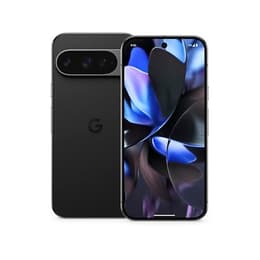
Google Pixel 9 Pro
Google Pixel 9 Pro
Starting at

Refurbished price:476.00

Versus €1,099.00 new

See options
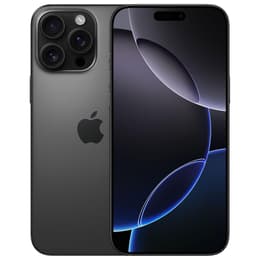
iPhone 16 Pro Max
iPhone 16 Pro Max
Starting at

Refurbished price:796.00

Versus €1,489.00 new

See options

Ratings

The Google Pixel 9 Pro, released in late 2024, and the iPhone 16 Pro Max, also launched in late 2024, represent the pinnacle of their respective operating systems, Android and iOS. While both devices offer advanced smartphone experiences, they cater to slightly different user priorities through their distinct approaches to camera technology, software integration, and overall design. This comparison will explore the practical differences between these two flagship smartphones, helping consumers understand which device might better suit their daily needs.

Scores

Durability

When considering the long-term usability of a smartphone, software support and physical resilience are key factors. Both the Google Pixel 9 Pro and the iPhone 16 Pro Max are designed with longevity in mind, though their ecosystems approach this differently.

  • Software Longevity: The Google Pixel 9 Pro is committed to receiving seven years of software updates, ensuring it remains current with the latest Android features and security patches until Android 22. Similarly, the iPhone 16 Pro Max is expected to receive iOS updates until approximately 2031, offering a comparable seven-year support window from its release.
  • Physical Durability: The iPhone 16 Pro Max features a titanium frame and the latest generation Ceramic Shield front cover, contributing to its resistance against drops and scratches. The Pixel 9 Pro incorporates polished edges and a soft matte feel, suggesting a focus on both aesthetics and comfortable handling.
  • Practical Lifespan: Both devices are built with high-quality components, suggesting a robust practical lifespan. Users can expect both phones to perform reliably for several years, with software support being a primary driver of their extended usability.

Year of Release

2024

2024

Compatible with latest Update

Yes

Yes

Foldable

No

No

Performance

The performance of a smartphone is crucial for handling demanding applications, multitasking, and ensuring a fluid user experience. Both the Google Pixel 9 Pro and the iPhone 16 Pro Max are equipped with advanced internal components designed for high efficiency and responsiveness.

  • Processing Power: The iPhone 16 Pro Max is powered by the A18 Pro chip, which is built on a 3nm process, contributing to its efficiency and capability in handling complex tasks and graphics-intensive applications. The Google Pixel 9 Pro features the Tensor G4 processor, which is optimized for on-device artificial intelligence and machine learning tasks, enhancing features like real-time language processing and advanced computational photography.
  • Multitasking and Responsiveness: The Pixel 9 Pro comes with 16GB of RAM, which allows for extensive multitasking and smooth transitions between numerous open applications. The iPhone 16 Pro Max includes 8GB of RAM, which, combined with iOS's optimized memory management, provides a highly responsive and efficient user experience.
  • Storage Options: Both devices offer a range of storage configurations to suit different user needs. The Pixel 9 Pro is available with 128GB, 256GB, 512GB, and 1TB options. The iPhone 16 Pro Max starts at 256GB and goes up to 512GB and 1TB, with a potential 2TB option.

Memory (GB)

16 GB

8 GB

Screen quality

The display is a primary interface for smartphone interaction, and both the Google Pixel 9 Pro and the iPhone 16 Pro Max offer high-quality visual experiences with distinct characteristics.

  • Display Technology and Clarity: The iPhone 16 Pro Max features a 6.9-inch Super Retina XDR OLED display with a resolution of 2868x1320 pixels, resulting in a pixel density of 460 ppi. This display utilizes M14 organic material, which contributes to higher brightness and an extended lifespan. The Google Pixel 9 Pro comes with a 6.3-inch OLED display, offering a QHD+ resolution and a 120Hz refresh rate, providing sharp images and smooth scrolling.
  • Brightness and Outdoor Visibility: Both devices are expected to offer excellent brightness levels for comfortable viewing in various lighting conditions, including bright outdoor environments. The iPhone 16 Pro Max's M14 organic material is specifically noted for enhancing brightness.
  • Refresh Rate and Smoothness: Both the Pixel 9 Pro and the iPhone 16 Pro Max feature a 120Hz refresh rate, ensuring fluid animations, responsive touch interactions, and a smooth visual experience, particularly noticeable during scrolling and gaming. The iPhone 16 Pro Max also includes ProMotion technology, allowing for adaptive refresh rates.

Resolution

1280 x 2856

1320 x 2868

Screen type

LTPO OLED

LTPO Super Retina XDR OLED

Audiovisual

Camera capabilities are a significant differentiator for modern smartphones, and both the Google Pixel 9 Pro and the iPhone 16 Pro Max are equipped with advanced systems designed to capture high-quality photos and videos.

  • Rear Camera Systems: The Google Pixel 9 Pro features a triple-camera setup, including a 50MP main sensor, a 48MP ultra-wide lens, and a 48MP telephoto lens with 5x optical zoom. The iPhone 16 Pro Max also has a triple-camera system, comprising a 48MP main camera with a larger sensor, a 48MP ultra-wide camera, and a 12MP telephoto lens with 5x optical zoom, utilizing a tetraprism design.
  • Photography and Video Features: The Pixel 9 Pro offers features like Super Res Zoom (up to 30x for photos), Video Boost for enhancing video quality up to 8K, Night Sight, Astrophotography, and Pro Controls for manual adjustments. The iPhone 16 Pro Max supports 4K video recording at 120 frames per second, including ProRes with external storage, and features a new Camera Control button for quick access to camera functions.
  • Front-Facing Cameras: For selfies and video calls, the Pixel 9 Pro is equipped with a 42MP front camera. The iPhone 16 Pro Max features a 12MP front-facing camera.

Main camera

50 megapixels

48 megapixels

Front camera

42 megapixels

12 megapixels

Miscellaneous

Beyond core specifications, several practical elements contribute to the overall user experience and daily utility of a smartphone. Both the Google Pixel 9 Pro and the iPhone 16 Pro Max incorporate various features to enhance connectivity, security, and handling.

  • Connectivity and Ports: Both devices support the latest Wi-Fi 7 standard for faster wireless internet. The iPhone 16 Pro Max includes a USB-C port with data transfer speeds up to 10Gb/s and supports Dual eSIM technology, removing the need for physical SIM cards.
  • Security and Biometrics: The iPhone 16 Pro Max relies on Face ID for secure facial recognition. The Pixel 9 Pro is expected to offer advanced biometric security, likely including an in-display fingerprint sensor and facial recognition.
  • Design and Handling: The iPhone 16 Pro Max has dimensions of 163mm in height, 77.6mm in width, and 8.25mm in depth, weighing 227 grams. It features a titanium design with a textured matte glass back. The Pixel 9 Pro, being a slightly smaller Pro model, offers a more compact form factor with polished edges and a soft matte feel. The iPhone also introduces a new Camera Control button for quick access to camera functions.

Weight

199 g

227 g

Screen size (in)

6.3

6.9

Network

5G

5G

SIM card

Physical SIM + eSIM

Physical SIM + eSIM

Carrier compatibility

Unlocked

Unlocked

Connector

USB-C

USB-C (USB 3)

User sentiment for both the Google Pixel 9 Pro and the iPhone 16 Pro Max generally highlights their strengths within their respective ecosystems. Users often praise the Pixel series for its exceptional computational photography and deep integration of Google's artificial intelligence features, making tasks like photo editing and smart assistance seamless. The Pixel 9 Pro, with its Tensor G4 chip and Gemini AI integration, is particularly noted for its intelligent capabilities and advanced camera processing.

On the other hand, the iPhone 16 Pro Max is frequently lauded for its robust performance, consistent software experience, and strong ecosystem integration. Users appreciate the A18 Pro chip's raw power, the refined iOS 18, and the device's overall reliability and premium build quality. The enhanced camera system, particularly for video recording, and the extended software support are also common points of praise.

For users prioritizing cutting-edge AI features, advanced computational photography, and a highly customizable Android experience, the Google Pixel 9 Pro may be the more suitable choice. Its focus on intelligent software and a comprehensive camera suite makes it appealing to those who leverage AI for daily tasks and creative endeavors. Conversely, users who value a powerful and consistent performance, a highly integrated ecosystem, and a strong emphasis on video capabilities and long-term software updates will find the iPhone 16 Pro Max well-suited to their needs. Both devices offer a premium smartphone experience, and choosing between them often comes down to personal preference for either the Android or iOS ecosystem and their unique feature sets. Exploring quality-assured refurbished options for either model can also provide an eco-friendly alternative for consumers.


See all articles

Our recent comparisons