

Compare models

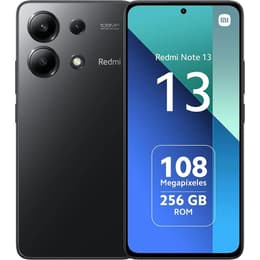
Google Pixel 8a Vs Xiaomi Redmi Note 13 4G

  • 1-year minimum warranty
  • Free delivery on all orders
  • Free 30-day returns
Google Pixel 8a
Starting at

Refurbished price:234.00

Versus €549.00 new

See options
Xiaomi Redmi Note 13 4G
Starting at

Refurbished price:200.00

Versus €340.00 new

See options

Differences at a glance

The Google Pixel 8a (2024) and the Xiaomi Redmi Note 13 4G (2024) represent two distinct approaches to the mid-range smartphone market, offering modern features tailored to different user preferences. While the Google Pixel 8a emphasizes long-term software backing and streamlined photographic capabilities within the Android ecosystem, the Xiaomi Redmi Note 13 4G focuses on everyday media consumption essentials and versatile connectivity features at a global scale. Both devices serve everyday communication needs, yet they diverge significantly in software philosophy, physical build, and internal hardware integration.

Available Models

Colour

Storage (GB)

Scores

Durability

Evaluating the lifespan and durability of these devices reveals distinct long-term support timelines and hardware reliability expectations.

  • Software Update Timeline: The Google Pixel 8a receives extended operating system updates and security patches for up to seven years from its launch, whereas the Xiaomi Redmi Note 13 4G features a shorter official software support window typical of regional mid-range devices.
  • Build and Materials: The Google Pixel 8a incorporates an aluminum frame and a matte composite back designed to withstand daily wear, while the Xiaomi Redmi Note 13 4G utilizes a plastic-centric construction with dust and splash resistance ratings suitable for basic environmental protection.
  • Repairability and Longevity: Both manufacturers provide structured repair pathways, though the Google Pixel 8a benefits from broader component availability in Western markets, supporting extended practical usage over several years.

Year of Release

2024

2024

Compatible with latest Update

Yes

Yes

OS

Android

Android

Foldable

No

No

Performance

Performance capabilities vary noticeably across these two models, impacting multitasking efficiency and day-to-day responsiveness.

  • Processor Efficiency: The Google Pixel 8a handles demanding applications, on-device artificial intelligence tasks, and casual gaming smoothly, while the Xiaomi Redmi Note 13 4G manages routine messaging, web browsing, and media streaming comfortably with standard processor architecture.
  • Memory and Storage: Both devices offer configurations sufficient for everyday multitasking, with the Google Pixel 8a utilizing optimized memory management to keep background applications active without noticeable stuttering.
  • Battery Behavior: The Xiaomi Redmi Note 13 4G frequently delivers solid endurance through a full day of moderate use due to its balanced power draw, while the Google Pixel 8a manages daily energy consumption efficiently despite its more compact physical footprint.

Screen quality

Display characteristics shape the visual experience for media viewing, reading, and outdoor visibility.

  • Display Technology: Both models utilize vibrant OLED panels that deliver deep contrast levels and rich colors, though the Xiaomi Redmi Note 13 4G features a larger physical screen size suited for immersive video playback.
  • Refresh Rate and Smoothness: The Xiaomi Redmi Note 13 4G and Google Pixel 8a both support elevated refresh rates, ensuring smooth scrolling through web pages and fluid user interface animations.
  • Outdoor Brightness: Each device incorporates high peak brightness modes to maintain legibility under direct sunlight, though fine adjustments vary during automated outdoor usage.

Resolution

1080 x 2400

1080 x 2400

Screen type

OLED

AMOLED

Audiovisual

Imaging hardware and audio-visual outputs cater differently to photography enthusiasts and media consumers.

  • Camera Systems: The Google Pixel 8a relies on computational photography algorithms to process detailed everyday shots and effective low-light scenes, while the Xiaomi Redmi Note 13 4G offers a multi-lens setup featuring a high-resolution main sensor for bright daylight clarity.
  • Video and Audio Output: The Google Pixel 8a records steady video footage with robust stabilization features, whereas both devices provide functional stereo or single-speaker setups adequate for casual video calls and short media clips.
  • Microphone Clarity: Voice pick-up quality remains clear for phone conversations and voice notes on both models, aided by background noise suppression software built into the respective operating systems.

Main camera

64 megapixels

108 megapixels

Front camera

13 megapixels

16 megapixels

Miscellaneous

Practical physical attributes and connectivity standards determine daily convenience and hardware integration.

  • Connectivity and Ports: The Google Pixel 8a supports advanced 5G networks and modern Wi-Fi standards, while the Xiaomi Redmi Note 13 4G focuses primarily on 4G LTE connectivity alongside traditional additions like a 3.5mm headphone jack and an infrared blaster.
  • Security Sensors: Both devices feature biometric authentication options, utilizing under-display fingerprint sensors and facial recognition for quick device unlocking.
  • Handling and Dimensions: The Google Pixel 8a offers a compact, rounded form factor that fits comfortably in smaller pockets, whereas the Xiaomi Redmi Note 13 4G presents a larger, boxier footprint that accommodates its expansive display area.

Weight

188 g

175 g

Screen size (in)

6.1

6.67

Network

5G

4G

SIM card

Physical SIM + eSIM

Dual Physical SIM

Carrier compatibility

Unlocked

Unlocked

Connector

USB-C

USB-C

What the community thinks

Users prioritizing long-term software updates, streamlined photographic processing, and compact handling may find the Google Pixel 8a well-suited to their daily routines. Conversely, users who value a larger display for media consumption, expandable storage options, and traditional wired audio connections often lean toward the Xiaomi Redmi Note 13 4G. Choosing between these two models depends entirely on whether long-range software longevity or media-focused hardware features take precedence in daily usage.

For consumers seeking sustainable alternatives, choosing a quality-assured refurbished option from platforms like Back Market provides an eco-friendly path to acquiring either device while reducing electronic waste. Ultimately, weighing software support longevity against hardware preferences will guide an informed decision aligned with individual lifestyle requirements.