

Compare models
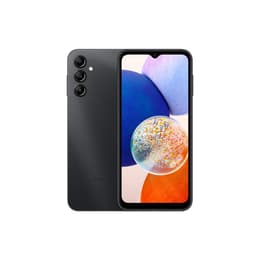
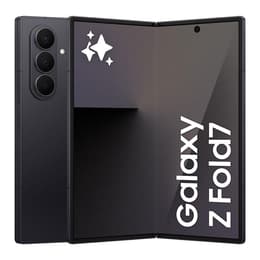
Galaxy A14 Vs Galaxy Z Fold7
- 1-year minimum warranty
- Free delivery on all orders
- Free 30-day returns
Differences at a glance
The Samsung Galaxy A14 (2023) and the Samsung Galaxy Z Fold7 (2025) represent two completely different approaches to mobile device engineering, spanning a standard slate smartphone format and an advanced book-style foldable design. While both run on the Android operating system with Samsung's interface, they target vastly different user requirements through distinct hardware configurations, form factors, and launch years.
Available Models
Colour
Storage (GB)
Scores
Durability
When examining longevity and structural upkeep, these two devices reflect distinct generation timelines and repair frameworks.
- Release timeline and software support: The Galaxy Z Fold7 benefits from a much more recent launch year and extended software update commitments, whereas the Galaxy A14 is further along its lifecycle.
- Expected practical lifespan: The Galaxy Z Fold7 incorporates high-end materials designed for long-term multi-year use, though foldable panels require mindful handling compared to traditional slate bodies.
- Repairability considerations: Standard slate phones like the Galaxy A14 generally feature simpler mechanical assemblies for standard component replacements than inner-folding mechanisms.
Year of Release
2023
2025
Compatible with latest Update
No
Yes
OS
Android
Android
Foldable
No
Yes
Performance
Daily operation and hardware response times differ significantly based on the internal architecture of each device.
- Multitasking and app handling: The Galaxy Z Fold7 handles demanding workloads, heavy gaming, and intensive multi-window use smoothly, while the Galaxy A14 manages everyday tasks like web browsing and messaging reliably.
- Memory and storage configurations: The Galaxy Z Fold7 provides expansive RAM capacities and storage tiers for intensive workflows, compared to the modest configurations found on the Galaxy A14.
- Battery behavior: The Galaxy A14 relies on a large single cell that easily stretches across a full day of standard use, whereas the Galaxy Z Fold7 balances dual screens and powerful internal components with optimized power management.
Screen quality
Visual output and display versatility mark one of the most prominent contrasts between these two models.
- Display technology: The Galaxy A14 features a traditional flat LCD panel with standard resolution, while the Galaxy Z Fold7 utilizes dual dynamic OLED displays offering deep blacks, vivid colors, and a foldable main canvas.
- Brightness and outdoor clarity: The Galaxy Z Fold7 reaches significantly higher peak brightness levels for clear visibility in direct sunlight than the entry-level panel on the Galaxy A14.
- Refresh rate and motion: The Galaxy Z Fold7 incorporates high refresh rate technology for smooth scrolling and animations, contrasting with the standard refresh rate on the base Galaxy A14.
Resolution
1080 x 2408
1968x2184
Audiovisual
Media capture and audio-visual playback capabilities vary widely to accommodate different photography and consumption styles.
- Camera versatility: The Galaxy Z Fold7 offers a versatile multi-lens main array capable of high-resolution detail and optical zoom, whereas the Galaxy A14 covers essential snapshots with a basic multi-lens setup.
- Video and low-light performance: Advanced sensor hardware on the Galaxy Z Fold7 captures sharper details in challenging lighting and supports higher-resolution video modes than the entry-level sensors on the Galaxy A14.
- Media consumption: Stereo speakers and expansive screen real estate on the Galaxy Z Fold7 provide an immersive environment for movies and audio, compared to the single-speaker, standard display setup of the Galaxy A14.
Miscellaneous
Physical dimensions, connectivity standards, and daily handling characteristics define the practical user experience.
- Form factor and handling: The Galaxy A14 is a conventional, heavier slate device built from durable plastics, whereas the Galaxy Z Fold7 utilizes a slim, folding frame that transforms from a pocketable phone into a tablet-sized format.
- Connectivity and ports: Both models include modern USB-C data ports and wireless connection standards, with the Galaxy Z Fold7 adding advanced cellular and Wi-Fi capabilities.
- Security features: Both devices incorporate biometric authentication options, utilizing side-mounted fingerprint sensors or facial recognition for quick device access.
Weight
201 g
215 g
Screen size (in)
6.6
8.0
Network
4G
5G
SIM card
Dual Physical SIM
Dual Physical SIM + eSIM
Carrier compatibility
Unlocked
Unlocked
What the community thinks
User feedback for the Galaxy A14 frequently highlights its straightforward reliability, straightforward menu navigation, and dependable battery duration for basic communication needs. At the same time, some users note limitations in processing speed and screen brightness during demanding tasks. Conversely, owners of the Galaxy Z Fold7 frequently praise its expansive multitasking workspace, sleek folding engineering, and high-tier processing capability, while noting that the unique display format requires careful handling and results in a higher initial device footprint.
Users prioritizing a simple, single-screen device for core daily communication may prefer the straightforward design of the Galaxy A14. Meanwhile, users prioritizing maximum screen real estate, advanced multitasking, and high-performance hardware will lean toward the Galaxy Z Fold7. Exploring a quality-assured refurbished option on Back Market provides an eco-friendly alternative for acquiring either device type while reducing electronic waste. Ultimately, selecting the right model depends on matching your daily workflow requirements to the physical format and capability level of each device.