

Google Pixel 8a Vs Xiaomi 12T Pro

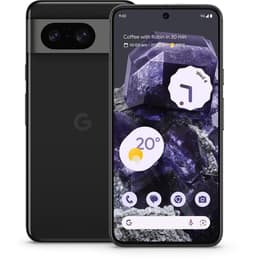
Google Pixel 8a
Google Pixel 8a
Starting at

Refurbished price:229.00

Versus €489.75 new

See options
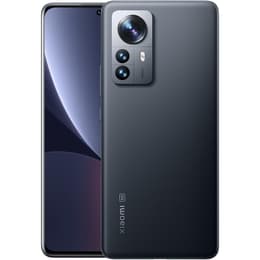
Xiaomi 12T Pro
Xiaomi 12T Pro
Starting at

Refurbished price:201.00

Versus €1,199.00 new

See options

Ratings

The Google Pixel 8A, released in May 2024, and the Xiaomi 12T Pro, launched in October 2022, are both smartphones offering distinct experiences within the Android ecosystem. While the Pixel 8A emphasizes a streamlined software experience and advanced computational photography, the Xiaomi 12T Pro focuses on high-resolution imaging and rapid charging capabilities. Both devices run on the Android operating system, but they feature different user interfaces and update policies.

Scores

Durability

The longevity of a smartphone is influenced by its release timeline, software support, and physical durability.

  • Release Timeline: The Google Pixel 8A is a newer device, released in May 2024, giving it an inherent advantage in terms of its lifecycle compared to the Xiaomi 12T Pro, which was launched in October 2022.
  • Software Longevity: Google promises an extensive seven years of OS, security, and Feature Drop updates for the Pixel 8A, ensuring it remains current and secure for a significantly longer period. The Xiaomi 12T Pro, on the other hand, typically receives three major Android OS updates and four years of security patches.
  • Durability Features: The Pixel 8A features IP67 dust and water resistance and Corning Gorilla Glass 3 for screen protection. The Xiaomi 12T Pro uses Gorilla Glass 5 for its front display but has a more basic IP53 rating for dust and splash resistance.

Year of Release

2024

2022

Compatible with latest Update

Yes

Yes

OS

Android

Android

Foldable

No

No

Performance

Performance in daily use is a key differentiator, impacting how smoothly applications run and how efficiently the device handles demanding tasks.

  • Processor Capabilities: The Pixel 8A is equipped with Google's Tensor G3 processor, designed to optimize AI-driven features and provide a responsive user experience for everyday tasks and moderate gaming. The Xiaomi 12T Pro utilizes a current-generation processor from its release era, the Snapdragon 8+ Gen 1, which delivers robust performance for intensive applications, multitasking, and high-fidelity gaming.
  • Storage and RAM: Both devices offer 8GB of RAM, with the Xiaomi 12T Pro also having a 12GB RAM option, which can benefit users who frequently switch between many applications. Both phones are available with 128GB and 256GB storage options.
  • Battery Behavior: The Pixel 8A has a 4492 mAh battery, which users report generally lasts a full day with moderate use, though heavy users might require more frequent charging. The Xiaomi 12T Pro features a larger 5000 mAh battery, often providing extended usage and supporting very rapid charging speeds.

Memory (GB)

8 GB

8 GB

Screen quality

The display is the primary interface for interaction, and differences in technology and specifications can significantly affect the viewing experience.

  • Display Technology and Size: The Pixel 8A features a 6.1-inch OLED display, known for deep blacks and vibrant colors. The Xiaomi 12T Pro offers a larger 6.67-inch AMOLED display, providing more screen real estate.
  • Resolution and Refresh Rate: Both devices offer a 120Hz refresh rate for smooth scrolling and animations. The Pixel 8A has a resolution of 1080x2400 pixels, while the Xiaomi 12T Pro has a resolution of 1220x2712 pixels, offering slightly higher clarity.
  • Brightness: The Pixel 8A boasts a peak brightness of 2000 nits, enhancing visibility in bright outdoor conditions. The Xiaomi 12T Pro has a peak brightness of around 900 nits.

Resolution

1080 x 2400

1220 x 2712

Screen type

OLED

AMOLED

Audiovisual

Camera capabilities are often a deciding factor for many users, with both devices offering distinct approaches to photography and videography.

  • Rear Camera System: The Pixel 8A features a dual-camera system with a 64 MP main sensor and a 13 MP ultrawide lens, excelling in computational photography and consistent image quality across various conditions. The Xiaomi 12T Pro highlights a 200 MP main camera, alongside an 8 MP ultrawide and a 2 MP macro lens, offering high-resolution capture.
  • Photography Performance: The Pixel 8A is praised for its reliable point-and-shoot photography, accurate color reproduction, and effective AI-powered editing features like Magic Eraser and Best Take. The Xiaomi 12T Pro's 200 MP sensor can capture highly detailed images, particularly in well-lit environments, though some users note that secondary cameras are less impressive.
  • Video Recording: Both phones are capable of recording 4K video. The Pixel 8A can record 4K at up to 60fps on its main camera, while the ultrawide is limited to Full HD. The Xiaomi 12T Pro supports 8K video recording at 24fps and 4K at 30/60fps.

Main camera

64 megapixels

200 megapixels

Front camera

13 megapixels

20 megapixels

Miscellaneous

Beyond core specifications, several practical features contribute to the overall user experience and device utility.

  • Connectivity and Ports: Both smartphones support 5G connectivity. The Pixel 8A includes Wi-Fi 6E and Bluetooth 5.3, with a USB-C 3.2 port. The Xiaomi 12T Pro supports Wi-Fi 6 and Bluetooth 5.2, featuring a USB-C 2.0 port.
  • Biometric Security: Both devices offer in-display fingerprint sensors for secure unlocking. The Pixel 8A also includes 2D face recognition.
  • Design and Handling: The Pixel 8A has a compact design with a matte finish and rounded corners, contributing to comfortable one-handed use. The Xiaomi 12T Pro has a larger form factor and a glass back with a plastic frame.

Weight

188 g

204 g

Screen size (in)

6.1

6.67

Network

5G

5G

SIM card

Physical SIM + eSIM

Dual Physical SIM

Carrier compatibility

Unlocked

Unlocked

Choosing between the Google Pixel 8A and the Xiaomi 12T Pro involves weighing priorities between software longevity and computational photography versus raw camera megapixels and rapid charging.

Users frequently praise the Pixel 8A for its exceptional camera performance, particularly its consistent image quality and advanced AI editing features, making it a strong contender for those who prioritize photography without needing a dedicated telephoto lens. Its extended software support is also a significant advantage, ensuring the device remains updated and secure for many years. Some users note that while its battery life is generally good for a day, heavy usage might require more frequent charging.

The Xiaomi 12T Pro is often lauded for its impressive 200 MP main camera, which can capture highly detailed photos, and its exceptionally fast charging capabilities, allowing for quick power-ups. Its larger display and powerful processor also appeal to users who consume a lot of media or engage in demanding tasks. However, some feedback points to its secondary cameras being less capable than the main sensor and a less extensive software update policy compared to the Pixel.

Therefore, users prioritizing a long-lasting software experience, a compact design, and a consistently excellent point-and-shoot camera with advanced AI features may find the Google Pixel 8A better suited to their needs. Conversely, individuals who value a larger display, a high-megapixel main camera for detailed shots, and extremely fast charging will likely lean towards the Xiaomi 12T Pro. Both devices offer compelling features, and considering a quality-assured refurbished option for either model can provide an eco-friendly alternative for consumers.


See all articles

Our recent comparisons