
iPhone

Compare models
Differences at a glance
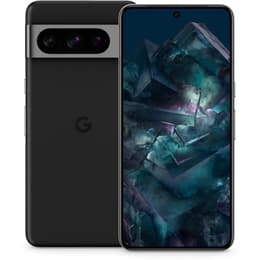
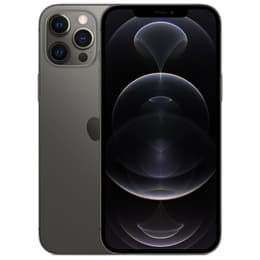
The Google Pixel 8 Pro, released in October 2023, and the iPhone 12 Pro Max, launched in November 2020, represent different generations of flagship smartphones from their respective manufacturers. While both devices offer premium experiences, they cater to distinct user preferences through their operating systems and core strengths. The Pixel 8 Pro operates on the Android platform, emphasizing advanced computational photography and a long software support commitment, whereas the iPhone 12 Pro Max runs on Apple's iOS, known for its integrated ecosystem and robust performance for its release era. The primary differentiators lie in their age, software philosophies, and camera capabilities.
Colour
Storage
The longevity of a smartphone is influenced by its build quality, software support, and ease of repair. These two devices, while both premium, offer different outlooks on their practical lifespan.
Year of Release
Compatible with latest Update
Foldable
Performance is crucial for a smooth user experience, encompassing everything from app responsiveness to battery endurance. Both devices deliver strong performance, though the newer Pixel 8 Pro benefits from more recent technological advancements.
The display is a primary interface for smartphone interaction, and both devices offer high-quality viewing experiences with distinct characteristics.
Resolution
Screen type
Camera performance is a significant factor for many users, and both the Pixel 8 Pro and iPhone 12 Pro Max offer advanced photographic and videographic capabilities, albeit with different strengths and generations of technology.
Main camera
Front camera
Beyond core features, several practical elements contribute to the overall user experience, from connectivity to physical design.
Weight
Screen size (in)
Network
SIM card
Carrier compatibility
Choosing between the Google Pixel 8 Pro and the iPhone 12 Pro Max involves weighing the benefits of a newer, Android-based device against a still-capable, slightly older iOS flagship. The Pixel 8 Pro is frequently praised for its exceptional camera capabilities, particularly its computational photography features and the promise of extensive software support for seven years. Users appreciate its bright, high refresh rate display and the integration of advanced AI features. However, some criticisms point to its video quality in very low light conditions, which can be noisy compared to some rivals, and its repairability score is lower than some other Pixel models.
The iPhone 12 Pro Max, while older, is still lauded for its robust performance, premium build quality, and the seamless experience within the Apple ecosystem. Its camera system was highly regarded at its release, offering strong photography and excellent 4K Dolby Vision HDR video recording. Common concerns for this model include its 60Hz display, which feels less fluid than modern high refresh rate screens, and its proprietary Lightning port, which is less universal than USB-C. Additionally, its software update cycle is nearing its end compared to newer devices.
Users prioritizing the latest camera technology, long-term software longevity, and the flexibility of the Android operating system will find the Google Pixel 8 Pro well-suited to their needs. Conversely, individuals who prefer the established iOS ecosystem, a device with a proven track record of performance, and a premium design may still find the iPhone 12 Pro Max to be a compelling option, especially as a quality-assured refurbished alternative. The decision ultimately depends on whether a user values cutting-edge features and extended support or a mature, well-integrated platform.