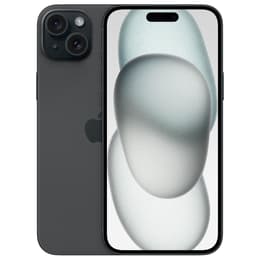

Google Pixel 7A Vs iPhone 15 Plus

Google Pixel 7A
Google Pixel 7A
Starting at

Refurbished price:172.00

Versus €649.99 new

See options
iPhone 15 Plus
iPhone 15 Plus
Starting at

Refurbished price:421.00

Versus €979.00 new

See options

Ratings

The Google Pixel 7A (released May 2023) and the iPhone 15 Plus (released September 2023) are both modern smartphones offering distinct user experiences. While the Pixel 7A operates on the Android platform, emphasizing computational photography and a streamlined Google software experience, the iPhone 15 Plus runs on iOS, focusing on a larger display, robust performance, and a comprehensive Apple ecosystem. These devices cater to different preferences, primarily differing in their operating systems, screen dimensions, and camera philosophies.

Scores

Durability

The longevity of a smartphone is influenced by its build quality, software support, and repairability. Both devices offer a degree of durability, but their support timelines and physical characteristics present some differences.

  • Software Support: The Google Pixel 7A is expected to receive major Android operating system updates until at least May 2026, with security updates extending until May 2028. The iPhone 15 Plus, being an Apple device, typically receives major iOS updates for approximately five to seven years from its release, with security updates often continuing for an extended period beyond that, potentially until around 2035.
  • Physical Durability: The Pixel 7A features a Corning Gorilla Glass 3 front and an IP67 rating for dust and water resistance, meaning it can withstand immersion in up to 1 meter of water for 30 minutes. The iPhone 15 Plus incorporates Ceramic Shield on its front, a color-infused glass back, and an aluminum frame, along with an IP68 rating, allowing it to be submerged in up to 6 meters of water for 30 minutes.
  • Repairability: While specific repairability scores can vary, both manufacturers have made efforts to improve the ease of repair for their devices over time. Users considering a quality-assured refurbished option for either model can benefit from devices that have undergone thorough inspection and restoration processes.

Year of Release

2023

2023

Compatible with latest Update

Yes

Yes

OS

Android

iOS

Foldable

No

No

Performance

Performance in a smartphone is crucial for daily tasks, from navigating apps to handling demanding games. Both the Pixel 7A and iPhone 15 Plus deliver capable performance, though with different underlying architectures and real-world implications.

  • System Responsiveness: The Pixel 7A handles everyday applications and multitasking smoothly, providing a fluid user experience. The iPhone 15 Plus offers brisk performance, ensuring demanding applications and graphics-intensive games run without significant slowdowns.
  • Multitasking and Storage: The Pixel 7A comes with 8GB of RAM and 128GB of internal storage, which is sufficient for most users' app and data needs. The iPhone 15 Plus features 6GB of RAM and offers storage options of 128GB, 256GB, or 512GB, providing more flexibility for users with extensive storage requirements.
  • Battery Behavior: The Pixel 7A is equipped with a 4385 mAh battery, and while it can last a full day with moderate usage, heavy users might find themselves needing a mid-day recharge. The iPhone 15 Plus, with a 4383 mAh battery, is noted for its excellent battery longevity, often allowing for extended use, with some users reporting it can last up to two days with moderate usage.

Memory (GB)

8 GB

6 GB

Screen quality

The display is a primary interface for smartphone interaction, and both devices offer vibrant viewing experiences with distinct characteristics.

  • Display Technology and Size: The Pixel 7A features a 6.1-inch OLED display, providing deep blacks and vibrant colors in a more compact form factor. The iPhone 15 Plus boasts a larger 6.7-inch Super Retina XDR OLED display, offering an expansive viewing area.
  • Resolution and Clarity: The Pixel 7A has a 1080 x 2400 pixel resolution, resulting in sharp images and text. The iPhone 15 Plus offers a 1290 x 2796 pixel resolution at 460 pixels per inch, delivering exceptional clarity and detail.
  • Refresh Rate and Brightness: The Pixel 7A supports a 90Hz refresh rate, contributing to smoother scrolling and a more responsive feel. The iPhone 15 Plus has a standard 60Hz refresh rate but compensates with impressive brightness levels, reaching up to 2000 nits peak brightness for outdoor visibility. The iPhone 15 Plus also integrates the Dynamic Island, an interactive area around the front camera that displays alerts and background activities.

Resolution

1080 x 2400

1290 x 2796

Screen type

OLED

Super Retina XDR OLED

Audiovisual

Camera capabilities are a significant factor for many smartphone users, and both the Pixel 7A and iPhone 15 Plus offer advanced systems for capturing photos and videos.

  • Rear Camera System: The Pixel 7A features a dual-camera setup with a 64MP main sensor and a 13MP ultrawide lens, known for its computational photography that produces excellent photo quality and color accuracy, even in challenging conditions. The iPhone 15 Plus also has a dual-camera system, comprising a 48MP main sensor and a 12MP ultrawide lens. Its main camera can achieve an effective 2x optical zoom by cropping the high-resolution sensor, and it excels in capturing vibrant colors and detailed images, with improved video stabilization.
  • Front Camera and Video: Both devices include capable front-facing cameras; the Pixel 7A has a 13MP sensor, while the iPhone 15 Plus features a 12MP sensor. Both are capable of recording 4K video. The iPhone 15 Plus also offers Cinematic mode for video recording, which provides a depth effect with automatic focus changes.
  • Audio Experience: The iPhone 15 Plus provides a robust media consumption experience with stereo speakers. Some users have noted that the Pixel 7A's speakers can be weaker in certain environments.

Main camera

64 megapixels

48 megapixels

Front camera

13 megapixels

12 megapixels

Miscellaneous

Beyond core features, several practical elements contribute to the overall user experience and daily usability of a smartphone.

  • Connectivity and Ports: Both devices support 5G connectivity and Bluetooth 5.3. The Pixel 7A includes Wi-Fi 6E, offering access to the 6GHz band for potentially faster and less congested wireless connections. The iPhone 15 Plus supports Wi-Fi 6. Both models have transitioned to a USB-C port for charging and data transfer.
  • Biometric Security: The Pixel 7A offers both an under-display fingerprint sensor and face unlock for secure access. The iPhone 15 Plus relies on Face ID, Apple's facial recognition system.
  • Design and Handling: The Pixel 7A weighs 193.5 grams and has a thickness of 9mm, featuring an aluminum frame and a plastic back. The iPhone 15 Plus is slightly heavier at 201 grams and thinner at 7.8mm, with an aluminum frame and a color-infused glass back. The larger screen size of the iPhone 15 Plus means it has a larger overall footprint compared to the Pixel 7A.

Weight

193 g

171 g

Screen size (in)

6.1

6.7

Network

5G

5G

SIM card

Physical SIM + eSIM

eSIM

Carrier compatibility

Unlocked

Unlocked

The Google Pixel 7A and iPhone 15 Plus each present a compelling package, tailored to different user priorities. The Pixel 7A is frequently praised for its exceptional camera quality, delivering impressive photos with Google's computational photography, and its clean, intuitive Android software experience. However, some users have noted mixed battery life, with heavy usage potentially requiring a mid-day charge, and some criticisms regarding speaker quality.

Conversely, the iPhone 15 Plus is widely lauded for its outstanding battery life, often extending beyond a single day of use, and its brisk performance that handles demanding applications with ease. Its large, vibrant display and the inclusion of the Dynamic Island are also significant advantages. Common criticisms include its 60Hz refresh rate, which is lower than some competitors, and the absence of a dedicated telephoto lens, a feature reserved for its Pro counterparts.

Users prioritizing a compact Android device with a strong emphasis on photography and a pure software experience may find the Pixel 7A well-suited to their needs. Those who value a larger screen, extended battery life, robust performance within the iOS ecosystem, and advanced video capabilities will likely lean toward the iPhone 15 Plus. Both devices offer a modern smartphone experience, and choosing between them often comes down to personal preference for operating system, screen size, and specific feature priorities. For those seeking a more sustainable choice, both models are available as quality-assured refurbished options, providing an eco-friendly alternative to purchasing new.

See all articles

Our recent comparisons






