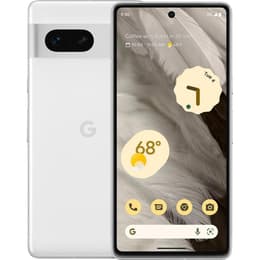
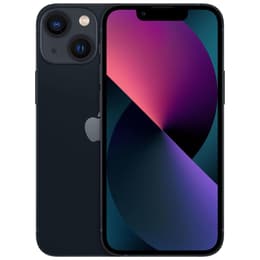


Google Pixel 7 Vs iPhone 13 mini

Google Pixel 7
Google Pixel 7
Starting at

Refurbished price:160.00

Versus €756.00 new

See options
iPhone 13 mini
iPhone 13 mini
Starting at

Refurbished price:228.00

Versus €829.00 new

See options

Ratings

The Google Pixel 7 (released October 2022) and the iPhone 13 Mini (released September 2021) are distinct smartphones offering different user experiences. The Pixel 7 runs on the Android operating system and features a larger display and a camera system known for its computational photography. In contrast, the iPhone 13 Mini operates on iOS, standing out for its compact form factor and integrated Apple ecosystem. These devices cater to users with varying preferences for phone size, operating system, and photographic priorities.

Scores

Durability

When considering the practical lifespan of these devices, both offer substantial software support, though with different timelines and approaches.

  • Release Timeline: The iPhone 13 Mini was released in September 2021, making it approximately one year older than the Google Pixel 7, which launched in October 2022.
  • OS Support Duration: Google has committed to providing five years of OS and security updates for the Pixel 7 series from its release date, meaning support is expected until at least October 2027. The iPhone 13 Mini, while older, is estimated to receive major iOS updates until at least 2028, with security updates potentially extending beyond that.
  • Practical Lifespan: Both devices are built with durable materials and are expected to offer several years of reliable use. The Pixel 7 features Gorilla Glass Victus on both the front and back, along with an aluminum frame. The iPhone 13 Mini utilizes Ceramic Shield on the front and a glass back, also with an aluminum frame. Both devices carry an IP68 rating for water and dust resistance.

Year of Release

2022

2021

Compatible with latest Update

Yes

Yes

OS

Android

iOS

Foldable

No

No

Performance

The performance of a smartphone is crucial for daily tasks, and both the Pixel 7 and iPhone 13 Mini deliver capable experiences, albeit with different underlying architectures.

  • Everyday Responsiveness: The Pixel 7 handles demanding applications and multitasking smoothly, providing a fluid user experience. The iPhone 13 Mini also offers a very responsive experience, capable of running current applications and games without significant slowdowns.
  • Storage and RAM: The Pixel 7 comes with 8GB of RAM and storage options of 128GB or 256GB. The iPhone 13 Mini features 4GB of RAM and offers more storage flexibility with options for 128GB, 256GB, or 512GB. For users who store a large volume of media or applications, the higher storage tiers of the iPhone 13 Mini might be beneficial.
  • Battery Behavior: The Pixel 7 is equipped with a 4355 mAh battery, which generally provides a full day of use for most users, even with moderate to heavy usage. The iPhone 13 Mini has a smaller 2438 mAh battery, and while it offers improved battery life compared to its predecessor, heavy users may find themselves needing to charge it more frequently throughout the day.

Memory (GB)

8 GB

4 GB

Screen quality

The display is a primary interface for any smartphone, and these two devices offer distinct visual experiences due to their size and technology.

  • Display Technology and Clarity: Both phones feature OLED displays, which are known for deep blacks and vibrant colors. The Pixel 7 has a 6.3-inch OLED screen with a resolution of 1080 x 2400 pixels. The iPhone 13 Mini has a more compact 5.4-inch Super Retina XDR OLED display with a resolution of 1080 x 2340 pixels. Both provide clear and sharp visuals for typical viewing distances.
  • Refresh Rate and Brightness: The Pixel 7 offers a 90Hz refresh rate, contributing to smoother scrolling and a more fluid visual experience. The iPhone 13 Mini features a standard 60Hz refresh rate. For brightness, the iPhone 13 Mini's display can reach higher peak brightness levels for HDR content, making it suitable for outdoor visibility. The Pixel 7's display is also bright and generally good for outdoor use, though some users have noted it can be challenging in direct sunlight.
  • Screen Size and Viewing Experience: The Pixel 7's larger 6.3-inch screen provides a more expansive canvas for media consumption, gaming, and productivity. The iPhone 13 Mini's 5.4-inch display is ideal for one-handed use and fits easily into smaller pockets, though some users may find it less suitable for extended video watching or detailed tasks.

Resolution

1080 x 2400

1080 x 2340

Screen type

AMOLED

Super Retina XDR OLED

Audiovisual

Both the Google Pixel 7 and iPhone 13 Mini offer strong camera capabilities, each with its own strengths in image processing and features.

  • Main Camera Performance: The Pixel 7 features a 50MP main camera and a 12MP ultrawide camera. Its main camera is highly regarded for capturing detailed and brightly exposed photos with excellent shadow detail, even outperforming some higher-priced competitors in certain conditions. The iPhone 13 Mini has a dual 12MP camera system, including a wide and an ultrawide lens. Its main wide camera features a larger sensor than its predecessor, allowing it to capture more light, resulting in improved low-light performance and reduced noise.
  • Low-Light and Video Quality: The Pixel 7 excels in low-light photography with its Night Sight mode, producing clear and vibrant images quickly. It also records video at up to 4K at 60 frames per second. The iPhone 13 Mini also offers strong low-light performance and records 4K video at up to 60 frames per second, with features like Cinematic Mode for video with a shallow depth of field.
  • Selfie Camera and Audio: The Pixel 7 includes a 10.8MP front camera that captures good images in various lighting conditions. The iPhone 13 Mini has a 12MP front camera. Both devices offer good microphone quality for calls and video recording, and stereo speakers for media consumption.

Main camera

50 megapixels

12 megapixels

Front camera

10.8 megapixels

12 megapixels

Miscellaneous

Beyond core features, several practical elements differentiate the user experience of these two smartphones.

  • Connectivity and Ports: Both devices support 5G networks, Wi-Fi 6e (Pixel 7) or Wi-Fi 6 (iPhone 13 Mini), and Bluetooth for wireless connectivity. The Pixel 7 uses a USB-C port for charging and data transfer. The iPhone 13 Mini uses Apple's proprietary Lightning connector. Neither device includes a traditional 3.5mm headphone jack.
  • Biometrics and Sensors: The Pixel 7 features an under-display fingerprint scanner and face recognition for secure unlocking. The iPhone 13 Mini relies on Face ID for biometric authentication. Both phones include a standard suite of sensors like accelerometers, gyroscopes, and ambient light sensors.
  • Physical Design and Handling: The Pixel 7 measures 155.6 x 73.2 x 8.7 mm and weighs 197g, offering a balanced feel in hand. The iPhone 13 Mini is significantly smaller and lighter at 131.5 x 64.2 x 7.7 mm and 141g, making it exceptionally easy for one-handed use and pocketability. The Pixel 7 has a distinctive camera bar design, while the iPhone 13 Mini maintains a classic flat-edged iPhone aesthetic.

Weight

197 g

140 g

Screen size (in)

6.3

5.4

Network

5G

5G

SIM card

Physical SIM + eSIM

Physical SIM + eSIM

Carrier compatibility

Unlocked

Unlocked

The Google Pixel 7 and iPhone 13 Mini cater to different user priorities, each excelling in its own right. Users often praise the Pixel 7 for its exceptional camera capabilities, particularly its computational photography features that deliver impressive photos in various conditions. Its clean Android experience and consistent software updates are also frequently highlighted as strong points. Some users, however, have noted that while its battery life is solid, it might not always match the endurance of some larger devices.

The iPhone 13 Mini is consistently lauded for its compact size, making it a preferred choice for those who value one-handed usability and easy pocketability. Its performance is robust, and the integration with the Apple ecosystem is a significant draw for many. Criticisms often revolve around its smaller screen size, which can make media consumption less immersive for some, and its battery life, while improved over its predecessor, may still require more frequent charging for heavy users.

Users prioritizing a larger screen, a camera focused on advanced image processing, and the Android ecosystem will find the Google Pixel 7 well-suited to their needs. Conversely, those who value a highly compact device, seamless integration with iOS, and a consistent performance in a small form factor may lean towards the iPhone 13 Mini. Both devices represent quality options, and considering a quality-assured refurbished option for either can be an eco-friendly alternative for making an informed choice.


See all articles

Our recent comparisons




