

Galaxy S23 Ultra Vs Xiaomi Redmi Note 11

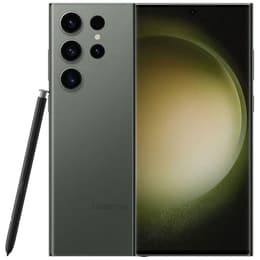
Galaxy S23 Ultra
Galaxy S23 Ultra
Starting at

Refurbished price:415.00

Versus €1,599.00 new

See options
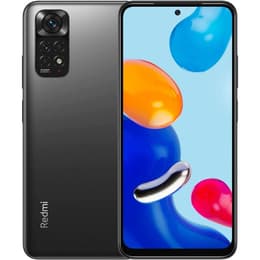
Xiaomi Redmi Note 11
Starting at

Refurbished price:108.00

Versus €249.99 new

See options

Ratings

The Samsung Galaxy S23 Ultra, released in February 2023, and the Xiaomi Redmi Note 11, launched in January 2022, represent distinct offerings within the smartphone market. While both operate on the Android platform, they cater to different user expectations through their hardware capabilities and feature sets. The Galaxy S23 Ultra emphasizes advanced imaging, a powerful processor, and a premium display, whereas the Redmi Note 11 focuses on delivering essential smartphone functions with a balanced user experience.

Scores

Durability

When considering the long-term usability of these devices, their release timelines and manufacturer support policies are key factors.

  • Release and Updates: The Galaxy S23 Ultra, being a more recent device from February 2023, benefits from a longer expected period of software and security updates from Samsung, typically extending for several years. The Redmi Note 11, released in January 2022, has a shorter update lifecycle, with Xiaomi generally providing two to three years of Android updates and three to four years of security updates, and some models in the Redmi Note 11 series have already reached their end-of-life for updates as of early 2025.
  • Physical Durability: The Galaxy S23 Ultra features Corning Gorilla Glass Victus 2 on both its front and back, along with an IP68 rating for dust and water resistance, indicating protection against submersion in up to 1.5 meters of freshwater for 30 minutes. The Redmi Note 11 includes Gorilla Glass 3 for screen protection and carries an IP53 rating, offering basic splash and dust resistance.
  • Repairability: The Galaxy S23 Ultra has shown improvements in repairability, with some assessments noting easier battery replacement due to pull tabs and neatly labeled internal components, achieving a repairability score of 9/10 in one test. The Redmi Note 11 Pro, a variant in the same series, has a repairability score of 8.75 out of 10, indicating a relatively straightforward disassembly process for components like the back plate, screen cable, and battery.

Year of Release

2023

2022

Compatible with latest Update

Yes

No

OS

Android

Android

Foldable

No

No

Performance

The performance of these smartphones is largely determined by their internal components and how they handle various tasks.

  • Processing Power: The Galaxy S23 Ultra is equipped with a current-generation processor, specifically optimized for Galaxy devices, which provides substantial power for demanding applications, intensive multitasking, and high-fidelity gaming. The Redmi Note 11 utilizes a mid-range processor, which is suitable for everyday tasks such as browsing, social media, and light gaming, offering a balance between performance and power efficiency.
  • Memory and Storage: The Galaxy S23 Ultra offers configurations with higher RAM options (8GB or 12GB) and larger internal storage capacities (up to 1TB), contributing to smoother multitasking and ample space for files and applications. The Redmi Note 11 comes with 4GB or 6GB of RAM and storage options up to 128GB, which is sufficient for typical user needs but may show limitations with numerous demanding apps running simultaneously.
  • Battery Life and Charging: Both devices feature a 5000 mAh battery, providing substantial power for extended use. The Galaxy S23 Ultra supports 45W fast charging, while the Redmi Note 11 supports 33W fast charging, allowing for relatively quick recharges.

Memory (GB)

8 GB

4 GB

Screen quality

The visual experience on a smartphone is heavily influenced by its display technology and specifications.

  • Display Technology and Size: The Galaxy S23 Ultra features a 6.8-inch Dynamic AMOLED 2X display with a QHD+ resolution (3088 x 1440 pixels), offering a highly detailed and immersive viewing experience. The Redmi Note 11 has a 6.43-inch AMOLED display with an FHD+ resolution (2400 x 1080 pixels), providing clear and vibrant visuals for everyday use.
  • Brightness and Clarity: The Galaxy S23 Ultra's display can reach a peak brightness of 1750 nits, with some reports suggesting up to 2200 nits, ensuring excellent visibility even in bright outdoor conditions. The Redmi Note 11 offers a peak brightness of up to 1000 nits, which is good for its category and provides comfortable viewing in most environments.
  • Refresh Rate: The Galaxy S23 Ultra boasts an adaptive refresh rate ranging from 1Hz to 120Hz, which contributes to very smooth scrolling and responsive interactions while also conserving battery life. The Redmi Note 11 features a 90Hz refresh rate, offering a smoother experience than standard 60Hz displays, particularly noticeable during scrolling and gaming.

Resolution

1440 x 3088

1080 x 2400

Screen type

Dynamic AMOLED 2X

AMOLED

Audiovisual

Camera capabilities are a significant differentiator, impacting the quality of photos and videos captured by each device.

  • Rear Camera System: The Galaxy S23 Ultra is equipped with a versatile quad-camera system, including a 200MP main sensor, a 12MP ultrawide lens, and two 10MP telephoto lenses offering 3x and 10x optical zoom. This setup allows for highly detailed images, wide-angle shots, and significant optical zoom capabilities. The Redmi Note 11 features a quad-camera system with a 50MP main sensor, an 8MP ultrawide lens, and additional 2MP macro and depth sensors, providing a capable setup for general photography.
  • Photography Performance: The Galaxy S23 Ultra excels in various lighting conditions, offering advanced low-light performance and detailed image capture across its multiple lenses. Its telephoto capabilities allow for clear zoomed-in shots. The Redmi Note 11 delivers good performance for everyday photography, with its 50MP main sensor capturing clear images in well-lit environments.
  • Video Recording: The Galaxy S23 Ultra supports video recording up to 8K resolution at 30 frames per second, along with advanced stabilization features. The Redmi Note 11 records video at 1080p, suitable for casual video capture.
  • Front Camera: For selfies and video calls, the Galaxy S23 Ultra has a 12MP front camera, while the Redmi Note 11 features a 13MP front camera.

Main camera

200 megapixels

50 megapixels

Front camera

12 megapixels

13 megapixels

Miscellaneous

Beyond the core features, several practical elements contribute to the overall user experience and device utility.

  • Connectivity: The Galaxy S23 Ultra supports 5G connectivity, Wi-Fi 6E, and Bluetooth 5.3, offering fast wireless speeds and efficient connections to accessories. The Redmi Note 11 supports 4G LTE, Wi-Fi 5, and Bluetooth 5.0, providing reliable connectivity for most daily tasks.
  • Ports and Sensors: The Galaxy S23 Ultra features a USB-C 3.2 port with support for video output and an ultrasonic under-display fingerprint sensor for secure unlocking. The Redmi Note 11 includes a USB-C 2.0 port, a 3.5mm headphone jack, and a side-mounted fingerprint sensor. The Redmi Note 11 also includes an IR blaster, allowing it to function as a universal remote.
  • Design and Handling: The Galaxy S23 Ultra has a larger form factor, weighing 233g, and integrates the S Pen stylus for enhanced productivity. The Redmi Note 11 is lighter at 179g and has a more compact design, making it easier to handle for some users.

Weight

234 g

179 g

Screen size (in)

6.8

6.43

Network

5G

4G

SIM card

Dual Physical SIM + eSIM

Dual Physical SIM

Carrier compatibility

Unlocked

Unlocked

User feedback for the Galaxy S23 Ultra frequently praises its exceptional camera system, particularly its zoom capabilities and low-light performance, as well as its powerful processing for demanding applications and the versatility offered by the integrated S Pen. Common criticisms sometimes point to its large size and weight, which can affect one-handed use. Users generally appreciate the vibrant and bright display, noting its quality for media consumption and productivity.

The Xiaomi Redmi Note 11 is often lauded by users for its bright AMOLED display and reliable battery life, especially considering its positioning. Its inclusion of a 3.5mm headphone jack and IR blaster are also frequently mentioned as practical advantages. Some users have expressed concerns regarding the device's software update longevity, as it has reached its end-of-life for updates in some regions. Performance for very intensive tasks is also noted as a limitation compared to higher-end devices.

Users prioritizing a top-tier camera experience, robust performance for heavy usage, and advanced features like an integrated stylus will find the Samsung Galaxy S23 Ultra well-suited to their needs. Conversely, users seeking a balanced smartphone for everyday tasks, with a good display and solid battery life, and who value traditional features like a headphone jack, may lean towards the Xiaomi Redmi Note 11. Both devices offer distinct advantages, and choosing between them depends on individual priorities for features and usage patterns. For those considering a more sustainable choice, both models are available as quality-assured refurbished options, extending their lifecycle and reducing environmental impact.


See all articles

Our recent comparisons