


Compare models

Google Pixel 7 Pro Vs iPhone 17 Pro Max

  • 1-year minimum warranty
  • Free delivery on all orders
  • Free 30-day returns
Google Pixel 7 Pro
Starting at

Refurbished price:€251.00

Versus €899.99 new

See options
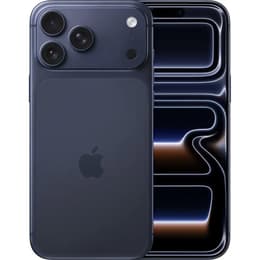
iPhone 17 Pro Max
Starting at

Refurbished price:€1,054.00

Versus €1,489.00 new

See options

Differences at a glance

The Google Pixel 7 Pro (2022) and the iPhone 17 Pro Max (2025) represent different eras and platforms in high-end smartphone design. While both devices serve users looking for large-screen flagship experiences, they diverge significantly in their operating systems, processing architectures, and release timelines. Choosing between them involves weighing Android flexibility against iOS integration alongside differences in hardware age.

Available Models

Colour

Storage

Scores

Durability

Device longevity and support schedules differ due to their release dates and manufacturer policies, shaping how long each phone will remain current.

  • Software support timelines: The iPhone 17 Pro Max benefits from a later release year, ensuring extended operating system updates compared to the older Google Pixel 7 Pro.
  • Repairability and build: Both models utilize robust glass and metal constructions, though physical repair availability varies widely by region and service network.
  • Expected lifespan: Daily hardware durability is comparable, but users prioritizing long-term software patches will find the newer Apple device retains update compatibility further into the future.

Year of Release

2022

2025

Compatible with latest Update

Yes

Yes

OS

Android

iOS

Foldable

No

No

Performance

Underneath the hood, these devices handle everyday workloads, multitasking, and demanding mobile applications through contrasting hardware configurations.

  • System responsiveness: Both devices load apps quickly and switch between multiple programs without noticeable stutter, though the iPhone 17 Pro Max features a more recent processing architecture that handles heavy graphical rendering with greater thermal efficiency.
  • Memory and storage: Ample memory capacity on both models ensures smooth background app management, while storage tiers range from standard baselines up to massive capacities on the Apple flagship.
  • Battery behavior: Large physical battery capacities on both handsets allow them to navigate typical full-day usage routines, though individual screen-on times vary based on user habits and network conditions.

Screen quality

Display characteristics on both phones deliver bright, high-resolution viewing experiences tailored for media consumption and daily navigation.

  • Display technology: Each device employs advanced organic light-emitting diode technology with high refresh rates, yielding deep contrast levels and smooth scrolling through web pages and documents.
  • Outdoor visibility: Peak brightness outputs on both screens allow content to remain legible under direct sunlight, though the newer iPhone 17 Pro Max achieves higher maximum luminance levels.
  • Viewing space: Generous screen sizes exceeding six inches provide expansive canvases for productivity tasks, reading, and video playback on both handsets.

Resolution

1440 x 3120

2868x1320

Screen type

LTPO AMOLED

Super Retina XDR

Audiovisual

Optics and media playback capabilities cater to mobile photography enthusiasts and everyday documentarians through distinct hardware and software pipelines.

  • Camera versatility: Multi-lens rear arrays on both smartphones include wide, ultra-wide, and telephoto capabilities, allowing detailed shots across various focal lengths.
  • Computational processing: The Google Pixel 7 Pro relies heavily on machine learning tools for photo cleanup and natural tone representation, whereas the iPhone 17 Pro Max emphasizes high-resolution sensor detail and cinematic video recording features.
  • Audio and media output: Stereo speaker setups on both models deliver clear sound for hands-free calls and casual video viewing, supported by sensitive multi-microphone arrays.

Main camera

50 megapixels

48 megapixels

Front camera

10.8 megapixels

18 megapixels

Miscellaneous

Practical daily usability elements, connectivity standards, and physical dimensions shape how each phone feels and connects in real-world scenarios.

  • Connectivity standards: Both models support modern high-speed cellular networks and local wireless protocols for reliable data transfers and streaming.
  • Physical handling: Large footprints and substantial weights make both devices suited for two-handed operation, with distinct button layouts and frame geometries.
  • Security and ports: Biometric authentication relies on facial recognition or fingerprint scanning depending on the model, while physical charging uses standardized universal connector types.

Weight

212 g

233 g

Screen size (in)

6.7

6.9

Network

5G

5G

SIM card

Physical SIM + eSIM

eSIM

Carrier compatibility

Unlocked

Unlocked

What the community thinks

User discussions across public communities often highlight the Google Pixel 7 Pro for its intelligent software features, natural photo tuning, and clean operating system layout. At the same time, frequent praise for the iPhone 17 Pro Max centers on its robust video recording quality, extended battery endurance, and long-term ecosystem synergy. Some users note that the older Google device can run warm during intensive tasks, while others mention that transitioning between mobile platforms requires familiarizing oneself with entirely different gesture navigation systems.

Users prioritizing deep customization, integrated smart assistance features, and traditional fingerprint security may prefer the Google Pixel 7 Pro. Conversely, users heavily invested in Apple services who prioritize maximum video recording fidelity and extended software update horizons will lean toward the iPhone 17 Pro Max. Selecting a quality-assured refurbished option through Back Market can also provide a sustainable choice for acquiring either device while reducing electronic waste. Ultimately, the right choice depends on personal software preferences and intended daily workflows rather than any universal superiority.








