

Compare models

Google Pixel 10 Pro Vs iPhone 17 Pro Max

  • 1-year minimum warranty
  • Free delivery on all orders
  • Free 30-day returns
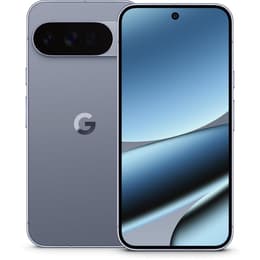
Google Pixel 10 Pro
Starting at

Refurbished price:€563.00

Versus €1,378.16 new

See options
iPhone 17 Pro Max
Starting at

Refurbished price:€1,023.00

Versus €1,489.00 new

See options

Differences at a glance

The Google Pixel 10 Pro (2025) and the iPhone 17 Pro Max (2025) represent flagship smartphone offerings from Google and Apple, respectively. While both devices deliver high-end mobile computing, they differ fundamentally through their distinct software ecosystems and hardware priorities.

Operating on Android and iOS, these smartphones cater to users looking for top-tier mobile capabilities wrapped in very different software and design philosophies.

Available Models

Colour

Storage

Scores

Durability

Both smartphones are built to remain functional for several years, though their update cycles and physical durability profiles vary slightly based on manufacturing choices.

  • Software longevity: Both manufacturers provide long-term operating system updates, ensuring security and feature continuity across an extended multi-year ownership window.
  • Repairability and build: Both models incorporate sturdy glass and metal configurations, with standardized support options available through official channels and quality-assured refurbished options for eco-conscious buyers.
  • Expected lifespan: Robust internal components and heavy-duty battery architectures ensure that both handsets handle sustained daily usage reliably over time.

Year of Release

2025

2025

Compatible with latest Update

Yes

Yes

OS

Android

iOS

Foldable

No

No

Performance

Performance capabilities on both devices handle intensive workloads, heavy multitasking, and demanding mobile applications without noticeable stuttering.

  • System responsiveness: Custom processors on both models ensure rapid app launch times, smooth workspace transitions, and efficient handling of background processes.
  • Multitasking management: Generous memory allocations allow dozens of browser tabs and heavy utility apps to remain active simultaneously without forcing reloads.
  • Battery behavior: Both devices manage daily energy draw efficiently, easily sustaining normal patterns of mixed usage through a full day before requiring a recharge.

Screen quality

Visual output on both flagships relies on advanced display technology designed to maximize clarity, color reproduction, and fluidity.

  • Display technology: Both models utilize vibrant OLED panels that deliver deep contrast levels, sharp text rendering, and accurate color profiles for media consumption.
  • Outdoor visibility: High peak luminance capabilities allow screen contents to remain completely legible even under direct, bright sunlight.
  • Refresh rate and smoothness: Adaptive refresh technology scales up to high frequencies during scrolling and gaming, dropping down during static tasks to conserve energy.

Resolution

1280x2856

2868x1320

Screen type

LTPO OLED

Super Retina XDR

Audiovisual

Photography and video recording suites on these devices offer extensive versatility across diverse lighting conditions and creative scenarios.

  • Multi-lens versatility: Comprehensive camera arrays featuring main, wide, and telephoto lenses capture sharp details and natural color depth across different focal lengths.
  • Low-light capture: Advanced sensor sensitivity and computational image stacking preserve clarity and minimize visual noise in dimly lit environments.
  • Audio and video output: High-definition video recording features robust stabilization, while multi-microphone arrays capture clear voice audio for calls and video production.

Front camera

42 megapixels

18 megapixels

Miscellaneous

Physical handling characteristics and connectivity standards shape how these devices integrate into everyday life and travel routines.

  • Connectivity standards: Comprehensive support for fast wireless networks, modern Wi-Fi protocols, and precise location tracking ensures reliable connection speeds anywhere.
  • Physical dimensions: Form factors balance large display workspaces with ergonomic handling, though weight distributions differ noticeably between the two builds.
  • Security and biometrics: Secure facial recognition and responsive fingerprint authentication provide rapid, convenient device unlocking options.

Weight

207 g

233 g

Screen size (in)

6.3

6.9

Network

5G

5G

SIM card

Physical SIM + eSIM

eSIM

Carrier compatibility

Unlocked

Unlocked

Connector

USB-C

USB-C

What the community thinks

Community discussions frequently highlight the Google Pixel 10 Pro for its streamlined software interface, versatile photo processing, and deeply integrated smart assistance features. At the same time, actual users often praise the iPhone 17 Pro Max for its extended media endurance, robust build stability, and seamless ecosystem connectivity.

Users prioritizing deep software customization and advanced automated assistant tools may prefer the Google Pixel 10 Pro, while users focused on extensive media playback endurance and a large workspace canvas often lean toward the iPhone 17 Pro Max. Buyers looking for a sustainable choice can also explore quality-assured refurbished options for both models, making high-end mobile technology more accessible without compromising on functional reliability.