
Compare models
Google Pixel 10 Vs iPhone 15
- 1-year minimum warranty
- Free delivery on all orders
- Free 30-day returns
Differences at a glance
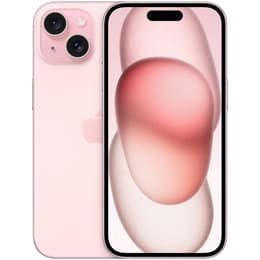
The Google Pixel 10 (2025) and the Apple iPhone 15 (2023) represent distinct approaches to modern smartphone design, operating systems, and ecosystem integration. While both devices serve daily communication and multimedia needs in a standard form factor, they differ significantly in their software philosophy, display refresh rates, and hardware capabilities. Choosing between them depends largely on user preference for either the Android or iOS operating environment.
Available Models
Colour
Storage
Scores
Durability
Both smartphones provide reliable long-term usability, though they differ in release timelines and software support windows.
- Software support windows: The Google Pixel 10 benefits from an extended software update commitment spanning multiple years, whereas the iPhone 15 follows a traditional multi-year iOS update path starting from its 2023 release.
- Repairability and durability: Both models feature robust water and dust resistance ratings alongside durable glass and metal frames, though independent repair options and component availability vary by manufacturer guidelines.
- Expected lifespan: Solid battery capacities and capable internal hardware ensure both handsets maintain steady performance for daily tasks over several years of ownership.
Year of Release
2025
2023
Compatible with latest Update
Yes
Yes
OS
Android
iOS
Foldable
No
No
Performance
Daily operation and multitasking handle smoothly across both platforms, utilizing different memory configurations and processor designs.
- Storage configurations: Both devices offer tiered storage choices starting from standard baseline capacities up to higher limits, though neither includes expandable card slots.
- Multitasking and app execution: Generous memory allocation on the Google Pixel 10 helps keep multiple background applications active, while the iPhone 15 utilizes optimized system memory management to maintain system fluidity.
- Battery behavior: Typical day-to-day use yields a full cycle of mixed tasks on both phones, though heavy usage patterns like extended gaming or navigation require recharging before the end of the evening.
Screen quality
Viewing experiences differ primarily through refresh rates, panel technologies, and peak outdoor visibility.
- Display fluidity: The Google Pixel 10 incorporates a high refresh rate panel for smoother scrolling through web pages and menus, while the iPhone 15 utilizes a standard refresh rate display.
- Brightness and outdoor clarity: Both handsets achieve high peak brightness metrics to ensure readability under direct sunlight, supported by adaptive tone adjustments.
- Panel technology: Vibrant organic light-emitting diode technology delivers deep black levels and high contrast ratios for media consumption on both devices.
Resolution
1080x2424
1179 x 2556
Screen type
OLED
Super Retina XDR OLED
Audiovisual
Photography and video capture rely on multi-lens hardware configurations backed by distinct image processing software.
- Rear camera systems: Both models feature primary wide lenses and secondary ultra-wide options, with certain variants adding dedicated optical zoom capabilities for distant subjects.
- Low-light performance: Advanced computational photography algorithms help both devices capture clear, detailed images in dim environments with minimal noise.
- Video recording: Smooth stabilization features and clear audio capture make both smartphones well-suited for recording home videos and casual clips.
Front camera
42 megapixels
12 megapixels
Miscellaneous
Physical dimensions and connectivity standards shape the everyday handling and accessory compatibility of each model.
- Physical dimensions: Both phones offer comfortable hand-feel with similar screen diagonals, though variations in weight and edge curvature influence one-handed reach.
- Charging ports: Universal universal serial bus type-C ports handle wired charging and data transfers on both devices.
- Biometric security: Secure authentication relies on facial recognition technology or fingerprint sensors embedded directly within or around the hardware interface.
Weight
204 g
171 g
Screen size (in)
6.3
6.1
Network
5G
5G
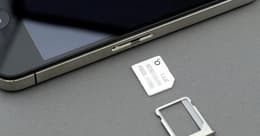
SIM card
Physical SIM + eSIM
eSIM
Carrier compatibility
Unlocked
Unlocked
Connector
USB-C
USB-C (USB 2)
What the community thinks
Users evaluating these models often praise the Google Pixel 10 for its smooth display refresh rate, robust artificial intelligence integrations, and flexible Android customization options. Conversely, owners frequently highlight the iPhone 15 for its intuitive ecosystem synchronization, reliable build quality, and streamlined user interface. Some common discussions note that transitioning between operating systems requires an adjustment period, and battery longevity under sustained heavy gaming can vary.
Users prioritizing high refresh rate scrolling, deep software customization, and advanced assistant features may prefer the Google Pixel 10. Meanwhile, users embedded within the Apple ecosystem who value straightforward operation and consistent long-term support will find the iPhone 15 well-suited to their needs. Exploring a quality-assured refurbished option through Back Market provides a sustainable choice for acquiring either device while reducing electronic waste. Ultimately, the right choice depends on individual comfort with operating systems and preferred daily workflows.