

Compare models
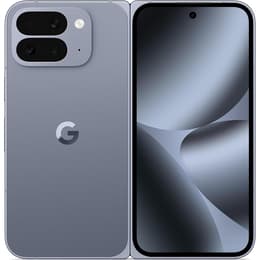
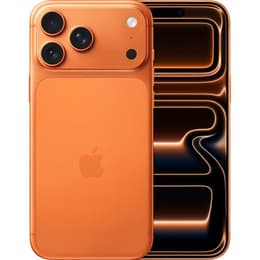
Google Pixel 10 Pro Fold Vs iPhone 17 Pro Max
- 1-year minimum warranty
- Free delivery on all orders
- Free 30-day returns
Differences at a glance
The Google Pixel 10 Pro Fold (2025) and the iPhone 17 Pro Max (2025) represent two distinct approaches to high-end mobile technology, featuring a foldable screen design versus a traditional rigid smartphone format. While both devices occupy the highest tier of their respective ecosystems, they cater to fundamentally different physical preferences and workflows. The Google Pixel 10 Pro Fold runs on the Android operating system, emphasizing customizable multitasking and a dual-screen configuration, whereas the iPhone 17 Pro Max operates on iOS, focusing on a streamlined ecosystem and an expansive single-panel display. Understanding how these structural and software differences influence daily use helps clarify which device suits specific user routines.
Available Models
Colour
Storage (GB)
Scores
Durability
When evaluating long-term usability, both devices provide robust support structures, though their physical formats introduce different maintenance considerations.
- Software support windows: Both manufacturers commit to multi-year operating system updates and security patches, ensuring both models remain current and secure for a standard upgrade cycle.
- Hardware design and physical wear: The iPhone 17 Pro Max utilizes a traditional rigid housing that simplifies long-term physical maintenance, while the Google Pixel 10 Pro Fold incorporates a complex hinge and flexible inner screen that require careful handling over years of daily folding and unfolding.
- Repairability and structural longevity: Traditional monolithic frames typically endure accidental drops with fewer structural vulnerabilities than folding mechanisms, though both options benefit from choosing a quality-assured refurbished option to extend their active lifecycle sustainably.
Year of Release
2025
2025
OS
Android
iOS
Foldable
Yes
No
Performance
Underneath their respective exteriors, both smartphones handle demanding computing tasks with high efficiency, though they manage memory and system resources differently.
- System responsiveness and multitasking: Both models transition smoothly between heavy applications, multi-window layouts, and graphics-heavy games without noticeable stutter or input delay.
- Storage and memory configurations: Generous memory capacities on both devices allow background applications to remain active for extended periods, reducing the need to reload apps frequently during intense daily use.
- Battery behavior during heavy use: The iPhone 17 Pro Max generally maintains predictable single-screen power consumption throughout a full day, whereas the Google Pixel 10 Pro Fold's dual-screen setup demands more energy management when utilizing the larger inner display extensively.
Screen quality
Display architecture represents the most visible differentiator between these two flagship devices, altering how media, text, and productivity apps are consumed.
- Display technology and versatility: The Google Pixel 10 Pro Fold features an outer screen for standard interactions and an expansive inner folding display that resembles a small tablet, while the iPhone 17 Pro Max relies on a single, continuous, highly bright glass panel.
- Outdoor visibility and clarity: Both screens reach high peak brightness levels that maintain legibility under direct sunlight, supported by accurate color reproduction and deep contrast ratios.
- Refresh rates and visual smoothness: High refresh rate capabilities on both devices ensure fluid scrolling through web pages, social media feeds, and user interfaces.
Resolution
2076x2152
2868x1320
Audiovisual
Imaging capabilities on both smartphones offer versatile photographic and videographic tools tailored to different shooting styles.
- Multi-lens versatility: Both models incorporate main, ultra-wide, and telephoto lenses that capture crisp details across various focal lengths, handling low-light environments effectively through advanced computational processing.
- Video recording and stabilization: The iPhone 17 Pro Max provides smooth stabilization and professional color profiles suited for detailed video production, while the Google Pixel 10 Pro Fold offers flexible framing angles enabled by its unique folding postures.
- Audio and media playback: Integrated stereo speakers on both devices deliver clear sound output for casual media viewing, complemented by sensitive microphone arrays for clear call quality and voice recording.
Miscellaneous
Physical dimensions, weight, and everyday connectivity features shape how comfortably each device integrates into pockets, bags, and hands.
- Handling and physical footprint: The iPhone 17 Pro Max is lighter and narrower for a traditional large-screen device, whereas the Google Pixel 10 Pro Fold is heavier and wider to accommodate its dual-screen folding chassis.
- Connectivity and ports: Both devices support modern global wireless networks, rapid data transfer standards, and Bluetooth connections, utilizing standard reversible charging ports.
- Authentication and sensors: Security is handled via biometric scanning methods, with the iPhone relying on facial recognition and the Pixel offering both facial recognition and fingerprint sensing.
Weight
258 g
233 g
Screen size (in)
8
6.9
Network
5G
5G
SIM card
Physical SIM + eSIM
eSIM
Carrier compatibility
Unlocked
Unlocked
Connector
USB-C
USB-C
What the community thinks
Users reviewing these two devices often praise the Google Pixel 10 Pro Fold for its transformative dual-screen workspace, which makes viewing documents, splitting apps, and multitasking feel seamless. Conversely, owners of the iPhone 17 Pro Max frequently highlight its reliable battery longevity, comfortable ergonomics for a large rigid device, and seamless integration with other software ecosystem accessories. Some users note that the folded thickness and heavier weight of the folding device require an adjustment period during one-handed use, while traditional smartphone users occasionally miss the expansive canvas offered by folding displays.
Users prioritizing expanded screen real estate, multi-window productivity, and flexible viewing angles will find the Google Pixel 10 Pro Fold well-suited to their daily routines. Meanwhile, users prioritizing a conventional smartphone shape, optimized single-screen power efficiency, and seamless ecosystem connectivity may lean toward the iPhone 17 Pro Max. Selecting either device as an eco-friendly alternative through a quality-assured refurbished option supports sustainable technology habits while delivering high-end performance. Ultimately, the choice depends entirely on whether a traditional large display or a versatile folding screen format better matches daily mobile workflows.