

Compare models

Galaxy Z Fold7 Vs Xiaomi Redmi Note 13 Pro+

  • 1-year minimum warranty
  • Free delivery on all orders
  • Free 30-day returns
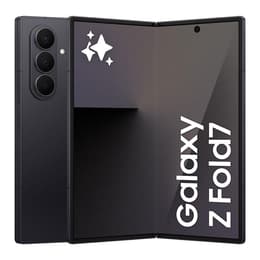
Galaxy Z Fold7
Starting at

Refurbished price:€907.00

Versus €2,236.37 new

See options
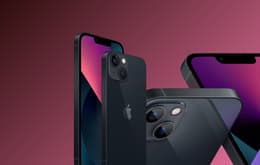
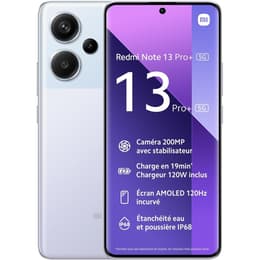
Xiaomi Redmi Note 13 Pro+
Starting at

Refurbished price:€229.00

Versus €499.00 new

See options

Differences at a glance

The Samsung Galaxy Z Fold7 (2025) and the Xiaomi Redmi Note 13 Pro+ (2023) represent two entirely distinct smartphone categories, pairing a modern book-style foldable device with a traditional candy-bar mid-range handset. While the Galaxy Z Fold7 introduces a flexible, expanding dual-screen workspace running Android, the Redmi Note 13 Pro+ focuses on delivering a reliable, traditional everyday smartphone experience. These models differ significantly in form factor, engineering complexity, and operating system ecosystems while catering to very different user expectations.

Available Models

Colour

Storage

Scores

Durability

Both devices offer distinct structural and software support timelines shaped by their respective release years and class tiers.

  • Software support duration: The Galaxy Z Fold7 benefits from an extended multi-year update commitment typical of modern flagship lines, whereas the Redmi Note 13 Pro+ provides a shorter window of major system updates.
  • Hardware resilience: The foldable architecture of the Samsung device requires careful handling of the flexible inner screen, while the traditional reinforced glass and frame design of the Xiaomi model offers conventional daily durability.
  • Practical lifespan: Users can expect extended software usability from both models, though hardware maintenance requirements differ between folding and traditional chassis designs.

Year of Release

2025

2023

Compatible with latest Update

Yes

Yes

OS

Android

Android

Foldable

Yes

No

Performance

Daily operation speeds and multitasking capabilities vary substantially due to the hardware class differences between these two phones.

  • Multitasking execution: The Galaxy Z Fold7 handles heavy multi-app splitting and demanding games effortlessly, whereas the Redmi Note 13 Pro+ manages everyday tasks, social media scrolling, and moderate gaming smoothly.
  • System responsiveness: App loading times and system animations run with immediate fluidity on both devices, though the flagship hardware offers additional headroom for intensive processing tasks.
  • Memory configurations: Both models provide ample storage tiers and high RAM capacities to keep background applications active without sudden reloads.

Screen quality

Visual delivery stands out as a major differentiator, contrasting a transforming folding canvas with a conventional high-resolution curved display.

  • Display technology: The Galaxy Z Fold7 deploys a large, tablet-sized folding OLED panel alongside a usable outer screen, while the Redmi Note 13 Pro+ features a rigid, vibrant curved OLED screen with sharp clarity.
  • Outdoor visibility: High peak brightness levels on both panels ensure content remains legible under direct sunlight conditions.
  • Refresh rate smoothness: Both devices support high refresh rates that deliver fluid scrolling through web pages, documents, and user interfaces.

Resolution

1968x2184

1220 x 2712

Audiovisual

Photography and media consumption setups cater to versatile creative framing versus reliable everyday point-and-shoot scenarios.

  • Camera versatility: The Galaxy Z Fold7 utilizes a flexible multi-lens array capable of creative angles and stable folded tripod shots, while the Redmi Note 13 Pro+ features a high-resolution main sensor focused on detailed everyday photography.
  • Video and audio output: Both models record sharp video clips with steady stabilization and provide clear stereo sound reproduction for media playback.
  • Call quality: Integrated microphones and earpieces deliver crisp voice clarity during phone calls and virtual meetings.

Miscellaneous

Physical handling, connectivity standards, and daily utility features define the ergonomic differences between these handsets.

  • Connectivity and ports: Both devices support modern 5G networks, fast Wi-Fi standards, and Bluetooth pairing, utilizing reversible USB-C ports for charging and data transfer.
  • Security and biometrics: Quick unlocking is available through responsive fingerprint sensors and facial recognition features on both models.
  • Handling and weight: The Galaxy Z Fold7 folds into a pocketable yet dense slate that transforms into a wide tablet, while the Redmi Note 13 Pro+ maintains a lighter, standard single-screen profile.

Weight

215 g

204 g

Screen size (in)

8.0

6.67

Network

5G

5G

SIM card

Dual Physical SIM + eSIM

Dual Physical SIM

Carrier compatibility

Unlocked

Unlocked

Connector

USB-C (USB 3)

USB-C

What the community thinks

User feedback highlights distinct preferences for each device depending on daily workflow habits. Owners of the Galaxy Z Fold7 frequently praise the expansive inner screen for multitasking and productivity, though some note the heavier weight and specialized screen care requirements. Conversely, users of the Redmi Note 13 Pro+ appreciate its reliable daily battery performance and comfortable ergonomics, while noting limitations in advanced graphics-heavy processing compared to top-tier flagships.

Users prioritizing maximum screen estate and versatile multitasking will find the Galaxy Z Fold7 well-suited to their needs, while users prioritizing a straightforward, traditional smartphone format may lean toward the Redmi Note 13 Pro+. For those exploring sustainable hardware acquisition, choosing a quality-assured refurbished option provides an eco-friendly alternative that extends device lifecycles without compromising on performance standards.