

Compare models
Galaxy Z Fold7 Vs Xiaomi 13T
- 1-year minimum warranty
- Free delivery on all orders
- Free 30-day returns
Differences at a glance
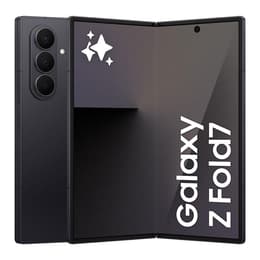
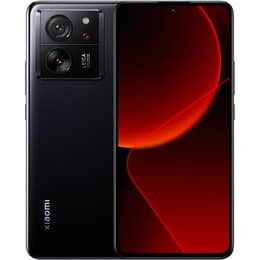
The Samsung Galaxy Z Fold7 (2025) and Xiaomi 13T (2023) represent two distinct approaches to modern mobile engineering, contrasting a foldable flagship display concept with a traditional, performance-focused bar phone design. While they occupy different form factors and release years, both cater to users seeking high-end functionality, expansive viewing areas, and reliable daily operation. The Galaxy Z Fold7 operates on Android with extensive multitasking additions tailored for its dual-screen interface, whereas the Xiaomi 13T runs Android with a streamlined interface focused on efficiency and media consumption.
Choosing between these devices depends largely on whether a versatile folding tablet-style workspace or a traditional, durable smartphone design best fits your daily routine.
Available Models
Colour
Storage
Scores
Durability
When examining longevity and software support, both devices offer distinct timelines based on their release dates and hardware durability standards.
- Software longevity: The Galaxy Z Fold7 benefits from an extended multi-year update commitment extending deep into the next decade, while the Xiaomi 13T provides a shorter remaining window of major operating system upgrades.
- Build durability: The Xiaomi 13T features a traditional glass or vegan leather back with solid water resistance, whereas the Galaxy Z Fold7 requires careful handling of its complex folding hinge mechanism despite modern protective glass enhancements.
- Practical lifespan: Users can expect several years of reliable daily service from either model, though the newer Galaxy Z Fold7 retains modern software features for a longer overall duration.
Year of Release
2025
2023
Compatible with latest Update
Yes
Yes
OS
Android
Android
Foldable
Yes
No
Performance
Daily operation and hardware efficiency dictate how smoothly each device handles multitasking, heavy applications, and everyday communication tasks.
- Multitasking capacity: The Galaxy Z Fold7 handles demanding workloads and simultaneous multi-window applications effortlessly with its high-tier processor and ample memory configurations, while the Xiaomi 13T manages everyday browsing and standard apps smoothly with its mid-to-high-tier processing setup.
- Battery behavior: The Xiaomi 13T delivers consistent battery endurance for a full day of mixed use with rapid recharging capabilities, whereas the Galaxy Z Fold7 features a larger total screen area that results in more varied battery consumption depending on whether the inner or outer display is active.
- Storage options: Both models provide generous internal storage tiers to accommodate large photo libraries, downloaded media, and offline documents without requiring external expansion cards.
Screen quality
Display technology is a primary differentiator, directly influencing how text, video, and interactive content appear during daily use.
- Display technology: The Galaxy Z Fold7 utilizes a flexible inner OLED panel that unfolds into a tablet-sized workspace alongside a standard cover display, while the Xiaomi 13T relies on a single, flat, vibrant OLED panel with a high refresh rate for smooth scrolling.
- Brightness and outdoor visibility: Both devices offer high peak brightness levels that ensure clear visibility under bright sunlight, making outdoor navigation and reading comfortable.
- Viewing experience: The Xiaomi 13T provides an uninterrupted traditional viewing area ideal for standard video formats, whereas the Galaxy Z Fold7 excels at split-screen multitasking and immersive media viewing on its expansive unfolded canvas.
Resolution
1968x2184
1220 x 2712
Audiovisual
Multimedia capabilities and camera hardware shape how each device captures memories, records video, and handles audio playback.
- Camera versatility: The Xiaomi 13T incorporates a dedicated multi-lens system tuned in collaboration with traditional optics partners for balanced everyday photography, while the Galaxy Z Fold7 offers flexible framing options that allow users to utilize the main cameras for high-quality self-portraits using the cover screen.
- Video and low-light performance: Both models capture sharp, stable video and manage low-light environments effectively through advanced image processing software.
- Audio output: Stereo speakers on both devices deliver clear sound for hands-free calls, casual media streaming, and gaming, though neither includes a traditional headphone jack.
Miscellaneous
Physical dimensions, connectivity standards, and daily handling characteristics determine how comfortably each device integrates into a traveler's or professional's pocket.
- Handling and dimensions: The Xiaomi 13T features a slim, conventional bar profile that fits easily into standard pockets and bags, whereas the Galaxy Z Fold7 is thicker when folded due to its hinge design but opens into a much wider tablet form factor.
- Connectivity: Both devices support modern 5G networks, fast Wi-Fi standards, and Bluetooth connectivity for seamless accessory pairing.
- Authentication sensors: Each model includes responsive biometric security features, utilizing side-mounted fingerprint sensors and secure facial recognition for quick unlocking.
Weight
215 g
193 g
Screen size (in)
8.0
6.67
Network
5G
5G
SIM card
Dual Physical SIM + eSIM
Dual Physical SIM
Carrier compatibility
Unlocked
Unlocked
Connector
USB-C (USB 3)
USB-C
What the community thinks
User discussions across online communities highlight distinct preferences for each device. Owners of the Xiaomi 13T frequently praise its reliable battery performance, smooth display refresh rate, and comfortable handling in a traditional form factor, though some note that its update window is shorter than newer releases. Conversely, Galaxy Z Fold7 users emphasize the productivity benefits of the expansive folding screen and advanced multitasking layout, while acknowledging that the folding mechanism requires mindful handling and adds weight to daily carry.
Users prioritizing a traditional, lightweight phone design with dependable daily battery life may prefer the Xiaomi 13T, while users seeking a versatile, tablet-sized folding display for productivity and media will find the Galaxy Z Fold7 well-suited to their needs. For those exploring sustainable purchasing habits, choosing a quality-assured refurbished option provides an eco-friendly alternative that extends the lifecycle of these advanced electronics without compromising on performance.









