

Compare models
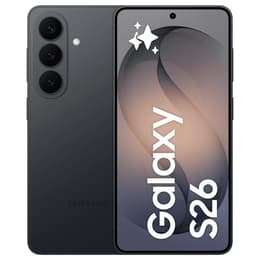
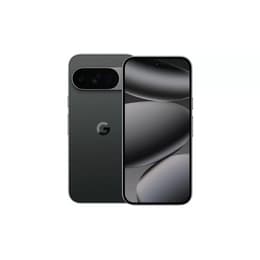
Galaxy S26 Vs Google Pixel 10 Pro
- 1-year minimum warranty
- Free delivery on all orders
- Free 30-day returns
Differences at a glance
The Samsung Galaxy S26 (2026) and the Google Pixel 10 Pro (2025) represent two distinct approaches to the modern flagship smartphone. While both devices offer high-end features and compact form factors, the Galaxy S26 runs on Samsung's customized interface built over Android, whereas the Pixel 10 Pro delivers Google's vision of clean software tightly integrated with advanced artificial intelligence capabilities.
Available Models
Colour
Storage
Scores
Durability
Both smartphones are built to remain functional and secure for many years, though their respective update timelines and hardware durability features differ slightly.
- Software Longevity: Both models receive extended multi-year commitments for operating system upgrades and security patches, ensuring they stay current well into the future.
- Build and Repairability: The Galaxy S26 utilizes robust frame materials and specialized glass protection, while the Pixel 10 Pro features durable Gorilla Glass panels and an aluminum frame designed to withstand everyday wear.
- Expected Lifespan: Thanks to powerful internal components and sustained software support, both devices maintain reliable performance over years of continuous daily use.
Year of Release
2026
2025
Compatible with latest Update
Yes
Yes
OS
Android
Android
Foldable
No
No
Performance
Handling daily apps, multitasking, and demanding games smoothly, these two phones utilize high-tier internal hardware configured to balance speed and efficiency.
- System Responsiveness: Both devices load heavy applications instantly and transition between multiple open tasks without noticeable stutter or lag.
- Battery Behavior: The Galaxy S26 manages power efficiently with a balanced capacity, whereas the Pixel 10 Pro incorporates a larger battery footprint to support intensive background processing and screen tasks throughout a full day.
- Multitasking Capacity: Generous memory allocations on both models allow users to switch rapidly between productivity software, media streaming, and web browsing seamlessly.
Screen quality
Visual immersion is a priority for both flagships, each delivering crisp details, deep contrast levels, and fluid motion handling.
- Display Technology: Both utilize advanced OLED panels that produce vivid colors, true blacks, and sharp text rendering for comfortable reading and media consumption.
- Outdoor Visibility: High peak brightness capabilities on both screens ensure that content remains legible and clear even under direct sunlight.
- Refresh Rate: Adaptive refresh rates scaling up to high frequencies allow for silky-smooth scrolling through menus, web pages, and supported games.
Resolution
1080 x 2340
1280x2856
Audiovisual
Equipped with versatile multi-lens rear arrays, both smartphones excel at capturing everyday moments, expansive landscapes, and detailed close-ups.
- Photography Performance: The Galaxy S26 delivers balanced, natural color science across its primary, ultra-wide, and telephoto sensors, while the Pixel 10 Pro leverages advanced computational photography to optimize lighting and detail in challenging conditions.
- Video and Audio: Both models record stable, high-resolution video with clear multi-microphone audio capture suitable for vlogging and home movies.
- Media Experience: Integrated stereo speakers on both devices provide balanced audio output for casual video playback and hands-free calls.
Front camera
12.0
42 megapixels
Miscellaneous
Practical usability details, physical dimensions, and connectivity options shape how each device fits into daily routines.
- Handling and Portability: The Galaxy S26 offers a lighter and slightly more compact chassis, whereas the Pixel 10 Pro provides a marginally broader frame that accommodates its larger screen layout.
- Connectivity: Both models support modern high-speed wireless networks, Bluetooth standards, and reliable global positioning systems.
- Security and Sensors: In-display fingerprint scanners and responsive facial recognition come standard on both devices for secure, rapid unlocking. Choosing a quality-assured refurbished option for either model offers a sustainable choice that reduces electronic waste without compromising on performance.
Weight
167 g
207 g
Screen size (in)
6.3
6.3
Network
5G
5G
SIM card
Dual Physical SIM + eSIM
Physical SIM + eSIM
Carrier compatibility
Unlocked
Unlocked
Connector
USB-C
USB-C
What the community thinks
User feedback from online communities highlights distinct preferences for each flagship. Owners of the Galaxy S26 frequently praise its lightweight handling, customizable interface, and reliable everyday efficiency. Meanwhile, Pixel 10 Pro users often emphasize appreciation for the clean software environment, intelligent assistant features, and exceptional computational photo processing. Common criticisms for both models generally center on moderate battery drain during extended high-intensity gaming sessions.
Users prioritizing a lighter physical footprint, flexible interface options, and traditional multi-lens photography may prefer the Galaxy S26. Conversely, users prioritizing clean software experiences, deep artificial intelligence integration, and advanced computational imaging will find the Pixel 10 Pro well-suited to their needs. Opting for a quality-assured refurbished device provides an eco-friendly alternative for acquiring either of these capable smartphones while supporting sustainable consumption habits. Ultimately, the choice depends entirely on individual software preferences and daily workflow priorities.









