
iPhone

Compare models
Differences at a glance
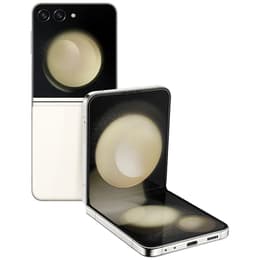
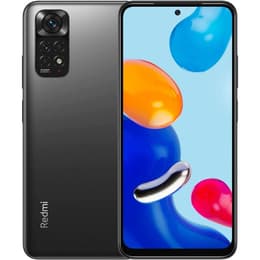
The Samsung Galaxy Z Flip5, released in August 2023, and the Xiaomi Redmi Note 11, launched in January 2022, represent distinct approaches to smartphone design and functionality. While the Z Flip5 offers a unique foldable form factor with flagship-level capabilities, the Redmi Note 11 provides a traditional smartphone experience focusing on core features. Both devices operate on the Android platform, though they differ in their software versions and update timelines.
Colour
Storage
The expected practical lifespan of a smartphone is influenced by its release timeline, software support, and physical construction. These two devices offer different propositions in terms of longevity.
Year of Release
Compatible with latest Update
OS
Foldable
Performance varies significantly between these two smartphones, reflecting their different design philosophies and target user experiences.
The display experience is a key differentiator, with both devices offering distinct panel technologies and form factors.
Resolution
Screen type
The camera systems of these two smartphones cater to different expectations, with the Z Flip5 focusing on versatility within its form factor and the Redmi Note 11 offering a multi-lens setup for general photography.
Main camera
Front camera
Beyond core performance and display, several practical elements distinguish these two devices in daily use.
Weight
Screen size (in)
Network
SIM card
Carrier compatibility
The Samsung Galaxy Z Flip5 and Xiaomi Redmi Note 11 cater to different user priorities, reflecting their distinct designs and feature sets. The Z Flip5 is often praised for its innovative foldable design, offering a compact form factor without compromising on a large screen experience when unfolded [16, 17, 27]. Users appreciate its powerful performance, making it suitable for demanding applications and multitasking [7, 12, 16]. The improved cover screen functionality is also a significant highlight, allowing for more interactions without opening the phone [9, 17, 37]. However, some users have noted that its battery life, while improved, might not satisfy the heaviest users, and the camera system, while capable, lacks a telephoto lens found in some traditional flagship devices [12, 13, 19, 28, 34]. Concerns about the long-term durability of the folding screen and hinge have also been raised by some users over time [19, 34, 36].
The Redmi Note 11, on the other hand, receives commendation for its excellent AMOLED display with a 90Hz refresh rate, providing a smooth and vibrant viewing experience [1, 2, 3, 14, 15]. Its strong battery life is a consistent praise point, often lasting well over a day for many users [1, 2, 4, 14]. The inclusion of a 3.5mm headphone jack and expandable storage are also appreciated features [2, 8, 15, 18]. Criticisms often revolve around its performance, which can be sluggish for intensive tasks or gaming, and the absence of 5G connectivity [1, 2, 18, 23, 31, 39, 40]. The camera system is generally considered average, particularly in low light and for video stabilization [1, 14, 15, 18, 21].
Users prioritizing a cutting-edge, compact design with top-tier performance and a versatile camera for everyday photography will find the Galaxy Z Flip5 well-suited to their needs. Its unique form factor and advanced processing power make it ideal for those who value portability and a premium experience. Conversely, users who prioritize extended battery life, a traditional smartphone design, and a vibrant display for media consumption, without the need for demanding performance or 5G, may find the Redmi Note 11 to be a practical choice. Both devices can be excellent options, and considering a quality-assured refurbished option can be an eco-friendly alternative for either model.










