
iPhone

Compare models
Differences at a glance
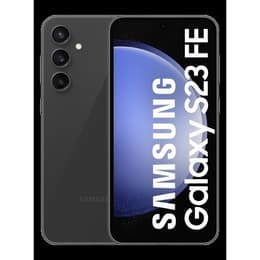
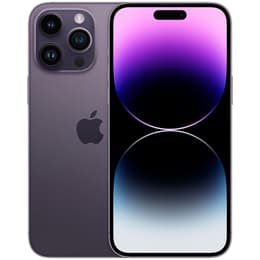
The Samsung Galaxy S23 FE, released in October 2023, and the iPhone 14 Pro Max, launched in September 2022, represent distinct approaches to high-end smartphone experiences. While both devices offer robust performance and advanced camera systems, they differ significantly in their operating systems and overall design philosophy. The Galaxy S23 FE runs on Android with Samsung's One UI, providing extensive customization, whereas the iPhone 14 Pro Max operates on Apple's iOS, known for its streamlined and integrated ecosystem. These core differences influence everything from user interface to app availability and long-term software support.
Colour
Storage
When considering the long-term usability of these devices, their release timelines and software support policies are key factors. The iPhone 14 Pro Max, released in September 2022, typically receives major iOS updates for approximately 5-7 years from its launch, with security patches extending even further. This suggests an expected software lifespan potentially until around 2034. [6, 7, 11, 26] The Galaxy S23 FE, launched in October 2023, benefits from Samsung's commitment to providing four generations of OS upgrades and five years of security updates for its FE series, offering a solid period of support. Both devices feature an IP68 rating for dust and water resistance, contributing to their physical resilience. [5, 8, 12, 46]
Year of Release
Compatible with latest Update
OS
Foldable
The performance of a smartphone is crucial for daily tasks, from browsing and social media to demanding applications and gaming. The iPhone 14 Pro Max is powered by a high-performance processor, enabling smooth multitasking, rapid app loading, and efficient handling of graphics-intensive games. [31, 33] Its system architecture is optimized for consistent responsiveness across the iOS ecosystem. The Galaxy S23 FE utilizes a powerful processor (either the Snapdragon 8 Gen 1 or Exynos 2200, depending on region), which delivers strong performance for most applications and gaming. [5, 28, 30] However, some users have noted instances of the device warming up during extended heavy use. [20, 32, 42]
The visual experience is a primary consideration for many users, and both devices offer high-quality displays with distinct characteristics. The iPhone 14 Pro Max features a 6.7-inch Super Retina XDR OLED display, known for its deep blacks, vibrant colors, and exceptional brightness, reaching up to 2000 nits for outdoor visibility. [1, 3, 15, 17, 18] It also includes ProMotion technology, offering an adaptive refresh rate up to 120Hz for smooth scrolling and animations. The Galaxy S23 FE sports a 6.4-inch Dynamic AMOLED 2X display with a 120Hz refresh rate and a peak brightness of 1450 nits, providing clear visuals and smooth interactions. [4, 5, 13, 30, 41]
Resolution
Screen type
For many, the camera system is a deciding factor, and both the Galaxy S23 FE and iPhone 14 Pro Max offer advanced photographic capabilities. The iPhone 14 Pro Max features a versatile triple-camera system, including a 48MP main sensor, a 12MP ultrawide, and a 12MP telephoto lens with 3x optical zoom. It excels in capturing detailed images with excellent dynamic range, strong low-light performance, and high-quality video recording up to 4K at 60fps. [3, 16, 18, 24, 35] The Galaxy S23 FE also comes with a triple-camera setup, comprising a 50MP main sensor, a 12MP ultrawide, and an 8MP telephoto lens with 3x optical zoom. [8, 22, 28, 45] It performs well in bright conditions, with its telephoto lens being a notable strength, and supports video recording up to 8K at 24fps. [2, 12, 21, 30]
Main camera
Front camera
Beyond core performance, several practical features contribute to the overall user experience. The iPhone 14 Pro Max features Apple's proprietary Lightning port, while the Galaxy S23 FE uses the more widely adopted USB Type-C port. [9, 46] Both devices support modern connectivity standards, including 5G for fast cellular data and advanced Wi-Fi protocols. The iPhone 14 Pro Max incorporates Face ID for secure biometric authentication and introduces the Dynamic Island, a dynamic area around the front camera that displays alerts and background activities. [1, 3] The Galaxy S23 FE uses an optical in-screen fingerprint sensor for unlocking and authentication. [5, 28, 46]
Weight
Screen size (in)
Network
SIM card
Carrier compatibility
User feedback for the iPhone 14 Pro Max frequently highlights its exceptional battery life, powerful performance, and high-quality camera system as major strengths. [19, 27, 31, 33, 34] Users also appreciate the fluidity of iOS and the integration within the Apple ecosystem. Some common criticisms include its significant weight and large size, which can impact one-handed use and pocketability. [19] For the Galaxy S23 FE, users often praise its vibrant display and capable camera, particularly the telephoto lens. [2, 13, 21] However, some users have expressed concerns regarding battery life and occasional thermal management issues during intensive tasks. [20, 32, 42]
Users prioritizing extended battery life, a highly optimized software experience, and top-tier video recording capabilities may find the iPhone 14 Pro Max well-suited to their needs. Its consistent performance and long-term software support make it a reliable choice for those seeking a premium device. Conversely, users who value a customizable Android experience, a strong telephoto camera, and a slightly lighter build might lean towards the Galaxy S23 FE. It offers a compelling package for everyday use and media consumption. Both devices are available as quality-assured refurbished options, providing an eco-friendly alternative for consumers looking to make informed and sustainable choices.