
Compare models

Galaxy Z Flip7 Vs iPhone 14 Pro

  • 1-year minimum warranty
  • Free delivery on all orders
  • Free 30-day returns
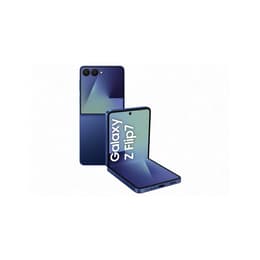
Galaxy Z Flip7
Starting at

Refurbished price:594.00

Versus €1,328.48 new

See options
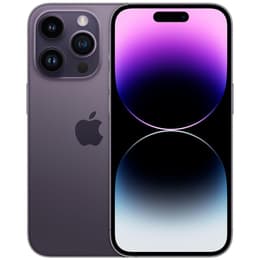
iPhone 14 Pro
Starting at

Refurbished price:474.00

Versus €1,339.00 new

See options

Differences at a glance

The Samsung Galaxy Z Flip7 (2025) and the Apple iPhone 14 Pro (2022) represent two very different approaches to modern smartphone design, contrasting a foldable clamshell form factor with a traditional slate layout. While the Galaxy Z Flip7 features an innovative folding screen and runs on Android, the iPhone 14 Pro utilizes a rigid stainless steel body powered by iOS. These structural differences define distinct everyday experiences for users.

Available Models

Colour

Storage (GB)

Scores

Durability

When evaluating structural longevity and software support, both devices handle multi-year ownership differently due to their release timelines and hardware designs.

  • Software Support Duration: The iPhone 14 Pro receives extended Apple software updates spanning several years from its release, whereas the Galaxy Z Flip7 benefits from a newer launch date and long-term Android system upgrades.
  • Hardware Durability: The iPhone 14 Pro relies on rigid glass and stainless steel to protect against daily wear, while the Galaxy Z Flip7 utilizes a flexible inner display requiring specialized care around the hinge mechanism.
  • Repairability Considerations: Traditional slate devices like the iPhone generally offer straightforward component replacement compared to folding screens, which require specialized handling for the flexible display layers.

Year of Release

2025

2022

Compatible with latest Update

Yes

Yes

OS

Android

iOS

Foldable

Yes

No

Performance

Underneath their exteriors, both models handle everyday tasks, heavy multitasking, and demanding apps efficiently while managing power differently.

  • App Loading and Multitasking: Both devices handle resource-intensive applications, web browsing, and switching between multiple open programs smoothly without noticeable stutter.
  • Battery Behavior: The iPhone 14 Pro manages power effectively for a full day of typical tasks, while the Galaxy Z Flip7 balances battery distribution across its main folding screen and outer display panel.
  • Storage and Memory: Both smartphones offer ample memory allocations to keep background processes active and provide generous storage tiers for local media and applications.

Screen quality

Visual output is a primary differentiator, as one device prioritizes a pocket-friendly folding footprint while the other focuses on a rigid, high-brightness traditional panel.

  • Display Technology: The iPhone 14 Pro features a rigid OLED panel with deep contrast levels, whereas the Galaxy Z Flip7 utilizes a folding dynamic display that expands into a larger viewing area when opened.
  • Outdoor Visibility: Both screens reach high peak brightness levels, ensuring that text and images remain legible under direct sunlight.
  • Refresh Rate and Smoothness: Both models support smooth high refresh rates, resulting in fluid scrolling through web pages and responsive touch feedback during navigation.

Resolution

1080x2520

1179 x 2556

Audiovisual

Imaging capabilities on both devices cater to everyday photography and video recording through distinct multi-lens hardware arrays.

  • Main and Secondary Lenses: Both models include high-resolution main sensors accompanied by ultra-wide options for capturing expansive landscapes or group shots.
  • Low-Light Photography: Image processing software on both devices brightens dark scenes and controls digital noise effectively during evening shooting conditions.
  • Video Recording: Both options deliver steady, high-resolution video output with reliable stabilization features for recording motion on the go.

Front camera

10 megapixels

12 megapixels

Miscellaneous

Physical dimensions, connectivity standards, and daily handling characteristics shape how each device fits into everyday routines.

  • Form Factor and Portability: The Galaxy Z Flip7 folds in half to take up less pocket space, while the iPhone 14 Pro maintains a standard, pocketable rectangular shape.
  • Connectivity and Ports: Both models support fast 5G cellular networks and modern wireless standards, though they utilize different physical charging ports characteristic of their respective manufacturers.

Weight

188 g

206 g

Screen size (in)

6.9

6.1

Network

5G

5G

SIM card

Physical SIM + eSIM

Physical SIM + eSIM

Carrier compatibility

Unlocked

Unlocked

Connector

USB-C

Lightning

What the community thinks

User discussions across community forums highlight distinct preferences for each device based on physical design and ecosystem loyalty. Users frequently praise the iPhone 14 Pro for its sturdy build quality, reliable battery longevity, and seamless integration with Apple services. At the same time, common criticisms point to its heavier weight in the hand and traditional unchanging slate format. Conversely, owners of the Galaxy Z Flip7 appreciate its compact folding footprint that fits easily into small pockets and the added utility of its larger outer cover screen. Criticisms for the folding model often center around the visible crease along the middle of the inner display and the extra care required when handling flexible screens.

Users prioritizing a compact, pocket-friendly device with an innovative folding display will find the Galaxy Z Flip7 well-suited to their needs, while users preferring a rigid traditional handset with long-term software support may lean toward the iPhone 14 Pro. Choosing between them depends entirely on whether a folding layout or a conventional slate design aligns better with daily habits. For those seeking an eco-friendly alternative, choosing a quality-assured refurbished option provides a sustainable way to acquire either device without compromising on performance.