


Compare models

Galaxy Z Flip5 Vs Xiaomi Redmi Note 13 4G

  • 1-year minimum warranty
  • Free delivery on all orders
  • Free 30-day returns
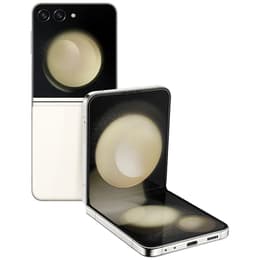
Galaxy Z Flip5
Starting at

Refurbished price:€341.00

Versus €1,340.00 new

See options
Xiaomi Redmi Note 13 4G
Starting at

Refurbished price:€188.00

Versus €299.00 new

See options

Differences at a glance

The Samsung Galaxy Z Flip5 (2023) and the Xiaomi Redmi Note 13 4G (2024) offer two distinct approaches to modern smartphone design, representing a pocket-friendly foldable flagship and a feature-focused conventional mid-range device. While both run on the Android operating system with custom manufacturer interfaces, they cater to very different physical form factors and user expectations. Choosing between them depends on whether you prioritize innovative pocketability or traditional utility.

Available Models

Colour

Storage

Scores

Durability

When evaluating structural longevity and software support, both devices handle updates differently based on their market positioning and release timeline.

  • Software Support Timeline: The Galaxy Z Flip5 benefits from an extensive multi-year Android upgrade path, whereas the Redmi Note 13 4G follows a more standard mid-range update cycle.
  • Build and Repairability: The foldable design of the Samsung requires specialized hinge care, while the conventional glass-and-plastic build of the Xiaomi is simpler to maintain but lacks advanced water resistance ratings.
  • Expected Lifespan: Users can anticipate several years of reliable daily operation from both models, provided the foldable screen on the Samsung is handled with standard care guidelines.

Year of Release

2023

2024

Compatible with latest Update

Yes

Yes

OS

Android

Android

Foldable

Yes

No

Performance

Day-to-day operation and energy management vary significantly between these two models due to their differing internal hardware configurations.

  • Storage and Multitasking: The Galaxy Z Flip5 offers higher-tier memory speeds and generous storage options, handling demanding applications and heavy multitasking smoothly. The Redmi Note 13 4G manages everyday tasks like messaging and web browsing reliably with its standard configuration, though heavy gaming may show limitations.
  • Battery Behavior: The Xiaomi features a larger battery capacity designed to comfortably clear a full day of mixed use. Conversely, the compact battery on the Samsung requires more frequent charging under heavy screen-on usage due to its powerful internal components.
  • System Responsiveness: High-end processing architecture ensures the Samsung maintains instant app switching, while the Xiaomi provides dependable, steady performance for standard consumer routines.

Screen quality

Visual output is a primary differentiator, as one device showcases flexible display technology while the other utilizes a traditional large-format panel.

  • Display Technology: The Galaxy Z Flip5 uses a folding organic light-emitting panel paired with a functional outer cover screen for quick notifications. The Redmi Note 13 4G features a vibrant flat organic light-emitting panel with high peak brightness for clear outdoor visibility.
  • Refresh Rate and Smoothness: Both devices support high refresh rates, ensuring smooth scrolling through web pages, social media feeds, and system menus.
  • Viewing Area: The Xiaomi offers a traditional, uninterrupted widescreen viewing experience, whereas the Samsung provides a taller folding aspect ratio with a subtle crease down the middle of the main screen.

Resolution

1080 x 2640

1080 x 2400

Screen type

Foldable Dynamic AMOLED 2X

AMOLED

Audiovisual

Multimedia capture and audio output handle everyday memories and media consumption through contrasting hardware setups.

  • Camera Capabilities: The Samsung relies on optimized dual rear lenses that excel in processing clarity and low-light balance. The Xiaomi counters with a high-resolution main sensor designed for detailed daylight photography alongside supporting utility lenses.
  • Video and Audio: Video recording on the foldable model benefits from advanced stabilization and unique prop-up angles using the hinge mechanism, while the Xiaomi delivers standard high-definition recording and built-in stereo speakers.
  • Media Consumption: Speaker output on both units supports clear dialogue for calls and casual video watching, though neither replaces dedicated external speakers.

Main camera

12 megapixels

108 megapixels

Front camera

10 megapixels

16 megapixels

Miscellaneous

Practical everyday features, physical handling, and connectivity options shape how each device fits into daily routines.

  • Connectivity and Ports: The Samsung supports modern fifth-generation mobile networks and wireless charging capabilities. The Xiaomi sticks to fourth-generation network speeds but retains a traditional wired headphone jack and an infrared blaster for home appliance control.
  • Security Sensors: Biometric authentication is handled via a side-mounted fingerprint reader on the folding model and an optical under-display scanner on the traditional Xiaomi unit.
  • Handling and Dimensions: The foldable folds compactly into a small square for easy pocket storage, while the Xiaomi presents a standard slim profile that requires normal pocket depth.

Weight

187 g

175 g

Screen size (in)

6.7

6.67

Network

5G

4G

SIM card

Physical SIM + eSIM

Dual Physical SIM

Carrier compatibility

Unlocked

Unlocked

What the community thinks

User feedback from online communities highlights distinct preference patterns for each device. Owners of the Galaxy Z Flip5 frequently praise its compact footprint when folded, the convenience of checking alerts on the outer screen, and flagship-tier processing speeds. Conversely, some users note that battery endurance is average and express caution regarding long-term foldable screen durability. For the Xiaomi Redmi Note 13 4G, users commonly commend the bright, fluid display, reliable daily battery endurance, and the inclusion of legacy features like the headphone jack. Criticisms for the Xiaomi usually center on limited gaming performance and the absence of high-speed mobile network compatibility.

Users prioritizing a pocket-friendly physical footprint, advanced multitasking capability, and innovative design elements will find the Samsung Galaxy Z Flip5 well-suited to their needs. Meanwhile, users prioritizing everyday battery longevity, a traditional viewing screen, and straightforward utility may lean toward the Xiaomi Redmi Note 13 4G. For those exploring a sustainable choice, a quality-assured refurbished option provides an eco-friendly alternative to purchasing newly manufactured hardware.










