
Galaxy Z Flip3 5G Vs iPhone 14 Pro

Galaxy Z Flip3 5G
Galaxy Z Flip3 5G
Starting at

Refurbished price:154.00

Versus €999.00 new

See options
iPhone 14 Pro
iPhone 14 Pro
Starting at

Refurbished price:423.00

Versus €1,339.00 new

See options

Ratings

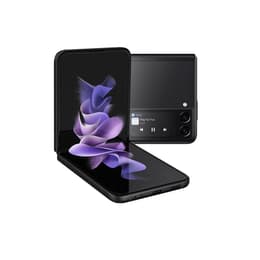
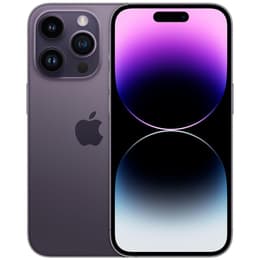
The Samsung Galaxy Z Flip3 5G, released in August 2021, and the Apple iPhone 14 Pro, launched in September 2022, represent distinct approaches to modern smartphone design. The Galaxy Z Flip3 offers a unique foldable form factor, allowing it to compact into a smaller size, while the iPhone 14 Pro maintains a traditional slate design with a focus on advanced internal components and a refined user experience. These devices operate on different ecosystems, with the Z Flip3 running Android and the iPhone 14 Pro powered by iOS.

Scores

Durability

The practical lifespan of a smartphone is influenced by its physical resilience and the duration of software support it receives.

  • Release Timeline and Software Support: The Galaxy Z Flip3 5G, released in August 2021, launched with Android 11 and was initially promised three major Android OS upgrades, reaching Android 14, along with four years of security updates. Regular software and security updates for the Z Flip3 5G concluded in September 2025. The iPhone 14 Pro, released in September 2022, launched with iOS 16 and typically receives major iOS updates for approximately five to six years from its release.
  • Physical Durability: The Galaxy Z Flip3 5G incorporates an Armor Frame and Gorilla Glass Victus on its exterior, offering a degree of protection, and is water resistant. However, some users have reported concerns regarding the durability of its foldable screen, including instances of cracking and bubbling. The iPhone 14 Pro features a Ceramic Shield front cover and a textured matte glass back with a stainless steel frame, contributing to its overall robustness. It carries an IP68 rating for water and dust resistance. While some user experiences suggest the iPhone 14 Pro's screen can be prone to scratching, drop tests indicate the Ceramic Shield provides good resistance to face-down impacts.
  • Repairability Considerations: For the iPhone 14 Pro, replacing the back glass can be a complex and costly repair due to its internal structure.

Year of Release

2021

2022

Compatible with latest Update

Yes

Yes

OS

Android

iOS

Foldable

Yes

No

Performance

Both devices offer robust performance for daily tasks, though they achieve this through different hardware architectures.

  • Core Processing Power: The Galaxy Z Flip3 5G is equipped with a processor that handles demanding applications and multitasking efficiently, supported by 8GB of RAM. The iPhone 14 Pro features a current-generation processor designed for high performance, enabling smooth operation across various applications and intensive tasks, complemented by 6GB of RAM.
  • System Responsiveness: Users of the Galaxy Z Flip3 5G generally experience fluid navigation and quick app loading, indicative of flagship-level application performance. The iPhone 14 Pro delivers consistently fast and responsive system performance, ensuring a seamless user experience even with graphically intensive games or complex productivity apps.
  • Storage Options: The Galaxy Z Flip3 5G is available with 128GB or 256GB of internal storage. The iPhone 14 Pro offers a wider range of storage capacities, including 128GB, 256GB, 512GB, and 1TB, providing more flexibility for users with extensive storage needs.

Memory (GB)

8 GB

6 GB

Screen quality

The display technologies in these smartphones offer distinct visual experiences, catering to different user preferences and form factors.

  • Display Technology and Clarity: The Galaxy Z Flip3 5G features a 6.7-inch foldable Dynamic AMOLED 2X main display with a resolution of 2640 x 1080 pixels, resulting in a clear and vibrant image. It also includes a 1.9-inch Super AMOLED cover screen for quick notifications and interactions when folded. The iPhone 14 Pro is equipped with a 6.1-inch Super Retina XDR OLED display, offering a resolution of 2556 x 1179 pixels, known for its deep blacks and accurate color reproduction.
  • Brightness and Refresh Rate: The Z Flip3's main screen supports an adaptive refresh rate of up to 120Hz for smooth scrolling and visuals, with a peak brightness of 1200 nits. The iPhone 14 Pro also features ProMotion technology, providing adaptive refresh rates up to 120Hz, which can scale down to 1Hz for power efficiency with its Always-On display. Its display can reach a typical maximum brightness of 1000 nits, with peak brightness up to 1600 nits for HDR content and 2000 nits for outdoor visibility.
  • Unique Display Features: The iPhone 14 Pro introduces the Dynamic Island, an interactive area around the front camera cutout that adapts to show alerts and background activities.

Resolution

1080 x 2640

1179 x 2556

Screen type

Foldable Dynamic AMOLED 2X

LTPO Super Retina XDR OLED

Audiovisual

Both devices provide capable camera systems, but they differ in their configurations and photographic strengths.

  • Rear Camera Systems: The Galaxy Z Flip3 5G features a dual-camera setup on the rear, consisting of a 12MP wide-angle lens and a 12MP ultra-wide-angle lens. While capable for everyday photography, user feedback suggests its camera performance is good but may not match the advanced capabilities of other flagship devices. The iPhone 14 Pro boasts a more versatile Pro camera system, including a 48MP main sensor, a 12MP ultra-wide lens, and a 12MP 3x telephoto lens for optical zoom. The 48MP main camera, utilizing a quad-pixel sensor, delivers exceptional detail, especially when shooting in ProRAW format.
  • Low-Light and Video Performance: The iPhone 14 Pro includes a Photonic Engine, which enhances low-light photography, and offers excellent video recording capabilities up to 4K at 60fps, including Cinematic mode and Action mode for stabilized video. The Galaxy Z Flip3 5G can record video in 4K at 60fps and offers features like Night mode.
  • Front Camera and Audio: The Z Flip3 has a 10MP front camera, which performs well, particularly in low-light conditions, and its cover screen can act as a viewfinder for selfies using the main cameras. The iPhone 14 Pro features a 12MP TrueDepth front camera with autofocus and improved low-light performance. Both devices offer good audio experiences, with the Z Flip3 supporting surround sound with Dolby Atmos.

Main camera

12 megapixels

48 megapixels

Front camera

10 megapixels

12 megapixels

Miscellaneous

Beyond core features, several practical elements differentiate these two smartphones in daily use.

  • Connectivity and Ports: Both the Galaxy Z Flip3 5G and iPhone 14 Pro support 5G cellular networks and Wi-Fi 6 for fast wireless connectivity. The Z Flip3 uses a USB 2.0 Type-C port for charging and data transfer, while the iPhone 14 Pro utilizes Apple's Lightning port. Neither device includes a 3.5mm headphone jack.
  • Biometric Security and Sensors: The Galaxy Z Flip3 5G features a side-mounted fingerprint sensor for secure unlocking. The iPhone 14 Pro relies on Face ID, Apple's facial recognition system, and also incorporates a LiDAR scanner for enhanced depth sensing.
  • Design and Handling: The Galaxy Z Flip3 5G's defining feature is its foldable design, allowing it to be compact when closed (72.2 x 86.4 x 17.1mm) and expand to a full-sized smartphone when unfolded (72.2 x 166.0 x 6.9mm), weighing 183g. The iPhone 14 Pro has a traditional slate form factor, measuring 147.5 x 71.5 x 7.85 mm and weighing 206g, offering a solid and premium feel with its stainless steel frame.

Weight

183 g

206 g

Screen size (in)

6.7

6.1

Network

5G

5G

SIM card

Physical SIM + eSIM

Physical SIM + eSIM

Carrier compatibility

Unlocked

Unlocked

The Samsung Galaxy Z Flip3 5G and iPhone 14 Pro cater to different user priorities, each excelling in its own domain. User feedback for the Z Flip3 often praises its innovative foldable design and compact size, making it a distinctive and enjoyable device to use. However, common concerns include its battery life, which many users find insufficient for a full day of heavy use, and some reports of durability issues with the foldable screen.

The iPhone 14 Pro is frequently lauded for its consistently strong performance, advanced camera system, and the overall polished experience of the iOS ecosystem. Its camera capabilities, particularly the 48MP main sensor and enhanced low-light processing, receive significant positive attention for delivering high-quality photos and videos. While its battery life is generally considered good for a Pro model, some users note it doesn't always match the longevity of its larger counterpart, the Pro Max, or previous Pro models.

Users prioritizing a unique, compact form factor that easily fits into smaller spaces and offers a fresh interaction experience may find the Galaxy Z Flip3 5G appealing. Conversely, those who value a consistently powerful and reliable device with a top-tier camera system, robust software support, and a traditional smartphone design will likely lean towards the iPhone 14 Pro. Both devices are available as quality-assured refurbished options, providing an eco-friendly alternative for consumers.


See all articles

Our recent comparisons