

Galaxy Tab S9 FE (10.9", 2023) Vs iPad 10 (2022, A14 series)

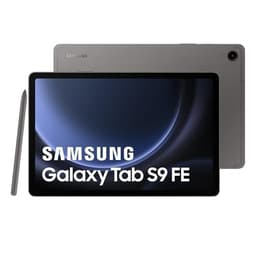
Galaxy Tab S9 FE (10.9", 2023)
Starting at

Refurbished price:390.00

Versus €499.00 new

See options
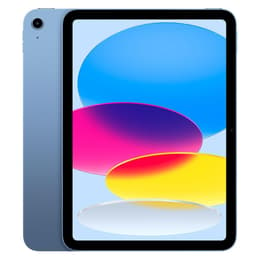
iPad 10 (2022, A14 series)
Starting at

Refurbished price:281.00

Versus €449.00 new

See options

Ratings

The Samsung Galaxy Tab S9 FE, released in October 2023, and the Apple iPad 10th Generation, launched in October 2022, are both tablets designed for a broad range of users. While both offer a 10.9-inch display and aim to provide a versatile tablet experience, they differ in their operating systems and core hardware, leading to distinct user experiences. The Galaxy Tab S9 FE runs on Android, offering greater customization and expandable storage, whereas the iPad 10th Gen operates on iPadOS, known for its streamlined interface and robust app ecosystem.

Scores

Durability

When considering the longevity of these devices, both tablets offer substantial software support and a practical lifespan for everyday use.

  • Release Timeline and OS Support: The Galaxy Tab S9 FE, released in October 2023, ships with Android 13 and is promised four generations of Android updates and five years of security patches, extending its support until Android 17 and security updates until 2028. The iPad 10th Generation, launched in October 2022 with iPadOS 16, typically receives 5-7 years of software updates from its release date, suggesting support potentially until 2027 or later.
  • Repairability: The Galaxy Tab S9 FE has a moderate repairability score, with screen and battery replacements being feasible, though the screen removal process is delicate. The iPad 10th Generation, while noted for being "pretty repairable" by some, has also been given a low repairability score in general for iPads, with screen and battery repairs often involving delicate procedures that can affect other components.
  • Expected Practical Lifespan: Both devices are expected to remain functional and receive critical updates for several years, making them suitable for long-term use. Users of the Galaxy Tab S9 FE can anticipate its usability extending beyond its official software support, potentially until 2030, assuming no hardware issues.

Year of Release

2023

2022

Compatible with latest Update

Yes

Yes

OS

Android

iPadOS

Performance

The performance of these tablets is influenced by their respective processors and operating system optimizations, impacting how smoothly they handle various tasks.

  • Processor Capabilities: The Galaxy Tab S9 FE is equipped with a processor designed for mid-range devices, providing smooth performance for daily tasks, web browsing, and media consumption. It can handle some gaming, though demanding titles like Genshin Impact may experience reduced frame rates on higher settings. The iPad 10th Generation features a processor that delivers fast and fluid performance for most applications, including demanding games and multitasking.
  • Multitasking and Responsiveness: The Galaxy Tab S9 FE offers 6GB or 8GB of RAM, contributing to its ability to run multiple applications simultaneously without significant slowdowns. The iPad 10th Generation comes with 4GB of RAM, and its optimized iPadOS ensures responsive navigation and efficient app switching, providing a smooth user experience.
  • Storage Options: Both tablets offer 128GB and 256GB storage configurations. The Galaxy Tab S9 FE provides the added flexibility of expandable storage via a microSD card, allowing users to increase storage up to 1TB. The iPad 10th Generation does not offer expandable storage.

Memory (GB)

6 GB

4 GB

Screen quality

The visual experience on both tablets is a key differentiator, with variations in display technology, resolution, and refresh rates.

  • Display Technology and Clarity: The Galaxy Tab S9 FE features a 10.9-inch IPS LCD display with a resolution of 2304 x 1440 pixels, offering clear and vibrant visuals. The iPad 10th Generation also has a 10.9-inch Liquid Retina IPS LCD display with a resolution of 2360 x 1640 pixels, providing sharp images and good color reproduction.
  • Brightness and Refresh Rate: The Galaxy Tab S9 FE's display supports a 90Hz refresh rate, contributing to smoother scrolling and a more fluid visual experience, and includes a Vision Booster feature for improved outdoor visibility. The iPad 10th Generation has a standard 60Hz refresh rate and offers up to 500 nits of brightness, which is generally sufficient for indoor use but may be less optimal in bright outdoor conditions.
  • Viewing Experience: While both screens offer good clarity, the iPad's display is not fully laminated and lacks an anti-reflective coating, which can lead to more reflections in certain lighting conditions. The Galaxy Tab S9 FE's display, while also an LCD, aims to provide a good experience for entertainment and casual browsing.

Resolution

1440 x 2304

2360 x 1640

Screen type

IPS LCD

Liquid Retina display

Pixel density

250ppp

264ppp

Audiovisual

The camera systems on these tablets cater to different priorities, with both offering capabilities suitable for video calls and casual photography.

  • Camera System Capabilities: The Galaxy Tab S9 FE includes an 8MP rear camera and a 12MP ultrawide front camera. The iPad 10th Generation features a 12MP rear camera capable of 4K video recording and a 12MP ultrawide front camera with Center Stage, positioned on the landscape edge.
  • Photography and Video Performance: User reviews suggest the Galaxy Tab S9 FE's cameras are adequate for scanning documents and video calls, but general photography may appear slightly soft. The iPad 10th Generation's cameras are generally considered good, with the rear camera offering solid performance for photos and 4K video, and the front camera being a highlight for video conferencing due to its landscape orientation and Center Stage feature.
  • Audio Experience: Both tablets offer stereo speakers. The Galaxy Tab S9 FE supports Dolby Atmos for an enhanced audio experience. The iPad 10th Generation also provides good speaker output, contributing to a satisfying media consumption experience.

Miscellaneous

Beyond core specifications, several practical features and design elements contribute to the overall usability and handling of these tablets.

  • Connectivity and Ports: Both tablets support modern wireless standards, with Wi-Fi 6 and Bluetooth 5.3 on the Galaxy Tab S9 FE, and Wi-Fi 6 and Bluetooth 5.2 on the iPad 10th Generation. Both also feature a USB Type-C port for charging and data transfer. The Galaxy Tab S9 FE offers optional 5G connectivity.
  • Sensors and Biometrics: The Galaxy Tab S9 FE incorporates a fingerprint sensor, often integrated into the power button, along with other sensors like an ambient light sensor and gyroscope. The iPad 10th Generation also features Touch ID integrated into its power button for secure authentication.
  • Design and Handling: The Galaxy Tab S9 FE has an aluminum alloy body and weighs around 524g for the Wi-Fi model, with dimensions of 254.3 x 165.8 x 2.5 mm. It also boasts an IP68 rating for water and dust resistance. The iPad 10th Generation has an aluminum chassis, weighing approximately 477g for the Wi-Fi model, with dimensions of 248.6 x 179.5 x 7 mm. The Galaxy Tab S9 FE includes an S Pen in the box, enhancing its utility for note-taking and drawing.

Weight

524 g

477 g

Screen size (in)

10.9

10.9

Network

Wi-Fi

Wi-Fi

Carrier compatibility

Unlocked

Without SIM Port

User feedback for the Galaxy Tab S9 FE often highlights its vibrant display, included S Pen, and solid battery life for casual use as praise points. Criticisms sometimes point to its performance limitations for very demanding games and the camera quality for serious photography. For the iPad 10th Generation, users frequently commend its modernized design, the convenient landscape orientation of the front camera for video calls, and its generally fluid performance for everyday tasks. Common concerns include the base storage capacity and the display lacking an anti-reflective coating.

Users prioritizing a tablet with an included stylus for creative tasks or note-taking, along with expandable storage and water resistance, may find the Galaxy Tab S9 FE well-suited to their needs. Its Android operating system also offers a high degree of customization. Conversely, individuals seeking a highly optimized ecosystem, consistent performance for a wide range of applications, and a strong focus on video conferencing capabilities might lean towards the iPad 10th Generation. Both devices offer a reliable tablet experience, and choosing between them often comes down to preference for either the Android or iPadOS ecosystem and specific feature priorities. For those considering either of these capable tablets, exploring quality-assured refurbished options can be an eco-friendly alternative.


See all articles

Our recent comparisons