

Compare models
iPhone 16 Pro Max Vs Xiaomi Redmi Note 13 4G
- 1-year minimum warranty
- Free delivery on all orders
- Free 30-day returns
Differences at a glance
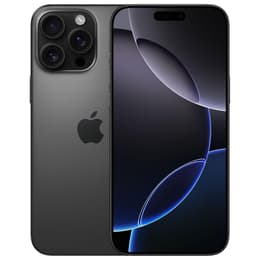
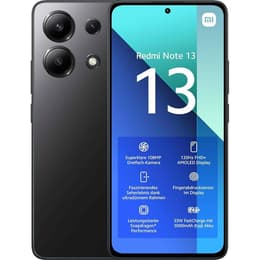
The Apple iPhone 16 Pro Max (2024) and the Xiaomi Redmi Note 13 4G (2024) represent entirely different segments of the smartphone market, catering to vastly different user priorities. While the iPhone 16 Pro Max serves as a premium flagship device built for high-end performance and multimedia creation, the Xiaomi Redmi Note 13 4G functions as an entry-level smartphone focused on daily essentials. Operating on iOS and Android respectively, these two models diverge significantly in processing power, build philosophy, and overall capability.
Available Models
Colour
Storage (GB)
Scores
Durability
When examining longevity and structural endurance, both devices offer distinct timelines shaped by their market positioning and software commitment.
- Software Support and Updates: The iPhone 16 Pro Max benefits from an extended software update schedule spanning several years, ensuring long-term security and feature access. The Xiaomi Redmi Note 13 4G receives standard Android security patches and system updates, though over a more constrained timeframe typical of entry-level devices.
- Build Materials and Repairability: The iPhone 16 Pro Max utilizes titanium and textured matte glass alongside high water-resistance ratings, while the Redmi Note 13 4G features a plastic frame and glass front with basic splash resistance. Both devices require professional assistance for complex repairs, though screen replacements are widely available for both models.
- Expected Practical Lifespan: Users seeking a device that retains peak performance over many years will find the robust hardware of the iPhone 16 Pro Max well-suited to extended use, whereas the Redmi Note 13 4G serves users looking for a reliable short-to-medium-term communication tool.
Year of Release
2024
2024
Compatible with latest Update
Yes
Yes
Foldable
No
No
Performance
Processing capabilities and day-to-day operation highlight the fundamental gap between a high-end flagship and an entry-level device.
- App Loading and Multitasking: The iPhone 16 Pro Max handles demanding 3D games, heavy video editing software, and rapid background app switching effortlessly. The Xiaomi Redmi Note 13 4G manages everyday messaging, web browsing, and social media smoothly, though heavy multitasking can introduce minor slowdowns.
- Battery Behavior: Both devices easily transition through a full day of typical use, though the iPhone 16 Pro Max employs advanced power management for heavy workloads, while the Redmi Note 13 4G relies on an efficient processor to maintain steady endurance during lighter tasks.
- Storage and Configuration: The iPhone 16 Pro Max starts with large base storage capacities suited for extensive media libraries, whereas the Redmi Note 13 4G offers more modest storage tiers often complemented by expandable memory options via microSD cards.
Screen quality
Visual output and display engineering differ notably in panel technology, brightness ceilings, and refresh capabilities.
- Display Technology: Both devices feature vibrant OLED panels that deliver deep blacks and rich contrast, though the iPhone 16 Pro Max incorporates advanced brightness scaling and more accurate color calibration for professional media viewing.
- Outdoor Visibility and Refresh Rates: The iPhone 16 Pro Max achieves exceptionally high peak outdoor brightness paired with a fluid adaptive refresh rate. The Xiaomi Redmi Note 13 4G offers a smooth high refresh rate option for scrolling menus, though its maximum outdoor brightness requires more direct shading in bright sunlight.
- Viewing Experience: The iPhone 16 Pro Max provides a larger canvas with thinner bezels optimized for cinematic viewing, while the Redmi Note 13 4G offers a compact, clear display well-suited for reading and messaging.
Resolution
1320 x 2868
1080 x 2400
Screen type
LTPO Super Retina XDR OLED
AMOLED
Audiovisual
Imaging hardware and audio output cater to distinct creative demands and media consumption habits.
- Camera System Versatility: The iPhone 16 Pro Max features a multi-lens setup including high-resolution ultra-wide and optical telephoto capabilities, excelling in low-light photography and professional video codecs. The Redmi Note 13 4G relies primarily on a high-megapixel main sensor that captures crisp daylight photos, alongside basic secondary lenses.
- Video Recording: The iPhone 16 Pro Max supports advanced cinematic video modes, high frame rates, and spatial audio capture. The Redmi Note 13 4G records clear standard-definition video adequate for casual sharing and video calls.
- Audio and Media Output: The iPhone 16 Pro Max delivers rich, balanced stereo sound through its dual speakers, while the Redmi Note 13 4G provides functional audio output, retaining a traditional headphone jack for wired listening convenience.
Main camera
48 megapixels
108 megapixels
Front camera
12 megapixels
16 megapixels
Miscellaneous
Practical daily features, connectivity standards, and physical dimensions shape the handling experience of each smartphone.
- Connectivity and Ports: The iPhone 16 Pro Max utilizes a high-speed USB-C port alongside Wi-Fi 7 and 5G connectivity. The Redmi Note 13 4G features a standard USB-C port, 4G network connectivity, and Bluetooth support, omitting newer wireless standards.
- Security and Authentication: The iPhone 16 Pro Max employs advanced facial recognition technology for secure unlocking and authentication. The Redmi Note 13 4G utilizes a responsive fingerprint sensor integrated directly into the side power button or beneath the screen.
- Physical Handling: The iPhone 16 Pro Max is a heavier, larger device constructed with dense materials, whereas the Redmi Note 13 4G features a lighter, slimmer plastic build that feels less fatiguing during one-handed text input.
Weight
227 g
175 g
Screen size (in)
6.9
6.67
Network
5G
4G
SIM card
eSIM
Dual Physical SIM
Carrier compatibility
Unlocked
Unlocked
Connector
USB-C (USB 3)
USB-C
What the community thinks
Real-world user feedback indicates clear divisions in how these devices satisfy daily demands. Users frequently praise the iPhone 16 Pro Max for its exceptional processing headroom, advanced camera versatility, and long-term software reliability, though some note its substantial physical weight and high entry tier. Conversely, users value the Xiaomi Redmi Note 13 4G for its reliable daily messaging performance, comfortable lightweight build, and inclusion of expandable storage, while noting limitations in complex gaming and low-light photography.
Users prioritizing high-end mobile photography, intensive multitasking, and maximum software longevity will find the iPhone 16 Pro Max well-suited to their needs. Meanwhile, users focusing on straightforward communication, media streaming, and essential daily tasks will lean toward the Xiaomi Redmi Note 13 4G. For those exploring sustainable purchasing routes, choosing a quality-assured refurbished option provides a practical way to access high-end technology while minimizing environmental impact. Ultimately, the choice depends on matching individual workflow requirements with the core strengths of each device.