

Compare models

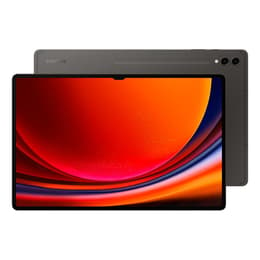
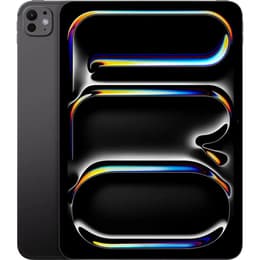
Galaxy Tab S9 (11.0", 2023) Vs iPad Pro (2025, M5 series)

  • 1-year minimum warranty
  • Free delivery on all orders
  • Free 30-day returns
Galaxy Tab S9 (11.0", 2023)
Starting at

Refurbished price:€626.00

Versus €1,219.00 new

See options
iPad Pro (2025, M5 series)
Starting at

Refurbished price:€904.00

Versus €1,319.00 new

See options

Differences at a glance

The Samsung Galaxy Tab S9 (2023) and the iPad Pro (2025) represent two high-end tablet options designed for productivity, media, and daily tasks. While the Galaxy Tab S9 runs on the Android operating system with an included stylus, the iPad Pro operates on iPadOS and targets users who prefer Apple's ecosystem. These devices differ significantly in release year, internal architecture, and software environments, catering to distinct user preferences.

Available Models

Colour

Storage

Scores

Durability

When examining longevity and hardware endurance, both devices offer solid structural build quality but differ in software support timelines and update frequencies.

  • Software lifecycle: The iPad Pro benefits from a newer release year, aligning with extended software support schedules, whereas the Galaxy Tab S9 has a head start in the market with its 2023 launch.
  • Repair infrastructure: Both manufacturers provide structured repair services, though local service availability varies depending on regional support networks.
  • Expected lifespan: Premium component builds and robust physical chassis design ensure that both tablets maintain functional reliability across multiple years of daily usage.

Year of Release

2023

2025

Compatible with latest Update

Yes

Yes

OS

Android

iPadOS

Performance

Processing capabilities and day-to-day responsiveness vary across these tablets, influenced by their underlying silicon architectures and memory configurations.

  • Multitasking and app switching: Both devices handle heavy applications, split-screen workflows, and demanding games smoothly without noticeable stutter.
  • Storage configurations: A wide range of internal storage tiers accommodates large file libraries, media projects, and offline applications.
  • Energy management: Power efficiency optimizations ensure that typical mixed-use workloads span a full day of independent operation before requiring a recharge.

Screen quality

Visual output and display engineering differ between the two models, providing distinct viewing experiences for media consumption and creative tasks.

  • Panel technology: The Galaxy Tab S9 features an AMOLED display known for deep contrast levels, while the iPad Pro utilizes an advanced OLED panel configuration designed for high peak brightness.
  • Refresh rate smoothness: Both screens support high refresh rates, ensuring fluid scrolling, responsive handwriting tracking, and smooth animations.
  • Outdoor visibility: High maximum brightness thresholds on both panels allow contents to remain legible under direct ambient light or outdoor environments.

Resolution

1600 x 2560

2420 x 1668

Screen type

Dynamic AMOLED 2X

Ultra Retina XDR display

Audiovisual

Optics, audio reproduction, and media recording capabilities provide functional utility for video calls and casual content capture.

  • Camera hardware: Both tablets feature capable rear and front-facing camera setups positioned for landscape video conferences and document scanning.
  • Audio delivery: Multi-speaker arrays produce clear, balanced sound output suitable for streaming videos or listening to music without external speakers.
  • Microphone clarity: Integrated microphone arrays isolate voices effectively during online meetings and voice memos.

Miscellaneous

Physical dimensions, connectivity standards, and daily handling characteristics define the practical usability of each device.

  • Build profile: Both models feature slim aluminum enclosures that balance structural rigidity with manageable handheld weight.
  • Connectivity suite: Modern wireless standards, including fast Wi-Fi protocols and optional cellular data connectivity, maintain stable connections on the go.
  • Authentication security: Biometric verification utilizes either facial recognition or fingerprint scanning depending on the model architecture.

Weight

129 g

444 g

Screen size (in)

11.0

11

Network

Wi-Fi + 5G

Wi-Fi

Carrier compatibility

Unlocked

Without SIM Port

What the community thinks

User discussions across public forums highlight distinct preferences for each tablet. Galaxy Tab S9 owners frequently praise the inclusion of the responsive stylus out of the box and the flexibility of the Android file management system. Conversely, iPad Pro users often emphasize the fluid app ecosystem, robust processing headroom, and overall display crispness. Choosing between them depends largely on personal operating system preference and workflow requirements.

Users prioritizing an open file structure, included stylus accessories, and deep contrast levels may prefer the Galaxy Tab S9, while users seeking a long-term software support window, ecosystem continuity, and high processing ceilings will lean toward the iPad Pro. For those exploring a sustainable choice, a quality-assured refurbished option provides a reliable and eco-friendly alternative for acquiring either device.


Our recent comparisons







