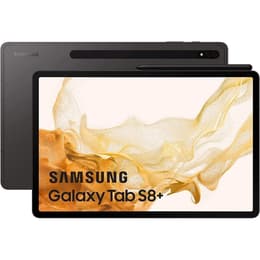
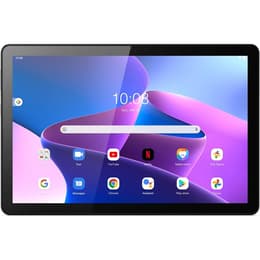


Galaxy Tab S8+ (12.4", 2022) Vs Lenovo Tab M10 Gen 3 (10.1", 2022)

Galaxy Tab S8+ (12.4", 2022)
Starting at

Refurbished price:479.00

Versus €999.00 new

See options
Lenovo Tab M10 Gen 3 (10.1", 2022)
Starting at

Refurbished price:141.48

Versus €299.99 new

See options

Ratings

The Samsung Galaxy Tab S8 Plus and the Lenovo Tab M10 Gen 3, both released in 2022, offer distinct tablet experiences tailored to different user needs. While both operate on the Android platform, they diverge significantly in their design philosophy, display technology, and overall performance capabilities. The Galaxy Tab S8 Plus positions itself as a premium device with a focus on high-end multimedia and productivity, whereas the Lenovo Tab M10 Gen 3 provides a more accessible option for everyday tasks and media consumption.

Scores

Durability

When considering the long-term usability of these tablets, their release timelines and software support policies are key factors. Both devices launched in 2022, meaning their hardware is from the same general generation.

  • Software Updates: The Samsung Galaxy Tab S8 Plus benefits from Samsung's commitment to extended software support, typically receiving four major Android OS upgrades and five years of security updates, with support potentially extending into 2027. This means it will continue to receive new features and security patches for a longer duration. The Lenovo Tab M10 Gen 3 generally receives fewer major OS updates, often two, and around four years of security patches, which can impact its long-term feature set and security posture.
  • Practical Lifespan: The more robust internal components of the Galaxy Tab S8 Plus are likely to handle future software demands and more intensive applications for a longer period. The Lenovo Tab M10 Gen 3, while capable for its intended use, may show signs of slowing down with more demanding software updates or applications over time.
  • Repairability: Both tablets, like many modern electronic devices, present challenges for user repair. However, the widespread availability of parts and service networks for popular brands like Samsung can sometimes offer more options for professional repairs, potentially extending the device's practical life.

Year of Release

2022

2022

Compatible with latest Update

Yes

No

OS

Android

Android

Performance

The performance of these two tablets varies considerably, reflecting their different design goals and hardware configurations. This impacts how smoothly they handle various applications and multitasking scenarios.

  • Everyday Responsiveness: The Galaxy Tab S8 Plus delivers a highly responsive experience, capable of handling demanding applications, complex multitasking, and graphic-intensive games with ease. Its advanced processing unit ensures quick app loading and smooth transitions. The Lenovo Tab M10 Gen 3 is well-suited for general web browsing, streaming video, and light productivity tasks, offering adequate performance for these common uses.
  • Multitasking and Storage: With higher amounts of internal memory, the Galaxy Tab S8 Plus excels at running multiple applications simultaneously without noticeable slowdowns, making it suitable for users who frequently switch between tasks. It also offers larger base storage options and expandable memory for extensive file and app libraries. The Lenovo Tab M10 Gen 3, typically equipped with less internal memory, is better suited for more focused use with fewer applications open concurrently, though it also supports expandable storage for media.
  • Battery Behavior: The Galaxy Tab S8 Plus features a substantial battery capacity, designed to power its large, high-resolution display and powerful components. For heavy users, this might translate to a full day of use, though intensive tasks like gaming or 5G connectivity can lead to more frequent charging. The Lenovo Tab M10 Gen 3, with its smaller screen and less power-hungry components, offers a respectable battery life for media consumption and casual use, often lasting through typical daily activities.

Memory (GB)

8 GB

3 GB

Processor

Qualcomm SM8450 Snapdragon 8 Gen 1

Unisoc T610

Screen quality

The visual experience is a primary differentiator between these two tablets, largely due to their distinct display technologies and specifications.

  • Display Technology and Clarity: The Samsung Galaxy Tab S8 Plus features a Super AMOLED display, known for its deep blacks, high contrast, and vibrant color reproduction, providing an immersive viewing experience for movies and detailed work. Its higher resolution results in exceptionally sharp images and text. The Lenovo Tab M10 Gen 3 utilizes an IPS LCD panel, which offers good color accuracy and wide viewing angles, suitable for general media consumption and web browsing, though its resolution is lower, resulting in less pixel density.
  • Brightness and Refresh Rate: The Galaxy Tab S8 Plus offers higher peak brightness, making it more comfortable to use in brightly lit environments or outdoors. It also boasts a high refresh rate, which contributes to smoother scrolling, more fluid animations, and a more responsive feel during interactions. The Lenovo Tab M10 Gen 3 has a standard refresh rate and moderate brightness, which is sufficient for indoor use and typical viewing conditions.
  • Screen Size and Viewing Experience: With a 12.4-inch display, the Galaxy Tab S8 Plus provides a larger canvas for productivity, drawing, and immersive entertainment. The 10.1-inch screen of the Lenovo Tab M10 Gen 3 offers a more compact and portable viewing experience, ideal for casual use and easier handling.

Resolution

1752 x 2800

1200 x 1920

Screen type

Super AMOLED

IPS LCD

Pixel density

270ppp

230ppp

Audiovisual

While tablets are not typically primary photography devices, their camera systems are important for video calls, document scanning, and occasional photo capture. The capabilities of these two tablets reflect their different market positions.

  • Rear Camera System: The Samsung Galaxy Tab S8 Plus is equipped with a dual-camera setup on the rear, including a main lens and an ultrawide lens, offering more versatility for capturing different scenes. It generally provides clearer images with better detail and color reproduction in good lighting conditions. The Lenovo Tab M10 Gen 3 features a single rear camera, which is suitable for basic photography and document scanning.
  • Front Camera and Video Quality: For video conferencing and selfies, the Galaxy Tab S8 Plus includes a higher-resolution front camera that delivers sharper and more detailed video feeds. It also supports higher quality video recording for both front and rear cameras. The Lenovo Tab M10 Gen 3's front camera is adequate for standard video calls.
  • Audio Experience: The Galaxy Tab S8 Plus features a robust speaker system with support for enhanced audio technologies, providing a richer and more immersive sound experience for media consumption. Its microphones are also designed for clearer audio input during calls. The Lenovo Tab M10 Gen 3 offers stereo speakers that are suitable for casual listening and video playback.

Miscellaneous

Beyond core performance and display, several practical features contribute to the overall user experience and differentiate these two tablets.

  • Connectivity and Ports: The Samsung Galaxy Tab S8 Plus supports more advanced wireless standards, including Wi-Fi 6E, for faster and more stable internet connections, and offers 5G cellular options for high-speed mobile data. It features a USB Type-C port, which can support faster data transfer speeds. The Lenovo Tab M10 Gen 3 includes Wi-Fi 5 and Bluetooth 5.0, providing reliable wireless connectivity, and also has a USB Type-C port, along with a traditional 3.5mm headphone jack, which is absent on the Galaxy Tab S8 Plus.
  • Biometric Security and Stylus Support: The Galaxy Tab S8 Plus incorporates an in-display fingerprint sensor for convenient and secure unlocking. It also comes with the S Pen stylus included, offering precise input for drawing, note-taking, and navigation. The Lenovo Tab M10 Gen 3 typically relies on face recognition for unlocking and does not include a stylus, though some third-party universal styluses may be compatible.
  • Build Materials and Portability: The Galaxy Tab S8 Plus features a premium aluminum build, contributing to a solid and refined feel, though its larger size and weight make it less portable. The Lenovo Tab M10 Gen 3 combines plastic and metal in its construction, offering a durable yet lighter and more compact design, making it easier to carry for on-the-go use.

Weight

567 g

460 g

Screen size (in)

12.4

10.1

Network

Wi-Fi

Wi-Fi

Carrier compatibility

Without SIM Port

Unlocked

Connector

USB Type-C

USB Type-C

User feedback for the Samsung Galaxy Tab S8 Plus often highlights its exceptional display, powerful performance for demanding tasks, and the versatility offered by the included S Pen and DeX mode. Many users appreciate its suitability for creative work, extensive multitasking, and immersive media consumption. Some common concerns include its battery life under heavy usage, particularly with 5G enabled, and its larger size and weight, which can impact portability for some individuals.

The Lenovo Tab M10 Gen 3 is frequently praised for its solid build quality, adequate performance for everyday tasks, and its suitability as a media consumption device. Users often find it a practical choice for browsing, streaming videos, and light productivity. Criticisms sometimes point to its more limited performance for intensive applications and multitasking, with some reports of lag, especially after certain software updates. Its software update longevity is also a point of consideration for users seeking the latest Android features over many years.

Ultimately, the choice between these two tablets depends on individual priorities. Users who require a high-performance device for professional applications, digital art, or a premium entertainment experience with a large, vibrant display will find the Galaxy Tab S8 Plus well-suited to their needs. Conversely, individuals seeking a more compact, straightforward tablet for casual browsing, media streaming, and light academic or personal use may lean towards the Lenovo Tab M10 Gen 3. Both models are available as quality-assured refurbished options, providing an eco-friendly alternative for consumers.


See all articles

Our recent comparisons