

Galaxy Tab S8 (11.0", 2022) Vs Galaxy Tab S9 Ultra (14.6", 2023)

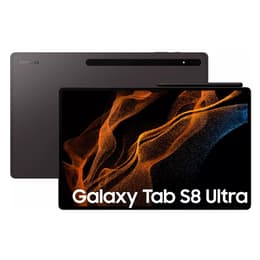
Galaxy Tab S8 (11.0", 2022)
Starting at

Refurbished price:332.00

Versus €745.19 new

See options
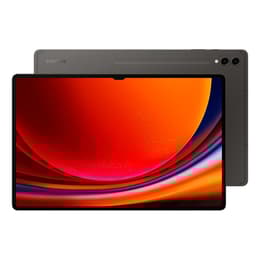
Galaxy Tab S9 Ultra (14.6", 2023)
Starting at

Refurbished price:754.00

Versus €1,800.00 new

See options

Ratings

The Samsung Galaxy Tab S8, released in early 2022, and the Samsung Galaxy Tab S9 Ultra, launched in mid-2023, are both premium Android tablets from Samsung. While the Tab S8 offers a more traditional tablet experience with its 11-inch display, the Tab S9 Ultra distinguishes itself with a significantly larger 14.6-inch screen and a more advanced display technology. Both devices run on the Android operating system, providing a familiar software environment, but they cater to different user needs primarily due to their size and hardware advancements.

Scores

Durability

The longevity of a tablet is influenced by its build quality, software support, and the ease of repair. These two Samsung tablets, while both premium, present some differences in these aspects.

  • Release Timeline and Software Support: The Galaxy Tab S8 was released in March 2022, while the Galaxy Tab S9 Ultra followed in August 2023. Samsung typically provides four generations of Android OS updates and five years of security updates for its flagship tablets. This means the Tab S9 Ultra, being a year newer, is expected to receive software support for a longer duration, potentially extending its practical lifespan for users who prioritize the latest software features and security patches.
  • Build Materials and Durability: Both tablets feature a robust Armor Aluminum frame, contributing to their overall durability. However, the Galaxy Tab S9 Ultra introduces an IP68 rating for dust and water resistance, a feature absent in the Tab S8. This added protection in the S9 Ultra offers greater resilience against environmental elements, which can be a significant factor in its long-term usability. The larger size of the S9 Ultra, while making it more susceptible to bending in extreme stress tests, has been shown to hold up well in durability assessments due to its premium construction.
  • Repairability Considerations: Repairing modern tablets, including these models, can be challenging due to their slim designs and the use of adhesives. The Galaxy Tab S9 Ultra has a repairability score of 6.0 out of 10, with accessible battery and pull tabs being positive aspects, though screen removal is a delicate process. The Tab S8 has a similar repairability score of 5.5 out of 10. For both devices, screen damage is a common failure point, and AMOLED screen replacements, particularly on the S9 Ultra, can be costly.

Year of Release

2022

2023

Compatible with latest Update

Yes

Yes

OS

Android

Android

Performance

The performance of a tablet is crucial for handling demanding applications, multitasking, and ensuring a smooth user experience. Both the Galaxy Tab S8 and Tab S9 Ultra offer capable performance, but the newer model benefits from a more recent generation of internal components.

  • Processing Power and Responsiveness: The Galaxy Tab S8 is equipped with a powerful processor from early 2022, providing ample speed for most daily tasks, including web browsing, media consumption, and moderate gaming. The Galaxy Tab S9 Ultra, released a year later, features a more advanced processor, which translates to improved efficiency and greater raw power. This newer processor allows the S9 Ultra to handle demanding applications and intensive multitasking with greater fluidity, making it particularly well-suited for professional creative work or heavy gaming.
  • Multitasking and Storage: Both tablets offer various storage configurations, with the option to expand storage via a microSD card. The Galaxy Tab S9 Ultra typically comes with higher RAM options (up to 16GB) compared to the Tab S8 (up to 12GB), which can lead to a smoother experience when running numerous applications simultaneously or switching between complex tasks. Users of the Tab S8 have reported excellent performance for multitasking, even with many tabs and apps open.
  • Battery Performance: The Galaxy Tab S8 features an 8,000 mAh battery, providing solid battery life for a full day of consistent use or several days of lighter use. The Galaxy Tab S9 Ultra, with its larger physical size, houses a substantial 11,200 mAh battery. While its larger, more vibrant display can consume more power, the S9 Ultra generally offers extended usage times, with users reporting 9 to 12 hours of mixed use per charge. Both devices support 45W fast charging, though the S9 Ultra's larger battery means it takes longer to fully charge.

Memory (GB)

8 GB

12 GB

Processor

Qualcomm SM8450 Snapdragon 8 Gen 1

Qualcomm SM8550-AC Snapdragon 8 Gen 2

Screen quality

The display is a primary interaction point for any tablet, and the Galaxy Tab S8 and Tab S9 Ultra offer distinct viewing experiences due to differences in size and technology.

  • Display Technology and Clarity: The Galaxy Tab S8 features an 11-inch LTPS TFT LCD display with a resolution of 2560 x 1600 pixels. This screen provides clear and vibrant visuals suitable for everyday use. In contrast, the Galaxy Tab S9 Ultra boasts a larger 14.6-inch Dynamic AMOLED 2X display with a resolution of 2960 x 1848 pixels. The AMOLED technology offers deeper blacks, higher contrast, and more vibrant colors, which enhances the viewing experience for media consumption and creative work.
  • Size and Viewing Experience: The 11-inch screen of the Tab S8 provides a portable and comfortable viewing area for general tasks, reading, and casual media. The 14.6-inch display of the Tab S9 Ultra, however, offers a significantly more expansive and immersive viewing experience, akin to a portable theater. This larger canvas is particularly beneficial for multitasking with multiple windows, detailed creative work, or enjoying movies and games.
  • Brightness and Refresh Rate: Both tablets feature a 120Hz refresh rate, ensuring smooth scrolling and responsive interactions. The Galaxy Tab S9 Ultra's AMOLED display generally achieves higher peak brightness levels compared to the Tab S8's LCD, making it more comfortable to use in bright outdoor conditions.

Resolution

1600 x 2560

1848 x 2960

Screen type

TFT LCD

Dynamic AMOLED 2X

Pixel density

280ppp

240ppp

Audiovisual

While tablets are not typically primary photography devices, their camera systems are important for video calls, document scanning, and occasional photo capture. Both the Galaxy Tab S8 and Tab S9 Ultra offer capable camera setups.

  • Rear Camera System: The Galaxy Tab S8 includes a dual rear camera setup with a 13MP main sensor and a 6MP ultrawide sensor. The Galaxy Tab S9 Ultra also features a dual rear camera system, with a 13MP main sensor and an 8MP ultrawide sensor. Both configurations are suitable for capturing clear photos and videos in well-lit conditions.
  • Front Camera System: For video conferencing and selfies, the Galaxy Tab S8 has a 12MP ultrawide front camera. The Galaxy Tab S9 Ultra enhances this with a dual front camera setup, featuring two 12MP sensors (one wide and one ultrawide). This dual front camera on the S9 Ultra provides more versatility for video calls, allowing for wider group shots and potentially better depth effects.
  • Video Recording and Audio: Both tablets are capable of recording 4K UHD video at 30 frames per second. They also feature multiple microphones for clear audio capture during calls and recordings, and quad stereo speakers with Dolby Atmos support for an immersive audio experience. The S9 Ultra's speakers are noted for their robust output, capable of filling a small room with sound.

Miscellaneous

Beyond core performance and display, several practical features contribute to the overall user experience of these tablets.

  • Connectivity and Ports: Both the Galaxy Tab S8 and Tab S9 Ultra support modern connectivity standards, including Wi-Fi 6E for fast wireless internet and Bluetooth 5.2 or 5.3 for accessories. The Tab S9 Ultra also offers 5G connectivity options, providing high-speed mobile data access. Both devices utilize a USB Type-C 3.2 port for charging and data transfer.
  • Biometric Security: The Galaxy Tab S8 features a side-mounted fingerprint sensor integrated into the power key for secure unlocking. The Galaxy Tab S9 Ultra, on the other hand, incorporates an in-display fingerprint sensor, offering a more seamless and integrated biometric authentication experience. Both tablets also support face recognition.
  • Design and Handling: The Galaxy Tab S8, with its 11-inch screen, is more compact and lighter, weighing approximately 503 grams and measuring 6.3mm thick. This makes it more portable and easier to handle with one hand. The Galaxy Tab S9 Ultra is significantly larger and heavier, at 14.6 inches, weighing around 732 grams and measuring a mere 5.5mm thick. While its thinness is notable, its large size can make it less convenient for single-handed use and more suited for a stationary setup or two-handed operation.
  • S Pen Integration: Both tablets come with the S Pen included, which magnetically attaches to the back for charging and storage. The S Pen offers a versatile tool for note-taking, drawing, and navigation, with users often praising its functionality and integration with Samsung's software.

Weight

507 g

732 g

Screen size (in)

11.0

14.6

Network

Wi-Fi + 5G

Wi-Fi

Carrier compatibility

Unlocked

Without SIM Port

Connector

USB Type-C

USB Type-C

The Samsung Galaxy Tab S8 and Galaxy Tab S9 Ultra are both strong contenders in the Android tablet market, each excelling in different areas to suit varied user preferences. User feedback often highlights the Tab S8 as a highly capable and portable device, praised for its solid performance and included S Pen, making it a great option for general use and students. Some users, however, have noted that its LCD display, while good, doesn't offer the same visual depth as AMOLED screens found in other premium tablets.

The Galaxy Tab S9 Ultra, conversely, receives significant acclaim for its expansive and vibrant AMOLED display, which provides an immersive experience for media consumption and detailed creative tasks. Its top-tier performance is also frequently lauded, making it suitable for demanding productivity and entertainment. Criticisms often revolve around its sheer size, which, while a benefit for screen real estate, can make it less portable and more challenging to handle for some users.

Users prioritizing portability, a comfortable one-handed experience, and a capable tablet for everyday tasks, note-taking, and lighter media consumption may find the Galaxy Tab S8 to be an excellent fit. Its balanced size and strong performance make it a versatile choice for students and casual users. For those who require a large digital canvas for professional creative work, extensive multitasking, or an immersive media viewing experience, the Galaxy Tab S9 Ultra stands out. Its large, high-quality display and enhanced processing power cater to users looking for a more desktop-like experience or a dedicated device for art and design. Both tablets offer a quality-assured refurbished option, providing an eco-friendly alternative for consumers seeking premium features.

See all articles

Our recent comparisons