
Compare models
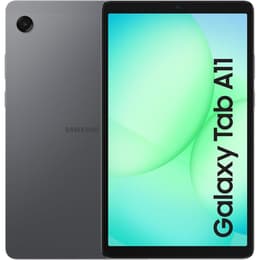
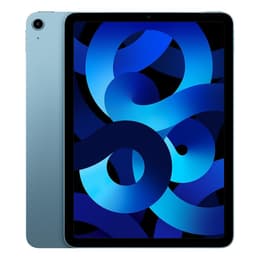
Galaxy Tab A11 (8.7", 2025) Vs iPad Air 5 (2022, M1 series)
- 1-year minimum warranty
- Free delivery on all orders
- Free 30-day returns
Differences at a glance
The Samsung Galaxy Tab A11 (2025) and the Apple iPad Air 5 (2022) are compact and mid-sized tablets designed for everyday productivity, media consumption, and casual mobile use. While the Samsung model emphasizes a highly portable 8.7-inch form factor running on Android, the iPad Air 5 utilizes a slightly larger 10.9-inch display powered by iPadOS and desktop-class internal architecture. These two devices offer distinct software ecosystems and physical dimensions, catering to different user preferences for handling daily digital tasks.
Available Models
Colour
Storage (GB)
Scores
Durability
When evaluating hardware longevity and software support, both tablets follow different schedules based on their respective release years and platform update policies.
- Software Support Duration: The Galaxy Tab A11 benefits from Samsung's modern multi-year update framework, while the iPad Air 5 relies on Apple's established history of extending major operating system updates to its custom hardware line over several years.
- Repairability and Build Structure: Both tablets feature sealed aluminum or composite chassis constructions that typically require professional servicing for internal component replacements, aligning with standard modern electronics design.
- Expected Practical Lifespan: Users can expect both devices to remain functional for routine web browsing, streaming, and reading tasks for years, though processing-heavy workloads may favor the more robust internal configuration of the Apple device over time.
Year of Release
2025
2022
Compatible with latest Update
Yes
Yes
OS
Android
iPadOS
Performance
System responsiveness and hardware capabilities differ significantly between the two models due to their contrasting internal processing units and memory allocations.
- Everyday Responsiveness: The Galaxy Tab A11 handles standard applications, social media feeds, and web browsing smoothly, whereas the iPad Air 5 manages demanding multitasking, creative apps, and high-end gaming with substantial headroom.
- Storage Configurations: Samsung includes options for expandable storage via a microSD card slot, while Apple relies strictly on fixed internal storage capacities that cannot be physically upgraded after purchase.
- Battery Behavior: Both tablets maintain enough charge for standard daily usage involving mixed media streaming and web reading, though heavy multi-app usage will drain power more quickly on smaller battery capacities.
Screen quality
Visual output and display characteristics vary notably in screen technology, physical dimensions, and refresh behavior.
- Display Technology: The iPad Air 5 features a fully laminated Liquid Retina IPS LCD panel with wide color support and high resolution, whereas the Galaxy Tab A11 uses a standard TFT LCD panel with a smoother 90Hz refresh rate for scrolling.
- Brightness and Outdoor Legibility: The iPad Air offers higher peak luminance for outdoor visibility, while the Samsung display provides adequate brightness levels for indoor environments and shaded outdoor areas.
- Viewing Experience: The iPad provides a larger canvas well-suited for document editing and split-screen multitasking, while the Samsung offers a compact widescreen layout optimized for single-handed reading and portable video viewing.
Resolution
800x1340
2360 x 1640
Pixel density
180ppp
264ppp
Audiovisual
Optics and audio reproduction are tailored toward casual photography, video calls, and media playback on both models.
- Camera Systems: The iPad Air 5 is equipped with higher-resolution front and rear sensors alongside automated subject-tracking features for video conferencing, while the Galaxy Tab A11 features basic single-lens cameras suited for quick snapshots and document scanning.
- Video Recording: Apple's model supports higher-resolution video capture formats with advanced stabilization features, whereas Samsung's device handles standard high-definition recording suitable for casual sharing.
- Audio Output: Both tablets incorporate stereo speaker systems that deliver clear sound for podcasts, video calls, and casual movie watching, though neither replaces dedicated external speakers for deep bass reproduction.
Miscellaneous
Physical handling, connectivity standards, and daily utility features shape the practical experience of carrying and using each tablet.
- Portability and Handling: The Galaxy Tab A11 is notably lighter and smaller, making it convenient for travel and extended hand-held reading, while the iPad Air 5 offers a wider footprint that balances well on tablet stands or with keyboard attachments.
- Connectivity Options: Both models provide reliable wireless internet standards and Bluetooth connectivity, with select variants offering cellular network support for mobile data on the go.
- Ports and Biometrics: The Samsung device retains traditional wired audio support through a standard headphone jack alongside a USB-C port, while the iPad Air 5 relies entirely on USB-C connectivity and integrates a fingerprint recognition sensor into its top power button.
Weight
335 g
461 g
Screen size (in)
8.7
10.9
Network
Wi-Fi
Wi-Fi
Carrier compatibility
Without SIM Port
Without SIM Port
What the community thinks
User discussions across online communities highlight distinct preferences for each tablet based on intended use cases. Owners of the Galaxy Tab A11 frequently praise its compact footprint, lightweight build, and expandable storage capabilities, making it a practical choice for reading and media playback on commutes. Conversely, users favor the iPad Air 5 for its robust processing power, polished app ecosystem, and expansive screen size, which accommodates more intensive creative work and multitasking.
Users prioritizing maximum portability, expandable storage, and a smaller handheld footprint will find the Samsung Galaxy Tab A11 well-suited to their needs. Meanwhile, users looking for high-end processing performance, a wider display, and deep software integration for creative tasks may lean toward the iPad Air 5. Choosing a quality-assured refurbished option through platforms like Back Market offers an eco-friendly, sustainable way to acquire these devices while reducing electronic waste.