

Compare models
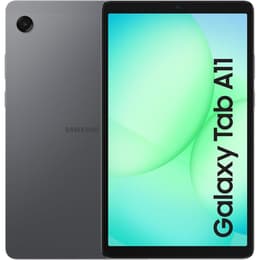
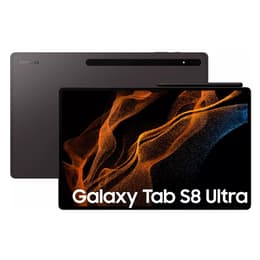
Galaxy Tab A11 (8.7", 2025) Vs Galaxy Tab S8 (11.0", 2022)
- 1-year minimum warranty
- Free delivery on all orders
- Free 30-day returns
Differences at a glance
The Samsung Galaxy Tab A11 (2025) and the Samsung Galaxy Tab S8 (2022) represent two distinct approaches to portable computing within Samsung's tablet lineup. While the Galaxy Tab A11 is a compact, recent release focused on everyday utility and portability, the larger Galaxy Tab S8 is a high-performance device built for demanding workflows. They differ primarily in physical scale, processing capabilities, and target use cases, while running modern versions of the Android operating system.
Available Models
Colour
Storage
Scores
Durability
Both tablets offer distinct life expectancy profiles shaped by their release timelines and hardware architecture, influencing long-term software support and durability.
- Release timeline and software support: The Galaxy Tab A11 benefits from a newer 2025 release window, ensuring extended software update longevity, whereas the Galaxy Tab S8 launched in 2022 and operates further along its official update lifecycle.
- Build and structural longevity: The Galaxy Tab S8 features robust aluminum construction designed for high-end durability, while the Galaxy Tab A11 utilizes practical materials suited for daily handling.
- Expected practical lifespan: Both devices maintain reliable daily utility over several years, though software-focused users may lean toward the newer model for extended operating system support.
Year of Release
2025
2022
OS
Android
Android
Performance
Performance capabilities vary significantly between the two models, directly impacting how each handles multitasking, media consumption, and demanding applications.
- Processor capabilities and multitasking: The Galaxy Tab S8 features a high-tier current-generation processor configuration that handles demanding applications, graphic-heavy gaming, and intensive multitasking smoothly, while the Galaxy Tab A11 utilizes an efficient mid-range processor well-suited for web browsing, streaming, and standard everyday tasks.
- Memory and storage configurations: The Galaxy Tab S8 provides higher baseline RAM configurations for seamless app switching, whereas the Galaxy Tab A11 offers practical storage options with microSD expansion support for media files.
- Battery behavior: The Galaxy Tab A11's energy-efficient hardware balances its compact battery capacity for standard daily use, while the larger Galaxy Tab S8 accommodates a higher-capacity battery to support its brighter, larger display.
Screen quality
Display characteristics define the core visual experience of each tablet, catering to different viewing preferences and mobility requirements.
- Display size and format: The Galaxy Tab A11 provides a compact 8.7-inch screen optimized for single-handed reading and travel, whereas the Galaxy Tab S8 offers an expansive 11.0-inch display suited for split-screen productivity and media viewing.
- Refresh rate and fluidity: Both tablets support high refresh rates—with the Tab A11 offering a 90Hz panel and the Tab S8 utilizing a 120Hz display—ensuring smooth scrolling and responsive touch interaction.
- Resolution and panel clarity: The Galaxy Tab S8 employs a higher-resolution LTPS panel with sharp detail reproduction, while the Tab A11 utilizes a standard WXGA+ TFT display adequate for everyday multimedia consumption.
Resolution
800x1340
1600 x 2560
Pixel density
180ppp
280ppp
Audiovisual
Multimedia and capture features differ to match the different form factors and intended environments of each device.
- Camera systems: The Galaxy Tab S8 includes a dual-camera array on the rear alongside a wide-angle front sensor suited for video conferencing, while the Galaxy Tab A11 features a simpler single rear and front camera setup for casual snapshots and basic video calls.
- Audio output: The Galaxy Tab S8 delivers a robust multi-speaker media consumption experience, complemented by the Galaxy Tab A11's stereo speakers featuring enhancement technology for clear everyday audio.
- Microphone performance: Both models include capable microphone arrays for voice recording and virtual meetings, though the Tab S8 incorporates advanced noise reduction suited for professional environments.
Miscellaneous
Practical physical and connectivity differences shape how each tablet integrates into travel, work, and daily routines.
- Portability and handling: The Galaxy Tab A11 weighs approximately 335 grams with a compact 8.7-inch footprint, making it exceptionally easy to carry, whereas the heavier 503-gram Galaxy Tab S8 requires two hands or a stand for extended viewing sessions.
- Connectivity options: Both models support reliable Wi-Fi standards and Bluetooth pairing, with select configurations offering cellular connectivity for mobile data access on the go.
- Physical inputs: The Galaxy Tab A11 retains a traditional 3.5mm headphone jack for wired audio accessories, a feature omitted on the slimmer Galaxy Tab S8 profile.
Weight
335 g
503 g
Screen size (in)
8.7
11.0
Network
Wi-Fi
Wi-Fi
Carrier compatibility
Without SIM Port
Unlocked
Connector
USB Type-C
USB Type-C
What the community thinks
Real-world user feedback highlights distinct preferences for each device across online communities. Users frequently praise the Galaxy Tab A11 for its lightweight portability, compact size, and user-friendly design that fits easily into small bags. Conversely, owners of the Galaxy Tab S8 commend its expansive screen estate, rapid system responsiveness, and smooth visual refresh rate. Common criticisms point out that the Tab A11's display resolution is basic for detailed media work, while the Tab S8 can feel heavy during prolonged handheld reading.
Users prioritizing maximum portability, single-handed comfort, and a compact travel companion will find the Galaxy Tab A11 well-suited to their needs. On the other hand, users focusing on expansive screen space, heavy multitasking, and high-tier processing performance will lean toward the Galaxy Tab S8. For those seeking a sustainable choice, a quality-assured refurbished option provides an eco-friendly alternative for acquiring either model without compromising on functional reliability.










