


Compare models
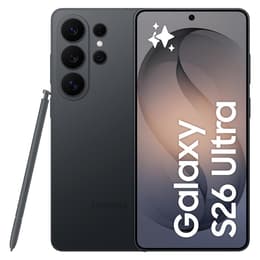
Galaxy S26 Ultra Vs Google Pixel 8 Pro
- 1-year minimum warranty
- Free delivery on all orders
- Free 30-day returns
Differences at a glance
The Samsung Galaxy S26 Ultra (2026) and the Google Pixel 8 Pro (2023) are prominent Android smartphones designed to deliver high-tier mobile experiences. While they hail from different release years, both serve consumers looking for large-screen capability and advanced system features. The Galaxy S26 Ultra runs on Android with Samsung's custom interface, whereas the Pixel 8 Pro operates on a clean software experience directly from Google.
Available Models
Colour
Storage (GB)
Scores
Durability
Both devices are built for long-term usage, though their release schedules and software windows differ significantly in practical timelines.
- Software Support: The Galaxy S26 Ultra benefits from an extended multi-year update window spanning up to seven major operating system upgrades. Similarly, the Pixel 8 Pro matches this long-term commitment, ensuring seven full years of security patches and system updates from its launch date.
- Hardware Build and Repairability: Both models utilize robust aluminum frames and reinforced glass layers designed to withstand daily wear. Professional repair networks find both handsets similarly structured for component replacements, though obtaining parts for newer releases can vary.
- Expected Lifespan: Because both devices feature high-capacity batteries and enduring software commitments, they easily retain practical usability across several years of ownership. Choosing a quality-assured refurbished option provides a sustainable choice that extends device lifecycles while maintaining reliable daily performance.
Year of Release
2026
2023
Compatible with latest Update
Yes
Yes
Foldable
No
No
Performance
Performance capabilities vary based on internal hardware generations, influencing how each phone handles multitasking, gaming, and daily tasks.
- Storage and Multitasking: The Galaxy S26 Ultra starts with higher baseline storage tiers and generous random access memory configurations, ensuring seamless switching between heavy applications. The Pixel 8 Pro offers efficient memory management that keeps everyday navigation smooth, though intensive multi-app workflows may require more frequent background reloading.
- System Responsiveness: The Galaxy S26 Ultra handles complex 3D gaming and demanding productivity tools with high thermal efficiency and rapid app-launch speeds. The Pixel 8 Pro manages standard streaming, web browsing, and photography processing smoothly, though heavy computational tasks run slightly slower compared to newer hardware.
- Battery Behavior: Both smartphones pack large battery capacities designed to last through a typical day of moderate use. Power users executing sustained high-drain tasks on either device may need a midday top-up depending on screen brightness settings.
Screen quality
Display technology on both handsets delivers sharp text, vibrant colors, and smooth motion reproduction for media consumption.
- Display Panel and Clarity: The Galaxy S26 Ultra features a spacious, flat-edged organic light-emitting diode panel with high resolution. The Pixel 8 Pro utilizes a bright adaptive panel that dynamically adjusts refresh rates to balance motion smoothness with energy conservation.
- Outdoor Visibility: Both screens reach high maximum luminance levels, ensuring that text and images remain legible under direct sunlight. Automatic brightness sensors react swiftly to changing ambient lighting conditions.
- Motion and Refresh Rate: Supporting high refresh rates up to 120Hz, both devices offer fluid scrolling through web pages, social feeds, and user interfaces.
Resolution
1440 x 3120
1344 x 2992
Audiovisual
Optics and media playback systems on these devices cater to photography enthusiasts and everyday content creators alike.
- Camera Hardware: The Galaxy S26 Ultra equips a ultra-high-resolution primary sensor alongside versatile zoom lenses for capturing distant subjects. The Pixel 8 Pro relies on computational photography algorithms paired with capable main, ultra-wide, and telephoto lenses to render balanced exposures and natural skin tones.
- Low-Light and Video: Both phones capture detailed night scenes with minimal visual noise, supported by dedicated processing software. Video recording remains stable and clear, with reliable microphone arrays isolating voices effectively during calls and video messages.
- Audio Output: Built-in stereo speakers provide balanced sound reproduction suitable for casual podcast listening and video streaming without external accessories.
Front camera
12.0
10.5 megapixels
Miscellaneous
Connectivity standards, physical dimensions, and daily handling characteristics shape how these devices fit into varied lifestyles.
- Connectivity and Ports: Both models support rapid 5G cellular networks, modern Wi-Fi standards, and Bluetooth pairing. Each device uses a reversible USB Type-C port for charging and data transfer, omitting legacy headphone jacks.
- Security and Sensors: Secure authentication is handled via responsive under-display fingerprint sensors and facial recognition systems.
- Size and Handling: Both units feature large form factors that require two-handed operation for comfortable reach across the display. Their substantial weight reflects their large battery sizes and robust protective glass construction.
Weight
214 g
213 g
Screen size (in)
6.9
6.7
Network
5G
5G
SIM card
Physical SIM + eSIM
Physical SIM + eSIM
Carrier compatibility
Unlocked
Unlocked
What the community thinks
When evaluating user sentiment from online communities, owners of the Galaxy S26 Ultra frequently praise its raw processing capability, extensive zoom options, and expansive workspace. Common discussions note its substantial physical footprint and premium weight as minor trade-offs for its large screen size. Meanwhile, Pixel 8 Pro users heavily praise its intuitive software clean design, reliable photo processing, and helpful context-aware assistant features. Some users mention that intensive gaming causes the device to warm up faster than competing hardware.
Users prioritizing maximum processing headroom, advanced telephoto zoom versatility, and extensive internal storage configurations may prefer the Galaxy S26 Ultra. Conversely, users valuing clean software integration, natural photographic rendering, and streamlined daily interactions will find the Pixel 8 Pro well-suited to their needs. Exploring a quality-assured refurbished option provides an eco-friendly alternative for acquiring either model while supporting sustainable consumption habits. Ultimately, the choice depends on whether your daily routine leans toward raw multi-tasking power or streamlined software intelligence.