
Samsung

Compare models
Differences at a glance
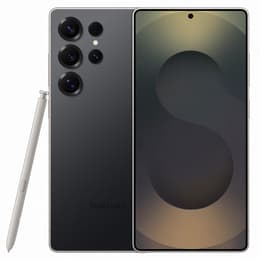
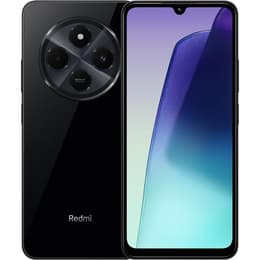
The Samsung Galaxy S25 Ultra and the Xiaomi Redmi 14C represent distinct segments within the smartphone market, offering different experiences tailored to varied user needs. The Galaxy S25 Ultra, released in early 2025, is a high-end flagship device running on Android 15 with Samsung's One UI. In contrast, the Xiaomi Redmi 14C, launched in late 2024, positions itself as an accessible option, operating on Android 14 with Xiaomi's HyperOS. The primary differences between these two models lie in their processing power, camera capabilities, and overall build quality, catering to users with different priorities for their mobile technology.
Colour
Storage
When considering the long-term usability of these devices, their release timelines and software support policies play a significant role.
Year of Release
The performance capabilities of these two smartphones are tailored to different user expectations and demands.
The visual experience offered by each device differs significantly due to their display technologies and specifications.
The camera systems on these smartphones cater to different levels of photographic ambition and capability.
Beyond core performance, several practical elements differentiate these two devices in daily use.
Screen size (in)
Network
SIM card
Carrier compatibility
The Samsung Galaxy S25 Ultra and the Xiaomi Redmi 14C cater to distinct user demographics, each excelling in different areas. User feedback for the Galaxy S25 Ultra frequently praises its exceptional performance, versatile and high-quality camera system, and the long-term software support provided by Samsung. Many users appreciate its vibrant display and the added functionality of the S Pen. Some common criticisms, however, occasionally point to its substantial size and weight, which might not suit all users, and some durability tests have suggested that while drop resistance may be improved, scratch resistance might be similar to or slightly less than its predecessor.
For the Xiaomi Redmi 14C, users often highlight its smooth 120Hz display, dependable battery life for moderate use, and overall value for its segment. Its inclusion of a headphone jack and expandable storage are also frequently noted as positive aspects. Criticisms sometimes revolve around its mid-range processor, which, while capable for daily tasks, may not offer the same level of performance for demanding applications or heavy multitasking as higher-end devices. Its camera system is generally considered good for its class but not on par with flagship offerings.
Users prioritizing cutting-edge performance, advanced photography and videography capabilities, and the longest possible software support will find the Samsung Galaxy S25 Ultra well-suited to their needs. Its premium build and integrated S Pen also appeal to those seeking a comprehensive flagship experience. Conversely, users who prioritize a smooth display, solid battery life for everyday use, and essential smartphone features without the need for top-tier performance may lean towards the Xiaomi Redmi 14C. It serves as a practical and approachable option for those seeking a reliable device for daily communication and media consumption.
For those considering either device, exploring quality-assured refurbished options can provide an eco-friendly alternative, offering access to these technologies in a more sustainable way.