
Galaxy S25 Ultra Vs iPhone 16 Plus

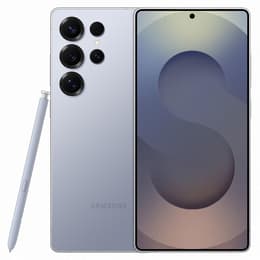
Galaxy S25 Ultra
Galaxy S25 Ultra
Starting at

Refurbished price:735.00

Versus €1,408.78 new

See options
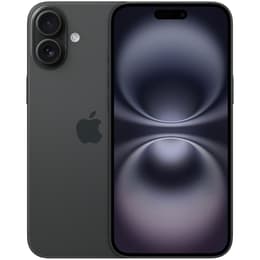
iPhone 16 Plus
iPhone 16 Plus
Starting at

Refurbished price:559.00

Versus €979.00 new

See options

Ratings

The Samsung Galaxy S25 Ultra, released in February 2025, and the iPhone 16 Plus, launched in September 2024, represent distinct approaches to high-end smartphone design and functionality. While both devices offer premium experiences, they differentiate themselves through their operating systems, camera systems, and user interaction philosophies. The Galaxy S25 Ultra operates on Android 15, emphasizing customization and a versatile camera array, whereas the iPhone 16 Plus runs on iOS 18, focusing on a streamlined user experience and integrated ecosystem features.

Scores

Durability

When considering the long-term usability of these devices, several factors contribute to their expected practical lifespan.

  • Release Timeline and Software Support: The Galaxy S25 Ultra, released in February 2025, benefits from Samsung's commitment to providing up to seven major Android OS updates, extending its software relevance well into the future. The iPhone 16 Plus, released in September 2024, typically receives iOS updates for approximately five to six years from its launch, ensuring a consistent and secure software experience for a considerable period.
  • Physical Durability: The Galaxy S25 Ultra features a titanium frame and Corning Gorilla Armor 2 on both its front and back, offering robust protection against drops and scratches. The iPhone 16 Plus utilizes a Ceramic Shield front and a color-infused glass back, encased in an aluminum frame, also providing a high level of durability. Both devices carry an IP68 rating for dust and water resistance, indicating they can withstand immersion in water up to 1.5 meters for 30 minutes.
  • Repairability: While specific repairability scores can vary, both manufacturers design their devices with a balance of durability and serviceability. Users seeking to extend the life of their device beyond its initial purchase might consider quality-assured refurbished options, which offer a sustainable choice for continued use.

Year of Release

2025

2024

Compatible with latest Update

Yes

Yes

Foldable

No

No

Performance

Both the Galaxy S25 Ultra and the iPhone 16 Plus are equipped with advanced internal components designed for smooth and efficient operation.

  • Processing Power: The Galaxy S25 Ultra is powered by a current-generation Qualcomm Snapdragon 8 Elite processor, enabling it to handle demanding applications, complex multitasking, and graphics-intensive games with fluidity. The iPhone 16 Plus features Apple's A18 chip, which provides responsive performance across iOS applications, efficient handling of AI features, and smooth gaming experiences.
  • Memory and Storage: The Galaxy S25 Ultra typically comes with 12GB of RAM in most regions, with some specific markets offering 16GB, supporting extensive multitasking without slowdowns. Storage options range from 256GB to 1TB, catering to users with large media libraries or numerous applications. The iPhone 16 Plus includes 8GB of RAM, optimized for iOS's memory management, and offers storage capacities of 128GB, 256GB, and 512GB. Neither device supports expandable storage via microSD cards.
  • Battery Performance: The Galaxy S25 Ultra houses a 5000mAh battery, with user reports indicating it can last a full day of typical use, often with a significant charge remaining, and sometimes extending into a second day. The iPhone 16 Plus, with its 4674mAh battery, is noted for its extended battery life, with many users reporting it comfortably lasts into a second day of use. Both devices support fast charging, with the Galaxy S25 Ultra offering 45W wired charging and the iPhone 16 Plus supporting 25W wired charging.

Memory (GB)

12 GB

8 GB

Screen quality

The visual experience on both smartphones is delivered through high-quality displays, though with some key differences in technology and characteristics.

  • Display Technology and Resolution: The Galaxy S25 Ultra features a 6.9-inch Dynamic LTPO AMOLED 2X display, offering a sharp QHD+ resolution of 1440 x 3120 pixels, resulting in a high pixel density. This display technology provides deep blacks and vibrant colors. The iPhone 16 Plus comes with a 6.7-inch Super Retina XDR OLED display, featuring a resolution of 2796 x 1290 pixels, which translates to approximately 460 pixels per inch.
  • Brightness and Refresh Rate: The Galaxy S25 Ultra's display boasts a peak brightness of up to 2600 nits, making it highly visible even in bright outdoor conditions, and supports a 120Hz adaptive refresh rate for smooth scrolling and animations. It also includes an anti-reflective coating for improved outdoor viewing. The iPhone 16 Plus offers a peak outdoor brightness of 2000 nits and a typical maximum brightness of 1000 nits, ensuring good visibility in various lighting environments. However, its display maintains a standard 60Hz refresh rate.
  • Special Features: The Galaxy S25 Ultra incorporates ProScaler, an AI-based upscaling technology designed to enhance lower-resolution content to better fit its high-resolution display. The iPhone 16 Plus features the Dynamic Island, an interactive area at the top of the display that adapts to show alerts, activities, and notifications.

Resolution

1080 x 2340 pixels

1290 x 2796

Audiovisual

Both devices offer sophisticated camera systems designed to capture high-quality photos and videos, though with different configurations and strengths.

  • Rear Camera Systems: The Galaxy S25 Ultra is equipped with a versatile quad-camera setup, including a 200MP main sensor, a 50MP ultrawide lens, a 10MP telephoto lens with 3x optical zoom, and a 50MP periscope telephoto lens offering 5x optical zoom. This configuration provides extensive zoom capabilities and detailed imagery. The iPhone 16 Plus features an advanced dual-camera system, comprising a 48MP Fusion main camera that can also provide 2x optical-quality telephoto shots, and a 12MP ultrawide camera that supports macro photography.
  • Photography Performance: The Galaxy S25 Ultra is praised for its strong zoom performance, good low-light capabilities, and vibrant color reproduction, though some users note that colors can appear oversaturated. It also includes AI enhancements for photo editing. The iPhone 16 Plus delivers detailed photos with good dynamic range and natural colors across various lighting conditions, and its ultrawide camera shows improved low-light performance. It also features Photographic Styles for customizable image looks.
  • Video Recording and Additional Features: The Galaxy S25 Ultra supports 8K video recording at 30 frames per second and offers features like LOG capture for professional color grading. Its stabilization is effective for both photos and videos. The iPhone 16 Plus records 4K Dolby Vision video and includes features like Cinematic mode and Action mode for enhanced video capture. It also introduces a Camera Control button for more tactile adjustments to camera settings and supports Spatial video capture for viewing on compatible devices.

Front camera

8K@24/30fps

12 megapixels

Miscellaneous

Beyond core performance and display, several practical elements contribute to the overall user experience of these smartphones.

  • Connectivity and Ports: Both devices support 5G cellular connectivity and the latest Wi-Fi 7 standard, ensuring fast and reliable wireless communication. They also feature Bluetooth 5.3 for connecting to accessories. The Galaxy S25 Ultra uses a USB-C port for charging and data transfer. The iPhone 16 Plus has transitioned to a USB-C port, offering broader compatibility with accessories.
  • Biometric Security and User Interaction: The Galaxy S25 Ultra incorporates an ultrasonic in-screen fingerprint sensor for secure unlocking. It also includes the S Pen, offering precise input for notes, drawing, and navigation. The iPhone 16 Plus relies on Face ID for secure facial recognition and features the Dynamic Island for interactive alerts and activities. It also includes an Action Button, customizable for quick access to various functions.
  • Design and Build: The Galaxy S25 Ultra has dimensions of 162.8 x 77.6 x 8.2 mm and weighs 218 grams. It features a titanium frame and a flat design. The iPhone 16 Plus measures 160.9 x 77.8 x 7.8 mm and weighs 199 grams, presenting a slightly lighter and thinner profile. Both devices offer premium build materials and an IP68 rating for water and dust resistance.

Weight

2 g

199 g

Screen size (in)

6.9

6.7

Network

5G

5G

SIM card

Physical SIM + eSIM

eSIM

Carrier compatibility

Unlocked

Unlocked

Connector

USB-C

USB-C (USB 2)

User feedback for the Galaxy S25 Ultra often highlights its exceptional display quality, with its high brightness and anti-reflective coating being frequently praised for outdoor visibility. The versatility and zoom capabilities of its camera system also receive positive remarks, particularly for capturing distant subjects with clarity. However, some users have noted that the camera's processing can lead to overly vibrant colors and that the selfie camera might not be as strong as the rear setup. Battery life is generally considered good, often lasting a full day, though some long-term reviews suggest it might not be as outstanding as initially perceived under heavy use.

For the iPhone 16 Plus, common praise centers on its impressive battery life, with many users reporting it can easily last into a second day of use. The camera system is appreciated for its consistent performance, natural colors, and improved low-light capabilities, especially for the ultrawide lens. The inclusion of the Action Button and Camera Control button are also seen as useful additions for enhanced user interaction. A frequent criticism, however, is the absence of a dedicated telephoto lens, which is present in the Pro models and many competing Android flagships. Its 60Hz refresh rate display is also sometimes mentioned as a point of comparison against devices with higher refresh rates.

Users prioritizing a highly versatile camera system with extensive zoom capabilities, a customizable Android experience, and a very bright, high-resolution display may find the Samsung Galaxy S25 Ultra well-suited to their needs. Conversely, those who value exceptional battery longevity, a streamlined iOS ecosystem, consistent camera performance with natural color reproduction, and a slightly lighter design may lean toward the iPhone 16 Plus. Both devices offer robust performance and durability, and for those considering a more eco-friendly option, quality-assured refurbished models of either device can provide a sustainable choice.


See all articles

Our recent comparisons