

Galaxy S10 Vs Galaxy S20 FE

Galaxy S10
Galaxy S10
Starting at
€144.00
€909.00 new
See options
Galaxy S20 FE
Galaxy S20 FE
Starting at
€133.00
€779.00 new
See options

Ratings

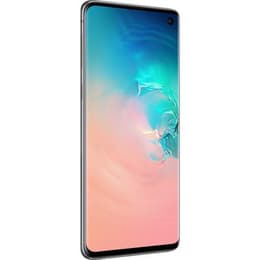
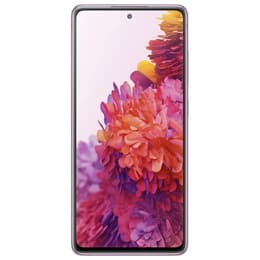
The Samsung Galaxy S10, released in March 2019, was a premium flagship device, while the Galaxy S20 FE (Fan Edition), launched in October 2020, aimed to deliver core flagship features at a slightly different positioning. Both Android smartphones offer a robust user experience, but the S20 FE introduces a newer processor, a high refresh rate display, and extended software support, setting it apart from its predecessor.

Scores

Durability

When considering longevity, the release timeline and ongoing software support are key factors.

  • Release Timeline and Software Support: The Galaxy S10, released in March 2019, has reached the end of its major Android OS update cycle, typically receiving three generations of Android updates. In contrast, the Galaxy S20 FE, launched in October 2020, benefits from a later release date and has received extended software support, potentially up to Android 14, offering more years of current Android features and security patches.
  • Repairability and Build Materials: The Galaxy S10 features a glass front and back (Gorilla Glass 6 and 5 respectively) with an aluminum frame, providing a premium feel but making it susceptible to damage on both sides. iFixit gave the Galaxy S10 a low repairability score of 3 out of 10, noting difficulties with glued-in batteries and soldered charging ports. The Galaxy S20 FE, while also IP68 rated for dust and water resistance, utilizes a glass front (Gorilla Glass 3) and a plastic back within an aluminum frame, which may offer slightly more resilience against drops compared to a full glass construction.
  • Expected Practical Lifespan: For users prioritizing the latest software features and security updates, the Galaxy S20 FE offers a longer practical lifespan due to its more recent launch and extended software commitment. Users who are comfortable with an older Android version and rely less on the newest features might find the S10 still capable for everyday tasks.

Year of Release

2019

2020

Compatible with latest Update

No

No

OS

Android

Android

Foldable

No

No

Performance

Performance differences are notable between these two devices, particularly concerning processing power and battery endurance.

  • Processor Capabilities: The Galaxy S10 typically features either the Exynos 9820 or the Snapdragon 855 processor, depending on the region. The Galaxy S20 FE (especially the more prevalent 5G variant) is powered by the Qualcomm Snapdragon 865, which offers improved overall system responsiveness and more efficient handling of demanding applications and games. This makes the S20 FE better suited for users engaging in intensive mobile gaming or heavy multitasking in the long term.
  • Storage and RAM: Both devices offer various internal storage configurations, typically starting at 128GB. The Galaxy S10 allows for microSD expansion up to 512GB, utilizing a shared SIM slot on dual-SIM models. The Galaxy S20 FE also supports microSD expansion up to 1TB, providing ample space for media and applications. Both devices commonly come with 6GB or 8GB of RAM, providing sufficient memory for most user scenarios.
  • Battery Behavior: The Galaxy S10 is equipped with a 3400 mAh battery, supporting wireless charging and Wireless PowerShare. The Galaxy S20 FE significantly improves on this with a larger 4500 mAh battery, offering better endurance for all-day use for many users. It also supports faster wired charging and 15W wireless charging.

Memory

8 GB

8 GB

Screen quality

The displays on both smartphones offer a vibrant viewing experience, but differ in key specifications.

  • Display Technology and Resolution: The Galaxy S10 features a 6.1-inch Dynamic AMOLED display with a Quad HD+ resolution (1440 x 3040 pixels), resulting in a very sharp image. The Galaxy S20 FE comes with a slightly larger 6.5-inch Super AMOLED display, offering Full HD+ resolution (1080 x 2400 pixels). While the S10 has a higher pixel density, the S20 FE's display still provides clear and vibrant visuals for everyday use.
  • Refresh Rate and Smoothness: A key difference lies in the refresh rate. The Galaxy S10 features a standard 60Hz refresh rate. The Galaxy S20 FE, however, boasts a 120Hz refresh rate, which translates to noticeably smoother scrolling, more fluid animations, and a more responsive feel during gaming and general navigation. This can significantly enhance the user experience, particularly for those who prioritize visual fluidity.
  • Brightness and Viewing Experience: Both devices offer HDR10+ certification, providing good contrast and color reproduction for watching videos and viewing photos. The S20 FE's display can reach high brightness levels for comfortable outdoor viewing, comparable to other S20 series phones.

Resolution

1440 x 3040

1080 x 2400

Screen type

Dynamic AMOLED

Super AMOLED

Audiovisual

Both smartphones provide versatile camera systems capable of capturing quality images and videos.

  • Rear Camera System: The Galaxy S10 features a triple rear camera setup, including a 12MP wide-angle lens with a variable aperture, a 12MP telephoto lens with 2x optical zoom, and a 16MP ultrawide lens. The Galaxy S20 FE also offers a triple camera system with a 12MP main sensor, a 12MP ultrawide, and an 8MP telephoto lens, notably providing 3x optical zoom. The S20 FE's telephoto lens offers a greater optical zoom range, which can be beneficial for capturing distant subjects with clarity.
  • Low-light and Everyday Photography: Both devices include Optical Image Stabilization (OIS) on their main and telephoto lenses, aiding in sharper photos and more stable videos, especially in challenging conditions. User reviews generally indicate that both perform well in good lighting, producing vibrant and detailed images. The S20 FE's larger main sensor and improved multi-frame processing can lead to richer, more vibrant images, even in low light, with a capable Night mode.
  • Video Recording and Front Camera: Both phones can record 4K video at 60 frames per second with their rear cameras. For selfies, the Galaxy S10 has a 10MP front camera with Dual Pixel PDAF, while the Galaxy S20 FE features a higher resolution 32MP front camera, capable of 4K video recording at 60fps, which can result in more detailed self-portraits and video calls.

Main camera

12 megapixels

12 megapixels

Front camera

10 megapixels

32 megapixels

Miscellaneous

Beyond core performance and display, several practical features and design elements differentiate these two Samsung smartphones.

  • Connectivity Options: The Galaxy S10 was one of the first smartphones to support Wi-Fi 6, offering faster and more stable connections in crowded network environments, and also features Bluetooth 5.0. The Galaxy S20 FE also supports Wi-Fi 6 and Bluetooth 5.0, but a significant advantage for the S20 FE (specifically its Snapdragon variants) is its inclusion of 5G connectivity, providing access to faster mobile data speeds where available.
  • Ports and Biometrics: The Galaxy S10 retains a 3.5mm headphone jack, a feature absent in the Galaxy S20 FE. Both devices use a USB-C port for charging and data transfer, though the S20 FE uses the slightly newer USB 3.2 standard compared to the S10's USB 3.1. For security, the S10 incorporates an ultrasonic in-display fingerprint sensor, while the S20 FE uses an optical in-display fingerprint sensor.
  • Design and Handling: The Galaxy S10 is a more compact and lighter device at 157g, with dimensions of 149.9 x 70.4 x 7.8 mm, making it easier for one-handed use. The Galaxy S20 FE is larger and heavier at 190g with dimensions of 159.8 x 74.5 x 8.4 mm, which might appeal to users preferring a larger screen, though its plastic back offers a different feel compared to the S10's glass back. Both devices feature IP68 water and dust resistance, offering protection against the elements.

Weight

157 g

190 g

Screen size (in)

6.1

6.5

Network

4G

4G

SIM card

Dual Physical SIM

Dual Physical SIM

Carrier compatibility

Unlocked

Unlocked

User feedback for the Galaxy S10 often praised its compact size, premium glass design, and the inclusion of a headphone jack and QHD+ display. Common criticisms for the S10 included its relatively smaller battery capacity and, over time, the end of major software updates. The Galaxy S20 FE, on the other hand, typically received positive remarks for its smoother 120Hz display, larger battery, and improved processor performance, especially for the Snapdragon variants. Some users noted the plastic back as a departure from traditional flagships, though others appreciated its practical durability. Its later release date also provides a longer period of official software support.

For users prioritizing a more compact device with a higher-resolution screen and a traditional headphone jack, the Galaxy S10 could still be a consideration, though its software support has largely concluded. However, for those seeking extended software longevity, a noticeably smoother display experience, significantly better battery life, and the benefits of 5G connectivity, the Galaxy S20 FE presents a more future-proof option. Students and professionals who need a device that can keep up with modern apps and offers a full day's battery without concern would likely find the S20 FE better suited. As a quality-assured refurbished option, either device provides an eco-friendly alternative to purchasing new, allowing consumers to make an informed and sustainable choice based on their specific priorities.








