

Galaxy S23+ Vs Google Pixel 9

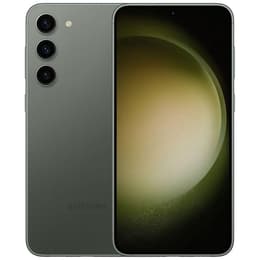
Galaxy S23+
Galaxy S23+
Starting at

Refurbished price:293.00

Versus €1,019.00 new

See options
Google Pixel 9
Google Pixel 9
Starting at

Refurbished price:386.00

Versus €1,066.71 new

See options

Ratings

The Samsung Galaxy S23 Plus, released in February 2023, and the Google Pixel 9, launched in August 2024, are both premium Android smartphones. While the Galaxy S23 Plus offers a refined design and a powerful, efficient processor, the Pixel 9 distinguishes itself with a strong focus on advanced computational photography and an extended software support policy. Both devices run on the Android operating system, providing users with a wide range of customization and application options.

Scores

Durability

When considering the long-term usability of these devices, their release timelines and software support policies are key factors.

  • Release Timeline: The Galaxy S23 Plus was released in February 2023, making it an earlier model compared to the Google Pixel 9, which launched in August 2024. This difference in release dates inherently gives the Pixel 9 a longer potential lifespan in terms of receiving the latest software and security updates.
  • OS Support Duration: Google has committed to seven years of OS and security updates for the Pixel 9, ensuring it remains current and secure for an extended period. The Galaxy S23 Plus, while offering a robust update policy, typically receives four generations of OS updates and five years of security updates. This means the Pixel 9 is designed for a significantly longer software longevity.
  • Practical Lifespan: Both devices feature durable builds with Gorilla Glass Victus 2 protection and IP68 ratings for dust and water resistance, contributing to their physical longevity. However, the Pixel 9's extended software support means it will continue to receive new features and security patches for a longer duration, potentially making it a more viable device for users who prefer to keep their phones for many years.

Year of Release

2023

2024

Compatible with latest Update

Yes

Yes

OS

Android

Android

Foldable

No

No

Performance

The performance of a smartphone is crucial for daily tasks, from app usage to multitasking and gaming.

  • Processor Capabilities: The Galaxy S23 Plus is equipped with a processor known for its strong overall performance, handling demanding applications and multitasking with efficiency. Users report smooth operation and a lack of overheating even during extended use. The Pixel 9 features a newer generation processor designed to enhance AI capabilities and overall system responsiveness. While it excels in everyday tasks and AI-driven features, some user reviews suggest its raw gaming performance might not match the absolute highest tiers.
  • Battery Behavior: The Galaxy S23 Plus houses a 4700 mAh battery, which users have found to provide excellent endurance, often lasting a full day or more with moderate use. The Pixel 9 also comes with a 4700 mAh battery and has shown significant improvements in battery life compared to its predecessors, with many users reporting it comfortably lasts a full day, even with heavy usage.
  • Storage and Responsiveness: Both devices offer ample internal storage options, typically starting from 128GB or 256GB, and feature fast RAM (8GB for S23 Plus, 12GB for Pixel 9) to ensure smooth app loading and efficient multitasking. The Pixel 9's higher RAM capacity may offer a slight edge in managing a large number of open applications simultaneously.

Memory (GB)

8 GB

12 GB

Screen quality

The display is a primary interface for smartphone interaction, and both models offer high-quality viewing experiences.

  • Display Technology and Clarity: Both the Galaxy S23 Plus and the Pixel 9 feature vibrant OLED displays, known for deep blacks and excellent contrast. The Galaxy S23 Plus uses a Dynamic AMOLED 2X panel, while the Pixel 9 features an Actua OLED display. Both provide sharp visuals suitable for media consumption and daily use.
  • Brightness Levels: The Galaxy S23 Plus offers a peak brightness of up to 1750 nits, ensuring good visibility in various lighting conditions. The Pixel 9 boasts an upgraded display with a peak brightness of up to 2700 nits, and 1800 nits for HDR content, which can provide superior outdoor visibility and a more impactful HDR viewing experience.
  • Refresh Rate and Size: Both phones offer a 120Hz adaptive refresh rate, contributing to smooth scrolling and fluid animations. The Galaxy S23 Plus has a 6.6-inch display, providing a larger canvas for content. The Pixel 9 features a slightly more compact 6.3-inch display, which some users may find easier for one-handed operation.

Resolution

1080 x 2340

1080 x 2424

Screen type

Dynamic AMOLED 2X

OLED

Audiovisual

Both smartphones offer capable camera systems, though with different strengths and approaches to image processing.

  • Camera System Capabilities: The Galaxy S23 Plus features a versatile triple camera setup with a 50MP main sensor, a 12MP ultrawide, and a 10MP telephoto lens with 3x optical zoom. The Pixel 9 comes with a dual-camera system, including a 50MP wide-angle main camera and a 48MP ultrawide camera, with a focus on computational photography. The Pixel 9 lacks a dedicated telephoto lens, relying on digital zoom for further reach.
  • Photography Performance: The Galaxy S23 Plus delivers consistently good photos with vibrant colors and strong detail, performing well in various conditions, including low light. The Pixel 9 is highly praised for its computational photography, producing sharp, clear images with excellent dynamic range and impressive low-light performance, often considered a benchmark for other devices. Its ultrawide camera is also noted for improved detail and better low-light shots.
  • Video Recording and Audio: Both devices are capable of recording high-quality video, with the Galaxy S23 Plus supporting up to 8K resolution. The Pixel 9 offers 4K video recording at up to 60fps. User reviews indicate both provide good video stabilization. Both phones offer good speaker output for media consumption.

Main camera

50 megapixels

50 megapixels

Front camera

12 megapixels

10.5 megapixels

Miscellaneous

Beyond core features, several practical elements contribute to the overall user experience.

  • Connectivity Options: Both the Galaxy S23 Plus and the Pixel 9 support 5G connectivity for fast mobile data. The S23 Plus includes Wi-Fi 6E and Bluetooth 5.3. The Pixel 9 steps up with Wi-Fi 7 and Bluetooth 5.3, offering potentially faster and more stable wireless connections.
  • Port Types and Sensors: Both smartphones utilize a USB-C port for charging and data transfer. Neither device includes a traditional 3.5mm headphone jack. For security, both feature in-display fingerprint sensors. The Pixel 9 also supports face recognition for unlocking.
  • Weight, Dimensions, and Materials: The Galaxy S23 Plus measures 157.8 x 76.2 x 7.6 mm and weighs 195g, featuring Gorilla Glass Victus 2 on the front and back with an aluminum frame. The Pixel 9 is slightly more compact and lighter at 152.8 x 72 x 8.5 mm and 198g, also using Gorilla Glass Victus 2 for durability and an aluminum frame. The Pixel 9's design includes a distinctive camera bar that does not extend edge-to-edge.

Weight

168 g

198 g

Screen size (in)

6.6

6.3

Network

5G

5G

SIM card

Dual Physical SIM + eSIM

Physical SIM + eSIM

Carrier compatibility

Unlocked

Unlocked

Connector

USB-C

USB-C

The Samsung Galaxy S23 Plus and the Google Pixel 9 each present a compelling package for different user priorities. The Galaxy S23 Plus is often praised for its consistent performance, robust battery life, and a well-rounded camera system that delivers vibrant images. Users appreciate its refined design and the overall smooth Android experience provided by Samsung's software. Some common criticisms for the S23 Plus include its incremental upgrades over its predecessor and the absence of certain premium features found in the Ultra model.

The Google Pixel 9 receives strong acclaim for its exceptional computational photography, often producing class-leading photos, especially in challenging conditions. Its significantly extended software support policy is a major draw for users seeking long-term device longevity. Users also note improvements in battery life compared to previous Pixel generations. However, some feedback points to its processor's raw performance potentially lagging behind some competitors in intensive tasks like high-end gaming, and the lack of a dedicated telephoto lens on the standard model.

Users prioritizing a larger display, a dedicated telephoto camera, and a slightly more established ecosystem might lean towards the Galaxy S23 Plus. Conversely, users who value cutting-edge computational photography, a more compact form factor, and an industry-leading software update commitment will find the Google Pixel 9 well-suited to their needs. Both devices offer a quality-assured refurbished option, providing an eco-friendly alternative for consumers.


See all articles

Our recent comparisons