


Compare models
Galaxy S23 Ultra Vs Google Pixel 9a
- 1-year minimum warranty
- Free delivery on all orders
- Free 30-day returns
Differences at a glance
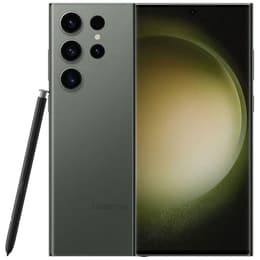
The Samsung Galaxy S23 Ultra (2023) and the Google Pixel 9a (2025) represent two distinct approaches to smartphone design, offering different balances of size, features, and release timelines. While the Galaxy S23 Ultra functions as a large-format productivity powerhouse featuring an integrated stylus, the Pixel 9a provides a more compact, streamlined user experience running on the Android operating system. These structural and generational differences shape how each device handles daily tasks and media consumption.
Available Models
Colour
Storage
Scores
Durability
When evaluating the long-term usability and physical longevity of these smartphones, several differences emerge regarding their release timelines, software update commitments, and overall repairability.
- Release timeline and software support: The Galaxy S23 Ultra launched in early 2023, whereas the Pixel 9a arrived in early 2025, giving the Google model a newer starting point for software updates and security patches. Both devices offer extended update windows, though the Pixel 9a benefits from its later release year for overall software lifespan.
- Build durability and materials: The Galaxy S23 Ultra incorporates reinforced glass protection on both sides paired with an aluminum frame, while the Pixel 9a utilizes durable front glass and an IP68 water resistance rating. Both models handle daily wear reliably, though users seeking a quality-assured refurbished option can find sustainably restored versions of both devices that undergo rigorous multi-point inspection processes.
- Expected practical lifespan: Due to robust internal components and long-term software backing, both devices maintain functional relevance for years of typical daily use, though hardware battery degradation over time applies equally to both.
Year of Release
2023
2025
Compatible with latest Update
Yes
Yes
OS
Android
Android
Foldable
No
No
Performance
Underneath the exterior, these smartphones handle storage, processing loads, and power management through distinct hardware configurations tailored to different operational demands.
- Storage and memory handling: The Galaxy S23 Ultra offers larger baseline storage configurations alongside higher random access memory options for heavy multitasking, whereas the Pixel 9a provides standard storage tiers suitable for everyday applications and media.
- Everyday system responsiveness: Both devices manage routine tasks, web browsing, and app switching smoothly. Demanding games and resource-intensive multitasking load efficiently on both models, though the Galaxy S23 Ultra handles sustained high-performance workloads with advanced thermal management.
- Battery behavior and power management: The Pixel 9a features a large 5100 mAh battery capacity that easily sustains a full day of mixed use, while the Galaxy S23 Ultra relies on a comparable 5000 mAh power cell paired with an adaptive refresh rate display to balance energy consumption during extended periods of use.
Screen quality
The visual output and display construction differ significantly in physical dimensions, sharpness, and brightness capabilities during various lighting conditions.
- Display technology and clarity: The Galaxy S23 Ultra features a large 6.8-inch Dynamic AMOLED display with a high resolution and curved edges, delivering sharp details for media and productivity. The Pixel 9a utilizes a flatter 6.3-inch OLED panel with a balanced resolution, offering clear text and vibrant colors in a more compact form factor.
- Outdoor visibility and brightness: Both screens reach high peak brightness levels, ensuring readability under direct sunlight, though the Galaxy S23 Ultra provides a slightly wider viewing area suited for detailed document editing and split-screen apps.
- Refresh rate and motion smoothness: Both devices support an adaptive 120 Hz refresh rate, ensuring fluid scrolling through web pages, social media feeds, and user interface animations.
Resolution
1440 x 3088
2424 x 1080
Audiovisual
Imaging hardware and multimedia output vary between the multi-lens array of the larger flagship and the streamlined dual-camera setup of the newer mid-range option.
- Rear camera systems: The Galaxy S23 Ultra utilizes a versatile quad-camera array led by a high-resolution 200-megapixel main sensor and dedicated telephoto lenses for distant subjects. The Pixel 9a employs a dual-camera system featuring a primary wide sensor and an ultra-wide lens, backed by computational photography software for balanced lighting and color accuracy.
- Video recording and audio output: Both models support high-resolution video capture with stabilization features for smooth handheld footage. Built-in stereo speakers on both devices deliver clear sound for hands-free calls, podcasts, and casual media playback.
- Low-light performance: Computational algorithms on both devices enhance night photography, reducing noise and preserving details in dimly lit environments without requiring manual adjustments.
Front camera
12 megapixels
13 megapixels
Miscellaneous
Practical daily usability elements, physical dimensions, and connectivity options define how comfortably each device integrates into various lifestyles.
- Physical dimensions and handling: The Galaxy S23 Ultra is a heavy, large-format device weighing 234 grams, which accommodates its embedded stylus but requires two-handed use for many tasks. The Pixel 9a is noticeably lighter at around 186 grams and features a compact profile that fits more easily into pockets and smaller bags.
- Connectivity and ports: Both smartphones support modern 5G cellular networks, Wi-Fi standards, Bluetooth connectivity, and near-field communication for contactless payments. They rely on USB-C ports for charging and data transfer, omitting traditional headphone jacks.
- Authentication sensors: Both models incorporate responsive under-display fingerprint scanners and secure facial recognition features for quick device unlocking.
Weight
233 g
186 g
Screen size (in)
6.8
6.3
Network
5G
5G
SIM card
Dual Physical SIM + eSIM
Physical SIM + eSIM
Carrier compatibility
Unlocked
Unlocked
Connector
USB-C
USB-C
What the community thinks
When deciding between these two devices, user preferences heavily dictate the ideal choice based on physical size, productivity tools, and hardware age. Users prioritizing a massive canvas for multitasking, stylus integration, and advanced zoom photography will find the Galaxy S23 Ultra well-suited to their workflow. Conversely, users prioritizing a lighter, more pocket-friendly build, a newer release year, and straightforward daily performance may lean toward the Google Pixel 9a.
Community discussions frequently praise the Galaxy S23 Ultra for its expansive display and versatile camera zoom, though some users note its bulky footprint and heavy weight can cause hand fatigue during prolonged single-handed use. Meanwhile, Pixel 9a owners frequently highlight the reliable battery longevity and clean software experience, while noting that the absence of dedicated optical zoom lenses limits distant photography. For consumers seeking a sustainable choice, opting for a quality-assured refurbished model provides an eco-friendly alternative that reduces electronic waste without compromising on functional capability.
Ultimately, evaluating whether advanced productivity additions or a streamlined, lightweight daily driver matter more will point you toward the correct option for your specific daily requirements.