
iPhone

Compare models
Differences at a glance
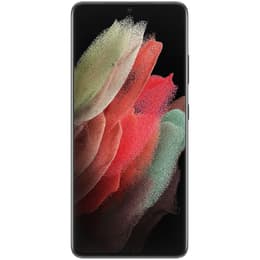
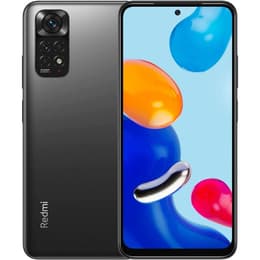
The Samsung Galaxy S21 Ultra 5G, released in early 2021, and the Xiaomi Redmi Note 11, launched in early 2022, represent distinct segments within the smartphone market. While both operate on the Android platform, the Galaxy S21 Ultra 5G is positioned as a premium device with advanced features, whereas the Redmi Note 11 focuses on delivering a balanced experience for everyday use.
Colour
Storage
When considering the long-term usability of these devices, their release timelines and software support are key factors. The Galaxy S21 Ultra 5G, being a flagship device from 2021, typically receives a longer period of major Android updates compared to the Redmi Note 11, which was released in 2022.
Year of Release
Compatible with latest Update
OS
Foldable
The performance capabilities of these two smartphones cater to different user expectations, largely influenced by their internal components and design philosophies.
The visual experience offered by each device's display presents a clear distinction in terms of technology and overall quality.
Resolution
Screen type
The camera systems on these two smartphones are designed with different levels of photographic ambition, impacting their versatility and image quality.
Main camera
Front camera
Beyond core performance and display, several practical features and design elements differentiate these two devices.
Weight
Screen size (in)
Network
SIM card
Carrier compatibility
Connector
User feedback for the Samsung Galaxy S21 Ultra 5G often highlights its exceptional camera system, particularly its versatile zoom capabilities and overall image quality, as a major strength. The vibrant and high-resolution display, coupled with smooth performance, also receives frequent praise. Some common criticisms include its large size and weight, which can make one-handed use challenging, and the impact of 5G and the high-resolution display on battery life under heavy usage. The absence of a charger in the box was also a point of contention for some users.
For the Xiaomi Redmi Note 11, users frequently commend its impressive AMOLED display for its clarity and 90Hz refresh rate, especially considering its market segment. The long-lasting battery life and the inclusion of a fast charger in the box are also often cited as positive aspects. However, common criticisms revolve around its camera performance, which is considered adequate but not outstanding, particularly in challenging lighting conditions. The lack of 5G connectivity and a less powerful processor compared to higher-end devices are also noted as limitations.
Users prioritizing a top-tier camera experience, a highly detailed and adaptive display, and robust performance for demanding applications will find the Galaxy S21 Ultra 5G well-suited to their needs. Its advanced features cater to those who require cutting-edge technology and are comfortable with a larger device. Conversely, users seeking a balanced smartphone for everyday tasks, media consumption, and reliable battery life, without the need for flagship-level performance or advanced photography features, may lean towards the Redmi Note 11. It offers a compelling set of features for its category, including a good display and strong battery endurance.
Both devices offer distinct advantages, and choosing between them depends on individual priorities. For those looking for a more sustainable choice, both models are available as quality-assured refurbished options, providing an eco-friendly alternative to purchasing new.