
iPhone

Compare models
Differences at a glance
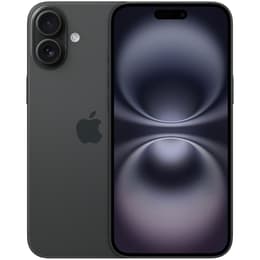
The Samsung Galaxy S23 FE, released in October 2023, and the anticipated Apple iPhone 16 Plus, expected in September 2026, represent distinct approaches to smartphone design and functionality. While the Galaxy S23 FE offers a known Android experience with established specifications, the iPhone 16 Plus is a future device, with its features based on expected generational improvements and industry predictions. This comparison will explore their core differences, focusing on how each device is likely to serve various user needs within their respective ecosystems.
Colour
Storage
When considering the practical lifespan of these devices, several factors come into play, including software support, physical resilience, and the timeline of their release.
Year of Release
Compatible with latest Update
Foldable
The performance of a smartphone is crucial for daily tasks, from app usage to demanding applications. These two devices offer different underlying architectures that translate into varied user experiences.
The display is a primary interface for smartphone interaction, and both devices offer distinct visual experiences tailored to their respective platforms.
Resolution
Screen type
Both smartphones offer capable camera systems, but with different configurations and processing philosophies that cater to various photographic preferences.
Main camera
Front camera
Beyond the core specifications, several practical elements contribute to the overall user experience and device utility.
Weight
Screen size (in)
Network
SIM card
Carrier compatibility
The Samsung Galaxy S23 FE and the anticipated iPhone 16 Plus cater to different user preferences and priorities. Users often praise the Galaxy S23 FE for its vibrant display, versatile camera system with optical zoom, and the flexibility offered by the Android operating system and Samsung's ecosystem features like DeX. Some common concerns noted by users include its battery life, which while generally sufficient for a day, might require more frequent charging for heavy users, and occasional oversaturation in camera output.
For the iPhone 16 Plus, user sentiment, based on predictions and typical Apple advancements, anticipates a highly optimized iOS experience, robust performance, and a strong camera system with new features like spatial video recording. Potential criticisms might revolve around the expected 60Hz display refresh rate, which could feel less fluid compared to many Android counterparts, and the reliance on Face ID as the sole biometric authentication method.
Users prioritizing a high refresh rate display, a dedicated telephoto lens, and the customization options of Android may find the Galaxy S23 FE well-suited to their needs. Conversely, those who value a longer software support window, the integrated Apple ecosystem, and anticipated cutting-edge performance and camera innovations may lean towards the iPhone 16 Plus. Both devices offer compelling features, and choosing between them often comes down to individual preference for operating system and specific feature sets. For those seeking a more sustainable choice, both models are available as quality-assured refurbished options, extending their life cycle and reducing electronic waste.










