

Galaxy S22+ 5G Vs iPhone 15 Pro

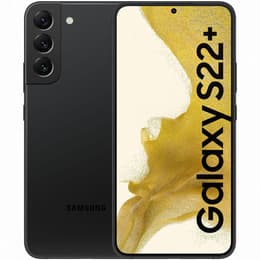
Galaxy S22+ 5G
Galaxy S22+ 5G
Starting at

Refurbished price:194.00

Versus €1,174.01 new

See options
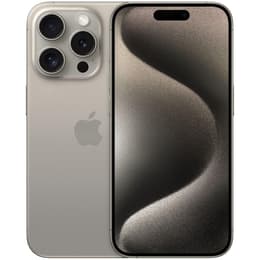
iPhone 15 Pro
iPhone 15 Pro
Starting at

Refurbished price:510.00

Versus €1,165.38 new

See options

Ratings

The Samsung Galaxy S22 Plus 5G, released in February 2022, and the Apple iPhone 15 Pro, launched in September 2023, represent distinct approaches to high-end smartphone design and functionality. While both devices offer advanced mobile experiences, they operate on different ecosystems, Android and iOS respectively, and feature hardware advancements reflecting their respective release timelines. Key differentiators include their operating systems, display sizes, and the generational leap in internal components.

Scores

Durability

When considering the practical lifespan of these devices, several factors come into play, including software support and physical resilience.

  • Software Longevity: The iPhone 15 Pro, being released in late 2023, is expected to receive major iOS updates for a longer period compared to the Galaxy S22 Plus 5G, which launched in early 2022. Apple typically provides 6-7 years of iOS updates, while Samsung generally offers 4-5 years of Android OS updates and 5 years of security updates for its flagship devices.
  • Physical Durability: Both smartphones carry an IP68 rating for dust and water resistance, indicating protection against submersion. The Galaxy S22 Plus features Gorilla Glass Victus+ on its front and back, paired with an Armor Aluminum frame. The iPhone 15 Pro utilizes a Ceramic Shield front cover and a titanium frame, which offers a high strength-to-weight ratio.
  • Repairability: The iPhone 15 Pro incorporates an internal chassis architecture designed to facilitate easier replacement of the back glass, contributing to its repairability.

Year of Release

2022

2023

Compatible with latest Update

Yes

Yes

OS

Android

iOS

Foldable

No

No

Performance

The performance of a smartphone impacts how smoothly applications run, how quickly tasks are completed, and the overall responsiveness of the user interface.

  • Processing Power: The iPhone 15 Pro features a newer generation processor, which translates to enhanced speed and efficiency for demanding applications, complex multitasking, and graphically intensive games. The Galaxy S22 Plus 5G, while capable, uses a processor from an earlier generation.
  • Multitasking and Storage: Both devices offer various storage configurations, with the iPhone 15 Pro providing options up to 1TB, while the Galaxy S22 Plus typically offers up to 256GB. The iPhone 15 Pro also includes 8GB of RAM, which supports smooth transitions between multiple open applications.
  • Battery Behavior: The iPhone 15 Pro, despite a smaller battery capacity in mAh (3,274 mAh) compared to the Galaxy S22 Plus (4,500 mAh), often delivers comparable or extended usage times due to the efficiency of its internal components and software optimization. Users of the iPhone 15 Pro can expect up to 23 hours of video playback.

Memory (GB)

8 GB

8 GB

Screen quality

The display is a primary interface for smartphone interaction, and both devices offer high-quality viewing experiences with distinct characteristics.

  • Display Technology and Size: The Galaxy S22 Plus features a larger 6.6-inch Dynamic AMOLED 2X display, providing an expansive viewing area. The iPhone 15 Pro has a 6.1-inch Super Retina XDR OLED display. Both technologies deliver deep blacks and vibrant colors.
  • Resolution and Clarity: The iPhone 15 Pro offers a resolution of 2556 x 1179 pixels at approximately 460 pixels per inch (ppi), resulting in a very sharp image. The Galaxy S22 Plus has a Full HD+ resolution (2340 x 1080 pixels).
  • Brightness and Refresh Rate: Both phones feature adaptive refresh rates up to 120Hz, ensuring smooth scrolling and fluid animations. They also boast high peak brightness levels, reaching up to 2000 nits for outdoor visibility on the iPhone 15 Pro and similar high levels on the Galaxy S22 Plus, making them suitable for use in bright conditions.

Resolution

1080 x 2340

1179 x 2556

Screen type

Dynamic AMOLED 2X

LTPO Super Retina XDR OLED

Audiovisual

Both smartphones are equipped with advanced camera systems designed to capture high-quality photos and videos in various conditions.

  • Rear Camera Systems: The Galaxy S22 Plus features a triple camera setup with a 50MP main sensor, a 12MP ultrawide, and a 10MP telephoto lens with 3x optical zoom. The iPhone 15 Pro also has a triple camera system, including a 48MP main sensor, a 12MP ultrawide, and a 12MP telephoto lens with 3x optical zoom. The iPhone 15 Pro's main camera has a larger sensor for improved low-light performance.
  • Photography Features: The iPhone 15 Pro offers advanced features like next-generation portraits with Focus and Depth Control, Night mode, and Apple ProRAW for professional-grade photo editing. The Galaxy S22 Plus also provides a comprehensive suite of photography modes.
  • Video Recording Capabilities: The iPhone 15 Pro supports 4K video recording at up to 60 frames per second, including advanced options like ProRes video recording up to 4K at 60 fps with external recording, Log video recording, and Cinematic mode. These features cater to users seeking more control over their video production.

Main camera

50 megapixels

48 megapixels

Front camera

10 megapixels

12 megapixels

Miscellaneous

Beyond core features, several practical elements contribute to the overall user experience and daily usability of these devices.

  • Connectivity: Both the Galaxy S22 Plus and the iPhone 15 Pro support 5G connectivity, Wi-Fi 6E, and Bluetooth for robust wireless communication. The iPhone 15 Pro features Bluetooth 5.3, a slightly newer standard than the Galaxy S22 Plus's Bluetooth 5.2.
  • Ports and Biometrics: The Galaxy S22 Plus uses a USB-C port and features an in-display fingerprint sensor for secure unlocking. The iPhone 15 Pro also adopts a USB-C port, marking a shift for Apple, and offers faster USB 3 data transfer speeds. It relies on Face ID for biometric authentication and introduces a customizable Action Button.
  • Design and Materials: The iPhone 15 Pro features a lightweight titanium frame and a textured matte glass back, contributing to a premium feel and reduced weight (187 grams). The Galaxy S22 Plus has an Armor Aluminum frame and a glass back, weighing slightly more.

Weight

195 g

171 g

Screen size (in)

6.6

6.1

Network

5G

5G

SIM card

Physical SIM + eSIM

eSIM

Carrier compatibility

Unlocked

Unlocked

Connector

USB-C

USB-C (USB 3)

User feedback often highlights the iPhone 15 Pro's robust performance and advanced camera capabilities, particularly for video enthusiasts and those who appreciate the iOS ecosystem's integration. Some users praise its durable titanium design and the versatility of the new Action Button. Criticisms, when present, sometimes revolve around the incremental nature of upgrades compared to its immediate predecessor for casual users. The Galaxy S22 Plus is frequently lauded for its vibrant, larger display and the flexibility offered by the Android operating system, alongside its strong overall performance for everyday tasks. Some users might note its battery life, while generally good, can vary with heavy usage.

Users prioritizing a compact device with cutting-edge processing power, advanced video recording features, and a long software support window may find the iPhone 15 Pro well-suited to their needs. Its titanium build and USB-C with faster data transfer speeds also cater to those seeking the latest in mobile technology. Conversely, individuals who prefer a larger display for media consumption and productivity, coupled with the customization options of Android, might lean towards the Galaxy S22 Plus. Both devices offer a premium smartphone experience, and choosing between them often comes down to personal preference for operating system, screen size, and specific feature priorities.

For those looking for a sustainable choice, considering a quality-assured refurbished option for either model can provide an eco-friendly alternative.


See all articles

Our recent comparisons