
Samsung

Compare models
Differences at a glance
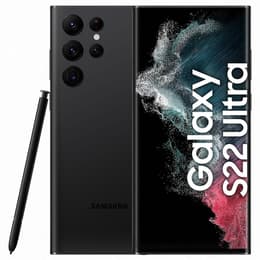
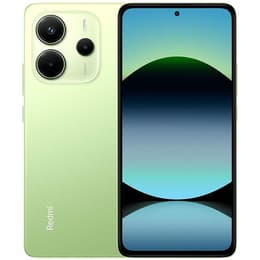
The Samsung Galaxy S22 Ultra 5G, released in February 2022, and the Xiaomi Redmi Note 14 4G, launched in late 2024 or early 2025, represent distinct approaches to smartphone design and functionality. While the Galaxy S22 Ultra 5G is a former flagship device known for its premium features and integrated stylus, the Redmi Note 14 4G positions itself as a more recent offering focusing on core user needs with an emphasis on battery life and display quality. Both devices operate on the Android platform, but they cater to different user expectations regarding performance, camera capabilities, and overall ecosystem.
Colour
Storage
When considering the longevity of these devices, their release timelines and software support policies are key factors. The Galaxy S22 Ultra 5G, being an older flagship, has already received several major Android updates since its February 2022 launch, typically receiving 4-5 years of OS updates and 5 years of security updates from Samsung. The Redmi Note 14 4G, released more recently, benefits from a robust update policy for its segment, promising 4 major Android updates and 6 years of security updates, extending its support well into the future.
Year of Release
OS
Foldable
The performance of these two smartphones varies significantly, reflecting their different market segments and release dates. The Galaxy S22 Ultra 5G, as a former flagship, offers a high-tier processing experience, while the Redmi Note 14 4G provides capable performance for everyday tasks.
The display is a primary interaction point for any smartphone, and both devices offer vibrant viewing experiences, though with notable differences in technology and specifications.
Resolution
Camera capabilities are a significant differentiator, with the Galaxy S22 Ultra 5G offering a versatile and advanced system, while the Redmi Note 14 4G focuses on a strong main sensor.
Beyond the core specifications, several practical elements contribute to the overall user experience and differentiate these two smartphones.
Weight
Screen size (in)
Network
SIM card
Carrier compatibility
The Samsung Galaxy S22 Ultra 5G and the Xiaomi Redmi Note 14 4G cater to different user priorities, reflecting their respective positions in the smartphone market. User feedback for the Galaxy S22 Ultra 5G often praises its exceptional camera system, particularly the versatile zoom capabilities, and the utility of the integrated S Pen. Its vibrant display and overall premium feel are also frequently highlighted. Some common criticisms include battery life not always meeting expectations for a flagship, especially under heavy use or on 5G networks, and occasional reports of thermal throttling.
For the Redmi Note 14 4G, users frequently commend its impressive battery life, often lasting more than a full day, and its bright AMOLED display. The long software update commitment is also a significant positive for many. However, criticisms often point to the camera system's limitations beyond the main sensor, specifically the lack of an ultrawide lens and average low-light performance. Some users have also reported occasional software stutters or bloatware within the HyperOS experience.
Users prioritizing a top-tier camera experience with advanced zoom, a premium build, and the unique functionality of an integrated stylus may find the Galaxy S22 Ultra 5G well-suited to their needs. This device is ideal for those who engage in creative tasks, extensive photography, or require a highly responsive and powerful device for demanding applications. Conversely, users who prioritize extended battery life, a modern display for media consumption, and long-term software support without needing flagship-level performance or advanced camera versatility may lean toward the Redmi Note 14 4G. It serves as a practical choice for everyday communication, social media, and light gaming. Both devices offer compelling features for their respective audiences, and considering a quality-assured refurbished option for either model can be an eco-friendly alternative to extend their lifecycle.