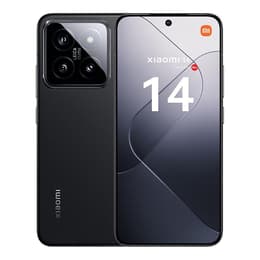


Galaxy S22 Ultra 5G Vs Xiaomi 14

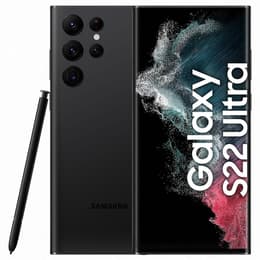
Galaxy S22 Ultra 5G
Galaxy S22 Ultra 5G
Starting at

Refurbished price:350.00

Versus €1,445.00 new

See options
Xiaomi 14
Xiaomi 14
Starting at

Refurbished price:384.00

Versus €1,099.00 new

See options

Ratings

The Samsung Galaxy S22 Ultra 5G, released in February 2022, and the Xiaomi 14, launched globally in February 2024, represent distinct approaches to high-end smartphone design and functionality. While both devices operate on the Android platform, offering a wide ecosystem of applications, they differentiate themselves through their form factors, camera philosophies, and integrated features. The Galaxy S22 Ultra 5G is notable for its larger display and integrated stylus, whereas the Xiaomi 14 emphasizes a more compact design with a newer generation processor and a camera system co-engineered with Leica.

Scores

Durability

The longevity of a smartphone is influenced by its release date, software support, and physical resilience. These two devices offer different timelines and protective measures.

  • Release Timeline: The Galaxy S22 Ultra 5G was introduced in February 2022, making it an older model compared to the Xiaomi 14, which saw its global release in February 2024. This difference in launch dates impacts the remaining period for major operating system updates and security patches.
  • Software Longevity: Samsung typically provides several years of major Android operating system updates and security updates for its flagship devices. The Xiaomi 14, being newer, benefits from a longer expected period of software support, running on Xiaomi HyperOS based on Android 14 at launch.
  • Physical Durability: Both smartphones feature an IP68 rating for dust and water resistance, indicating protection against immersion in water. The Galaxy S22 Ultra 5G utilizes Corning Gorilla Glass Victus+ for its display and back, while the Xiaomi 14 uses Gorilla Glass Victus. The Xiaomi 14 has a repairability score of 8.0 out of 10, suggesting a moderate ease of repair for certain components.

Year of Release

2022

2023

Compatible with latest Update

Yes

Yes

OS

Android

Android

Foldable

No

No

Performance

Performance in a smartphone is crucial for handling daily tasks, demanding applications, and multitasking. The core components of these devices contribute to their overall responsiveness.

  • Processing Power: The Xiaomi 14 incorporates a newer generation processor, which translates to efficient handling of demanding applications, smoother multitasking, and enhanced performance in graphically intensive games. The Galaxy S22 Ultra 5G, while still capable, features an older generation processor that capably manages everyday tasks and most applications.
  • Memory and Storage: Both devices offer various configurations of RAM and internal storage, allowing users to choose based on their needs for app management and data storage. The Xiaomi 14 is available with up to 16GB of RAM, while the Galaxy S22 Ultra 5G offers up to 12GB.
  • Battery Behavior: The Galaxy S22 Ultra 5G is equipped with a 5000 mAh battery, providing substantial power for extended use. The Xiaomi 14 features a 4610 mAh battery, which, combined with its efficient processor, aims to deliver reliable daily power. The Xiaomi 14 supports rapid wired charging, capable of reaching a full charge in approximately 31 minutes, and also offers wireless charging.

Memory (GB)

8 GB

16 GB

Screen quality

The display is a primary interface for smartphone interaction, and both devices offer high-quality visual experiences with distinct characteristics.

  • Display Technology and Size: The Galaxy S22 Ultra 5G features a larger 6.8-inch Dynamic AMOLED 2X display, offering a spacious viewing area. The Xiaomi 14 comes with a more compact 6.36-inch LTPO AMOLED display, which is well-suited for one-handed use and portability.
  • Resolution and Clarity: The Galaxy S22 Ultra 5G provides a Quad HD+ resolution, resulting in a pixel density of approximately 500 pixels per inch (ppi). The Xiaomi 14 offers a 1.5K resolution with a pixel density of around 460 ppi, ensuring sharp and clear visuals.
  • Brightness and Smoothness: Both phones feature adaptive refresh rates up to 120Hz for smooth scrolling and responsive interactions. The Xiaomi 14 boasts a higher peak brightness of up to 3000 nits, which can enhance visibility in bright outdoor conditions. The Galaxy S22 Ultra 5G reaches a peak brightness of 1750 nits.

Resolution

1440 x 3088

1200 x 2670

Screen type

Dynamic AMOLED 2X

LTPO OLED

Audiovisual

The camera systems on both smartphones are designed to capture high-quality images and videos, though they employ different hardware and processing approaches.

  • Rear Camera Systems: The Galaxy S22 Ultra 5G is equipped with a versatile quad-camera setup, including a 108-megapixel main sensor and two telephoto lenses offering 3x and 10x optical zoom capabilities, allowing for significant magnification. The Xiaomi 14 features a triple 50-megapixel camera system co-engineered with Leica, comprising a main, ultrawide, and a 3.2x optical telephoto lens, focusing on detailed and color-accurate imagery.
  • Photography Performance: The Galaxy S22 Ultra 5G is recognized for its strong zoom capabilities and overall image quality across various lighting conditions. The Xiaomi 14, with its Leica partnership, aims for a distinct photographic style, offering rich detail and consistent color reproduction across its lenses, even in lower light.
  • Video and Audio: Both devices are capable of recording video at up to 8K resolution. They also feature stereo speakers, providing an immersive audio experience for media consumption.

Main camera

108 megapixels

50 megapixels

Front camera

40 megapixels

32 megapixels

Miscellaneous

Beyond core specifications, several other features contribute to the overall user experience and practical utility of these smartphones.

  • Connectivity Standards: Both devices support 5G connectivity for high-speed mobile data. The Xiaomi 14 incorporates Wi-Fi 7, offering advanced wireless networking capabilities, while the Galaxy S22 Ultra 5G supports Wi-Fi 6E. Both also include modern Bluetooth versions for accessory connections.
  • Ports and Biometrics: Both smartphones utilize a USB-C port for charging and data transfer. The Galaxy S22 Ultra 5G features an ultrasonic in-display fingerprint sensor for secure unlocking, whereas the Xiaomi 14 uses an optical in-display fingerprint sensor.
  • Unique Features and Design: A key differentiator for the Galaxy S22 Ultra 5G is its integrated S Pen, enabling precise input for notes, drawings, and navigation. The Xiaomi 14 includes an IR blaster, allowing it to function as a universal remote control for various home appliances. In terms of physical design, the Galaxy S22 Ultra 5G is a larger and heavier device, weighing around 228 grams, while the Xiaomi 14 is more compact at approximately 193 grams.

Weight

228 g

188 g

Screen size (in)

6.8

6.36

Network

5G

5G

SIM card

Physical SIM + eSIM

Dual Physical SIM

Carrier compatibility

Unlocked

Unlocked

User feedback for the Galaxy S22 Ultra 5G often praises its expansive display, versatile camera system with strong zoom capabilities, and the unique productivity features offered by the integrated S Pen. Some users have noted its size and weight as considerations for one-handed use. For the Xiaomi 14, common praise centers on its powerful performance, compact form factor, and the quality of its Leica-tuned camera system, particularly for everyday photography. Some discussions mention the learning curve associated with its HyperOS interface.

Users prioritizing a large display, advanced telephoto zoom, and stylus functionality for productivity or creative tasks may find the Galaxy S22 Ultra 5G well-suited to their needs. Conversely, individuals seeking a more compact device with a newer generation processor, rapid charging, and a strong, versatile camera system for general photography might lean towards the Xiaomi 14. Both devices offer robust performance and features, catering to different user preferences in the premium smartphone segment. For those considering either device, exploring quality-assured refurbished options can provide an eco-friendly alternative.


See all articles

Our recent comparisons