

Galaxy S22 Ultra 5G Vs iPhone 16 Plus

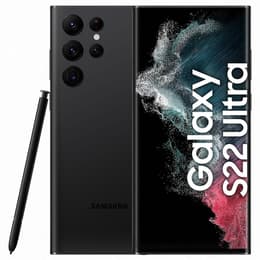
Galaxy S22 Ultra 5G
Galaxy S22 Ultra 5G
Starting at

Refurbished price:350.00

Versus €1,445.00 new

See options
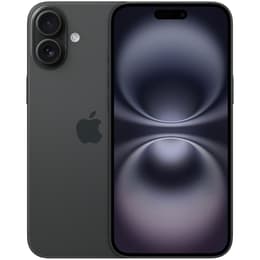
iPhone 16 Plus
iPhone 16 Plus
Starting at

Refurbished price:559.00

Versus €979.00 new

See options

Ratings

The Samsung Galaxy S22 Ultra 5G, released in February 2022, and the iPhone 16 Plus, introduced in September 2025, represent distinct approaches to high-end smartphone design and functionality. While both devices offer premium experiences, they cater to different user preferences through their respective operating systems and core features. The Galaxy S22 Ultra integrates an S Pen for enhanced productivity and a versatile camera system, whereas the iPhone 16 Plus focuses on a streamlined user experience within the Apple ecosystem, emphasizing performance and advanced computational photography.

Scores

Durability

The expected lifespan of a smartphone is significantly influenced by its release date and the manufacturer's software support policy. These two devices, separated by over three years in their launch, offer different trajectories for long-term usability.

  • Software Updates: The Galaxy S22 Ultra, launched with Android 12, was promised four years of major Android OS updates and five years of security updates. This means its major OS updates concluded around early 2026, with security patches extending into 2027. [8, 18, 25, 32] The iPhone 16 Plus, being a 2025 release, is expected to receive major iOS updates for approximately five to seven years, with security support potentially extending even longer, offering a considerably longer period of official software support. [2, 7, 13, 15, 23]
  • Practical Longevity: Users of the Galaxy S22 Ultra can expect continued functionality for several years beyond its official update period, though new features and the latest security protections will become less frequent. [32] The iPhone 16 Plus, due to its newer release and Apple's extended support cycles, provides a longer runway for accessing the newest software features and security enhancements.
  • Durability and Repairability: Both devices feature robust builds with IP68 dust and water resistance, indicating a high level of protection against environmental elements. [4, 18] General repairability for both brands typically involves specialized tools and expertise, making professional servicing a common approach for significant repairs.

Year of Release

2022

2024

Compatible with latest Update

Yes

Yes

Foldable

No

No

Performance

Performance is a key differentiator, with the newer iPhone 16 Plus benefiting from significant advancements in processing technology compared to the Galaxy S22 Ultra.

  • Processing Power: The Galaxy S22 Ultra is powered by a capable processor from its release year, handling demanding applications and multitasking smoothly. [4, 14, 16] The iPhone 16 Plus, featuring a newer generation processor, offers enhanced speed and efficiency, resulting in faster app loading, smoother transitions, and more robust performance for intensive tasks like advanced gaming or video editing.
  • Multitasking and Responsiveness: Both devices are designed for efficient multitasking. The Galaxy S22 Ultra, with its ample RAM configurations, manages multiple applications effectively. [10] The iPhone 16 Plus, through optimized hardware and software integration, provides a highly responsive user experience, maintaining fluidity even under heavy loads.
  • Storage Options: The Galaxy S22 Ultra offers various internal storage capacities, ranging from 128GB up to 1TB, without expandable storage. [4, 10, 18, 28] The iPhone 16 Plus also comes with a range of internal storage options, typically starting from 128GB and extending to higher capacities, without a microSD card slot.
  • Battery Behavior: The Galaxy S22 Ultra is equipped with a 5000 mAh battery, generally providing a full day of use for many users, though heavy usage, especially with the high refresh rate display, can lead to more frequent charging. [6, 9, 16, 22, 30, 31] The iPhone 16 Plus, with its larger form factor, is expected to house a substantial battery, offering extended usage times that often cater to a full day or more for typical users.

Memory (GB)

8 GB

8 GB

Screen quality

Both smartphones offer large, high-quality displays, but there are differences in their underlying technology and visual characteristics.

  • Display Technology and Clarity: The Galaxy S22 Ultra features a 6.8-inch Dynamic AMOLED 2X display with a resolution of 1440 x 3088 pixels, providing sharp and vibrant visuals. [1, 3, 4, 6, 10, 19] The iPhone 16 Plus is expected to feature a large OLED display, offering deep blacks and accurate color reproduction, consistent with Apple's display technology.
  • Brightness and Outdoor Visibility: The Galaxy S22 Ultra boasts a peak brightness of 1750 nits, ensuring excellent visibility even in bright outdoor conditions. [1, 3, 4, 19] The iPhone 16 Plus is also anticipated to offer high brightness levels, providing clear viewing in various lighting environments.
  • Refresh Rate and Smoothness: The Galaxy S22 Ultra features an adaptive 120Hz refresh rate, which dynamically adjusts to content for smooth scrolling and responsive interactions. [1, 3, 4, 19] The iPhone 16 Plus is likely to incorporate a high refresh rate display, potentially with adaptive technology, to deliver a fluid visual experience.
  • Screen Size and Viewing Experience: Both devices offer expansive screens, making them suitable for media consumption, gaming, and productivity. The 6.8-inch display of the S22 Ultra provides an immersive viewing area. [3, 6, 10] The iPhone 16 Plus will also feature a large display, catering to users who prefer a more expansive screen for their daily tasks.

Resolution

1440 x 3088

1290 x 2796

Screen type

Dynamic AMOLED 2X

Super Retina XDR OLED

Audiovisual

The camera systems on both devices are designed to capture high-quality images and videos, though they achieve this through different hardware and software philosophies.

  • Rear Camera System: The Galaxy S22 Ultra features a versatile quad-camera setup, including a 108MP main sensor, a 12MP ultrawide lens, a 10MP telephoto lens with 3x optical zoom, and a 10MP periscope telephoto lens with 10x optical zoom. [1, 3, 4, 6, 11, 12, 14, 16, 19, 21] This configuration allows for significant zoom capabilities and detailed wide-angle shots. The iPhone 16 Plus is expected to feature an advanced dual-camera system, likely with a high-resolution main sensor and an improved ultrawide lens, focusing on computational photography for consistent image quality across various conditions.
  • Low-Light and Everyday Photography: The Galaxy S22 Ultra's larger main sensor and advanced processing contribute to strong low-light performance and detailed everyday photos. [1, 16, 19] The iPhone 16 Plus is anticipated to excel in low-light scenarios and general photography, leveraging its newer sensor technology and image processing algorithms for clear and vibrant results.
  • Video Recording: The Galaxy S22 Ultra supports video recording up to 8K resolution at 24 frames per second, along with various other modes and stabilization features. [3, 4, 6, 14] The iPhone 16 Plus is expected to offer robust video recording capabilities, including high-resolution options and advanced stabilization, suitable for capturing professional-looking footage.
  • Front Camera and Audio: The S22 Ultra includes a 40MP front camera for detailed selfies and video calls. [1, 3, 4, 19] Both devices feature stereo speakers for an immersive audio experience and high-quality microphones for clear calls and recordings. The S22 Ultra does not have a 3.5mm headphone jack. [4] The iPhone 16 Plus also omits the 3.5mm headphone jack.

Main camera

108 megapixels

48 megapixels

Front camera

40 megapixels

12 megapixels

Miscellaneous

Beyond core performance and display, several practical elements contribute to the overall user experience and differentiate these two devices.

  • Connectivity: Both the Galaxy S22 Ultra and the iPhone 16 Plus support 5G connectivity for fast mobile data speeds. The S22 Ultra includes Wi-Fi 6 and Bluetooth 5.2. [1] The iPhone 16 Plus is expected to feature newer Wi-Fi standards (e.g., Wi-Fi 6E or Wi-Fi 7) and Bluetooth versions for enhanced wireless performance and efficiency.
  • Ports and Biometrics: The Galaxy S22 Ultra utilizes a USB-C 3.2 port for charging and data transfer and features an under-display ultrasonic fingerprint sensor for secure unlocking. [1, 4, 10] The iPhone 16 Plus is equipped with a USB-C port, following Apple's recent transition, and relies on Face ID for biometric authentication.
  • Integrated Stylus: A notable feature of the Galaxy S22 Ultra is its integrated S Pen, offering precise input for note-taking, drawing, and navigation with a low latency of 2.8ms. [4, 6] The iPhone 16 Plus does not feature an integrated stylus, focusing instead on touch and voice interactions.
  • Design and Handling: The Galaxy S22 Ultra measures 163.3 x 77.9 x 8.9 mm and weighs 228g, presenting a substantial device in hand. [4, 12] The iPhone 16 Plus is also a large device, designed for users who prefer a larger screen and battery, with dimensions and weight comparable to other large smartphones. Both devices feature premium build materials, including glass and aluminum frames, contributing to their robust feel. [4]

Weight

228 g

199 g

Screen size (in)

6.8

6.7

Network

5G

5G

SIM card

Physical SIM + eSIM

eSIM

Carrier compatibility

Unlocked

Unlocked

Connector

USB-C

USB-C (USB 2)

The Samsung Galaxy S22 Ultra 5G and the iPhone 16 Plus offer distinct advantages, making the choice between them dependent on individual user priorities. The Galaxy S22 Ultra is often praised for its versatile camera system, particularly its extensive zoom capabilities, and the integrated S Pen, which enhances productivity and creative tasks. Users frequently highlight its vibrant display and the flexibility of the Android operating system. Some common criticisms have included its battery life under heavy usage and the shorter software update commitment compared to newer flagships. [9, 16, 22, 30, 31]

The iPhone 16 Plus, on the other hand, is generally lauded for its powerful performance, the intuitive iOS ecosystem, and its expected long-term software support. Users appreciate the consistent camera performance and the seamless integration with other Apple devices. As a newer device, it benefits from the latest advancements in processing and display technology.

Users prioritizing an integrated stylus for productivity, a highly versatile camera with significant optical zoom, and the customization options of Android may find the Galaxy S22 Ultra well-suited to their needs. Conversely, users who value a longer period of software updates, a streamlined user experience within the Apple ecosystem, and cutting-edge performance for demanding applications will likely lean towards the iPhone 16 Plus. Both devices represent excellent choices in their respective ecosystems, and considering a quality-assured refurbished option for either model can be an eco-friendly alternative for consumers.

See all articles

Our recent comparisons