

Galaxy S21 5G Vs iPhone 15 Pro

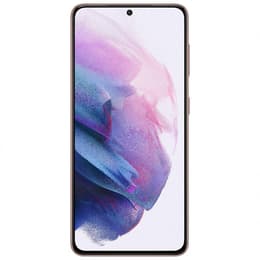
Galaxy S21 5G
Galaxy S21 5G
Starting at

Refurbished price:165.00

Versus €1,026.00 new

See options
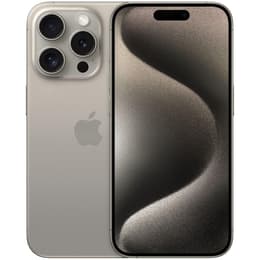
iPhone 15 Pro
iPhone 15 Pro
Starting at

Refurbished price:510.00

Versus €1,165.38 new

See options

Ratings

The Samsung Galaxy S21 5G, released in January 2021, and the iPhone 15 Pro, launched in September 2023, represent distinct approaches to high-end smartphones from their respective manufacturers. While both offer premium mobile experiences, they differ significantly in their operating systems and core design philosophies. The Galaxy S21 5G operates on Android, providing a customizable interface, whereas the iPhone 15 Pro runs on Apple's iOS, known for its integrated ecosystem and streamlined user experience. These differences extend to their hardware, camera capabilities, and expected longevity.

Scores

Durability

The longevity and support for a smartphone are crucial considerations for many users, impacting how long a device remains functional and secure.

  • Release Timeline and Software Support: The Galaxy S21 5G, released in January 2021, initially ran on Android 11 and typically receives major Android OS updates for about three to four years, followed by security updates for a longer period. The iPhone 15 Pro, launched in September 2023, started with iOS 17 and is expected to receive major iOS updates for approximately five to seven years, with security updates extending even further. This means the iPhone 15 Pro offers a longer guaranteed period of software feature updates and security patches.
  • Build Materials and Durability Features: The Galaxy S21 5G features a Gorilla Glass Victus front, a plastic back, and an aluminum frame. The iPhone 15 Pro utilizes a titanium design for its frame, a Ceramic Shield front cover, and a textured matte glass back. The iPhone 15 Pro's titanium frame is noted for its strength-to-weight ratio.
  • User Reported Durability: Some early iPhone 15 Pro users reported initial issues such as fingerprint smudges on the titanium frame and isolated instances of overheating, though Apple has addressed some of these concerns with software updates.

Year of Release

2021

2023

Compatible with latest Update

Yes

Yes

OS

Android

iOS

Foldable

No

No

Performance

Performance is a key area where newer devices often show advancements, influencing how smoothly applications run and how efficiently tasks are handled.

  • Processing Power: The Galaxy S21 5G is equipped with an octa-core processor, either the Exynos 2100 or the Snapdragon 888, depending on the region. The iPhone 15 Pro features a more recent A17 Pro chip, which includes a 6-core CPU, a 6-core GPU, and a 16-core Neural Engine. This newer chip provides a notable increase in processing capabilities.
  • Real-World Usage: For everyday tasks like browsing, social media, and general app usage, both devices offer a responsive experience. However, the iPhone 15 Pro handles more demanding applications, intensive gaming, and complex multitasking with greater fluidity and speed due to its more advanced processor.
  • Memory and Storage: The Galaxy S21 5G typically comes with 8GB of RAM and storage options of 128GB or 256GB. The iPhone 15 Pro also includes 8GB of RAM but offers a wider range of storage capacities, from 128GB up to 1TB.

Memory (GB)

8 GB

8 GB

Screen quality

The display is the primary interface for user interaction, and differences in screen technology and specifications can significantly impact the visual experience.

  • Display Technology and Resolution: The Galaxy S21 5G features a 6.2-inch Dynamic AMOLED 2X display with a resolution of 2400 x 1080 pixels, resulting in a pixel density of 421 pixels per inch (ppi). The iPhone 15 Pro has a 6.1-inch Super Retina XDR OLED display with a resolution of 2556 x 1179 pixels, offering a higher pixel density of 460 ppi. Both displays provide vibrant colors and deep blacks.
  • Refresh Rate and Brightness: Both devices offer an adaptive refresh rate of up to 120Hz, contributing to smoother scrolling and more fluid animations. The Galaxy S21 5G reaches a peak brightness of 1300 nits. The iPhone 15 Pro offers a typical maximum brightness of 1000 nits and can reach up to 2000 nits for outdoor peak brightness, providing better visibility in bright conditions.
  • Additional Screen Features: The iPhone 15 Pro includes Apple's Dynamic Island, an interactive area around the front camera and sensors that displays alerts and background activities.

Resolution

1080 x 2400

1179 x 2556

Screen type

Dynamic AMOLED 2X

LTPO Super Retina XDR OLED

Audiovisual

Camera capabilities are a significant factor for many smartphone users, with both devices offering advanced systems for photography and videography.

  • Rear Camera System: The Galaxy S21 5G features a triple-lens rear camera setup, including a 12MP wide-angle lens, a 64MP telephoto lens with 3x hybrid zoom, and a 12MP ultrawide lens. The iPhone 15 Pro boasts a Pro camera system with a 48MP main sensor featuring second-generation sensor-shift optical image stabilization, a 12MP ultrawide lens with a 120-degree field of view, and a 12MP 3x telephoto lens with optical image stabilization.
  • Photography Performance: The iPhone 15 Pro's larger main sensor and advanced image processing contribute to improved detail and low-light performance. Both phones are capable of capturing high-quality images in various conditions, but the iPhone 15 Pro generally offers more advanced computational photography features.
  • Video Recording and Front Camera: The Galaxy S21 5G supports 8K video recording. The iPhone 15 Pro offers 4K video recording at up to 60 frames per second, ProRes video recording, Cinematic mode, and Spatial video recording. For selfies, the Galaxy S21 5G has a 10MP front camera, while the iPhone 15 Pro features a 12MP TrueDepth front camera with autofocus.

Main camera

12 megapixels

48 megapixels

Front camera

10 megapixels

12 megapixels

Miscellaneous

Beyond the core components, several practical features and design elements contribute to the overall user experience and device utility.

  • Connectivity and Ports: Both devices support 5G connectivity. The Galaxy S21 5G includes Wi-Fi and Bluetooth 5.0, and charges via a USB-C port. The iPhone 15 Pro supports Wi-Fi 6E and Bluetooth 5.3, and features a USB-C port that offers faster data transfer speeds (USB 3.2 Gen 2x1) compared to the Galaxy S21 5G.
  • Biometric Security and Unique Features: The Galaxy S21 5G uses an on-screen fingerprint sensor for biometric authentication. The iPhone 15 Pro relies on Face ID for secure facial recognition. A notable addition to the iPhone 15 Pro is the customizable Action button, which replaces the traditional mute switch and can be programmed for various functions.
  • Physical Characteristics: The Galaxy S21 5G measures 151.7 x 71.2 x 7.9 mm and weighs between 169-171 grams. The iPhone 15 Pro is slightly more compact at 146.6 x 70.6 x 8.25 mm and weighs 187 grams. The iPhone 15 Pro's frame is made from aerospace-grade titanium, contributing to its feel and durability.

Weight

171 g

171 g

Screen size (in)

6.2

6.1

Network

5G

5G

SIM card

Physical SIM + eSIM

eSIM

Carrier compatibility

Unlocked

Unlocked

Connector

USB-C

USB-C (USB 3)

The Samsung Galaxy S21 5G and iPhone 15 Pro cater to different user preferences, largely influenced by their respective ecosystems and release timelines. The Galaxy S21 5G, as an older flagship, is often praised for its vibrant display and capable camera system that was competitive at its launch. Users appreciate its customizable Android experience and the flexibility it offers. However, as an older model, its software support cycle is nearing its end, which can be a consideration for users seeking the latest features and security updates.

The iPhone 15 Pro, being a much newer device, receives commendation for its powerful processing capabilities, advanced camera features, and the introduction of USB-C connectivity. Users often highlight its robust titanium build and the utility of the new Action button. Some initial user feedback noted concerns about potential overheating and the tendency for the titanium frame to show fingerprints, though software updates have largely addressed performance-related issues. Some users also expressed that the display colors were less vibrant than anticipated.

Users prioritizing a mature Android experience with a slightly larger screen and a device that has undergone extensive software refinement might find the Galaxy S21 5G well-suited to their needs. Conversely, those who seek the latest in mobile processing power, cutting-edge camera technology, a compact Pro-level device, and a longer period of software support within the Apple ecosystem will likely lean towards the iPhone 15 Pro. Both devices offer compelling features, and choosing between them depends on individual priorities regarding operating system, performance demands, and long-term support. For those considering either device, exploring quality-assured refurbished options can be an eco-friendly alternative.


See all articles

Our recent comparisons