

Galaxy S22+ 5G Vs Galaxy Z Flip3 5G

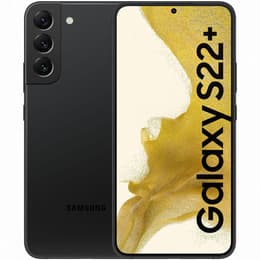
Galaxy S22+ 5G
Galaxy S22+ 5G
Starting at

Refurbished price:195.00

Versus €1,283.00 new

See options
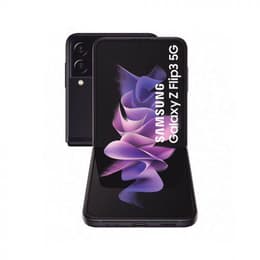
Galaxy Z Flip3 5G
Galaxy Z Flip3 5G
Starting at

Refurbished price:290.88

Versus €1,299.00 new

See options

Ratings

The Samsung Galaxy S22 Plus 5G, released in February 2022, and the Samsung Galaxy Z Flip3 5G, launched in August 2021, represent distinct approaches to modern smartphone design. While both operate on the Android platform, the S22 Plus offers a traditional, high-performance slab experience, whereas the Z Flip3 introduces a unique foldable clamshell form factor. Key differentiators lie in their physical design, display configurations, and camera systems.

Scores

Durability

When considering the practical lifespan of these devices, several factors come into play, including their release timelines, software support, and physical durability.

  • Release Timeline and Software Support: The Galaxy S22 Plus, being released in February 2022, benefits from a slightly newer launch date compared to the Galaxy Z Flip3, which arrived in August 2021. Samsung typically provides several years of Android OS upgrades and security updates. The S22 Plus was promised 4 Android OS upgrades (up to Android 16) and 5 years of security updates, extending support through 2027. The Z Flip3 was promised upgrades as far as Android 14. This means the S22 Plus is likely to receive software support for a longer duration.
  • Durability and Repairability: The Galaxy S22 Plus features an IP68 rating for dust and water resistance, along with Gorilla Glass Victus+ on both the front and back, and an Armor aluminum frame, contributing to its overall robustness. The Galaxy Z Flip3 boasts an IPX8 water resistance rating, meaning it can withstand submersion in water but lacks dust resistance due to its folding mechanism. Its foldable display uses ultra-thin glass, which, while improved, introduces a different set of durability considerations compared to a rigid display.
  • Expected Practical Lifespan: Both devices are built with quality materials, but the S22 Plus's traditional design may offer a more predictable long-term physical integrity for users who prioritize a non-folding form factor. The extended software support for the S22 Plus also suggests a longer period of optimal functionality and security updates.

Year of Release

2022

2021

Compatible with latest Update

Yes

Yes

OS

Android

Android

Foldable

No

Yes

Performance

Both smartphones offer robust performance suitable for daily tasks, but their underlying hardware and battery characteristics present different user experiences.

  • Processor Capabilities and Responsiveness: The Galaxy S22 Plus is equipped with a newer generation processor compared to the Galaxy Z Flip3. This translates to slightly faster app loading times, smoother transitions between applications, and more efficient handling of demanding tasks like high-fidelity gaming or intensive video editing on the S22 Plus. While the Z Flip3's processor is still capable of handling most applications and multitasking smoothly, some users have noted that its performance can sometimes fall behind other high-end phones, particularly under sustained heavy load, possibly due to thermal management in its compact design.
  • RAM and Storage: Both devices come with 8GB of RAM, which is sufficient for effective multitasking and running multiple applications simultaneously without significant slowdowns. For internal storage, both offer 128GB and 256GB options. Neither device supports expandable storage via a microSD card.
  • Battery Behavior: The Galaxy S22 Plus features a larger 4500 mAh battery, providing a full day of typical use for many users. It also supports faster 45W wired charging. The Galaxy Z Flip3 has a smaller 3300 mAh battery, which often results in shorter battery life, requiring more frequent charging for heavy users. It supports 15W wired and 10W wireless charging.

Memory (GB)

8 GB

8 GB

Screen quality

The display experience on these two devices is a primary distinguishing factor, influenced by their form factor and panel technology.

  • Display Technology and Clarity: Both smartphones feature Dynamic AMOLED 2X displays, known for vibrant colors, deep blacks, and excellent contrast. The Galaxy S22 Plus has a 6.6-inch flat display with a resolution of 1080 x 2340 pixels. The Galaxy Z Flip3 features a 6.7-inch foldable main display with a resolution of 1080 x 2640 pixels. The Z Flip3 also includes a 1.9-inch Super AMOLED cover screen for quick notifications and controls when folded.
  • Brightness and Refresh Rate: The S22 Plus offers a peak brightness of 1750 nits, ensuring excellent visibility even in bright outdoor conditions. The Z Flip3's main display reaches a peak brightness of 1200 nits. Both devices feature an adaptive 120Hz refresh rate on their main displays, providing smooth scrolling and responsive interactions.
  • Screen Size and Viewing Experience: The S22 Plus provides a consistent, expansive viewing area ideal for media consumption and productivity. The Z Flip3's foldable design allows for a large screen when unfolded, offering an immersive experience, but also introduces a visible crease in the middle of the display, which some users may notice. The cover screen on the Z Flip3 adds a unique element for quick interactions without fully opening the device.

Resolution

1080 x 2340

1080 x 2640

Screen type

Dynamic AMOLED 2X

Foldable Dynamic AMOLED 2X

Audiovisual

The camera systems on these two Samsung smartphones cater to different photographic needs, with the S22 Plus offering more versatility.

  • Camera System Capabilities: The Galaxy S22 Plus features a triple-camera setup on the rear, including a 50MP main sensor, a 12MP ultrawide lens, and a 10MP telephoto lens with 3x optical zoom. This telephoto lens provides greater flexibility for capturing distant subjects. The Galaxy Z Flip3 has a dual-camera system on the rear, consisting of a 12MP wide-angle lens and a 12MP ultrawide lens. It lacks a dedicated telephoto lens. Both devices have a 10MP front-facing camera.
  • Photography Performance: The S22 Plus generally delivers strong performance in various lighting conditions, with its larger main sensor contributing to better low-light photography and overall detail. The Z Flip3's cameras are considered capable for everyday photography, producing good pictures with vivid colors, but some reviews note that dynamic range can suffer, and image quality may not be as refined as other flagship devices, particularly in challenging conditions.
  • Video Recording and Audio: The S22 Plus supports video recording up to 8K resolution at 24fps, along with 4K at 30/60fps. The Z Flip3 records video up to 4K at 60fps. Both phones offer stereo speakers for media consumption. The Z Flip3 also features a high AOP mic designed to minimize distortion in noisy environments.

Main camera

50 megapixels

12 megapixels

Front camera

10 megapixels

10 megapixels

Miscellaneous

Beyond core performance and display, several practical elements differentiate these two Samsung smartphones.

  • Connectivity Options: Both devices support 5G connectivity, Wi-Fi, and Bluetooth. The Galaxy S22 Plus supports Wi-Fi 6E in some regions, offering potentially faster and more stable wireless connections where available. The Galaxy Z Flip3 supports Wi-Fi 6. Both include NFC for contactless payments and GPS for navigation.
  • Port Types and Sensors: Both smartphones feature a USB-C port for charging and data transfer, but neither includes a 3.5mm headphone jack. The Galaxy S22 Plus integrates an in-display fingerprint sensor, while the Galaxy Z Flip3 uses a side-mounted fingerprint sensor, often integrated into the power button. Both also support face recognition for unlocking.
  • Weight, Dimensions, and Handling: The Galaxy S22 Plus has dimensions of 157.4 x 75.8 x 7.6 mm and weighs 195-196g, offering a substantial feel in hand. The Galaxy Z Flip3's unique foldable design means its dimensions change significantly. When unfolded, it measures 72.2 x 166.0 x 6.9mm, making it a tall and relatively thin device. When folded, it becomes a compact 72.2 x 86.4 x 17.1-15.9mm, weighing 183g. This compact folded size makes it highly pocketable, a key advantage for users prioritizing portability.

Weight

195 g

183 g

Screen size (in)

6.6

6.7

Network

5G

5G

SIM card

Physical SIM + eSIM

Physical SIM + eSIM

Carrier compatibility

Unlocked

Unlocked

User sentiment for the Galaxy S22 Plus often highlights its bright and vibrant display, consistent camera performance, and reliable battery life for a full day of use. Many appreciate its traditional flagship design and the promise of extended software updates. Criticisms sometimes point to its incremental upgrades over its predecessor and the absence of a microSD card slot.

The Galaxy Z Flip3 receives praise for its innovative and stylish foldable design, which offers a compact form factor when closed and a large screen when open. Users also value the improved cover screen for quick interactions and its water resistance. However, common concerns include its shorter battery life compared to traditional smartphones, the visible crease on the main display, and a camera system that, while capable, may not match the versatility of other flagships.

Users prioritizing a traditional smartphone experience with a focus on consistent performance, a larger battery, and a versatile camera system, including optical zoom, may find the Galaxy S22 Plus well-suited to their needs. Its extended software support also makes it a strong contender for those seeking longer device longevity. Conversely, individuals who value a unique, compact, and highly portable device that can easily fit into smaller pockets will likely lean towards the Galaxy Z Flip3. Its foldable design offers a distinct user experience, ideal for those who enjoy the novelty and practicality of a clamshell phone, despite its trade-offs in battery endurance and camera capabilities. Both devices are available as quality-assured refurbished options, providing an eco-friendly alternative for consumers.


See all articles

Our recent comparisons