

Galaxy S20 Vs iPhone X

Galaxy S20
Galaxy S20
Starting at

Refurbished price:196.00

Versus €879.00 new

See options
iPhone X
iPhone X
Starting at

Refurbished price:130.00

Versus €439.00 new

See options

Ratings

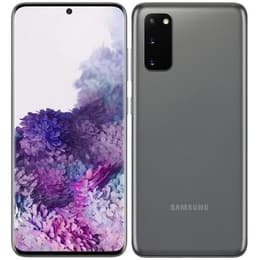
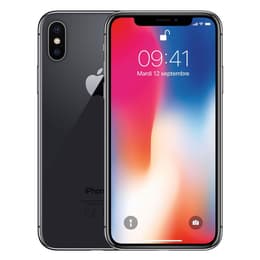
The Samsung Galaxy S20, released in March 2020, and the iPhone X, launched in November 2017, represent different generations and operating systems within the smartphone market. While the Galaxy S20 operates on Android, the iPhone X runs on iOS. Key differentiators between these two devices include their display technology, camera capabilities, and overall performance, reflecting the advancements made in smartphone technology over their respective release periods.

Scores

Durability

When considering the practical lifespan of these devices, their release timelines and software support cycles are important factors. The Galaxy S20, being a newer device, generally benefits from a longer expected period of software updates compared to the iPhone X.

  • Software Longevity: The Samsung Galaxy S20 launched with Android 10 and received major OS updates for three years, up to Android 13, with security updates extending into 2025. The iPhone X, released with iOS 11, received major iOS updates up to iOS 16, with its support ending around September 2023 for major upgrades, though security updates might continue for a period.
  • Repairability: The iPhone X generally has a moderate repairability score, with some components like the display and battery being relatively accessible for replacement. The Galaxy S20, however, has been noted to be more challenging to repair due to extensive use of adhesive, particularly for the back cover and battery, which can complicate repairs.
  • Expected Practical Lifespan: Given its more recent release and longer software support, the Galaxy S20 offers a slightly extended practical lifespan for users who prioritize the latest software features and security patches. Both devices feature glass backs and metal frames, offering a similar level of material durability, though the iPhone X uses a stainless steel frame compared to the Galaxy S20's aluminum.

Year of Release

2020

2017

Compatible with latest Update

No

No

OS

Android

iOS

Foldable

No

No

Performance

The performance of a smartphone is largely determined by its internal components, impacting how smoothly applications run and how efficiently it handles multitasking and demanding tasks.

  • Processing Power: The Galaxy S20 is equipped with a more recent-generation processor, which translates to faster app loading times, smoother transitions between applications, and more efficient handling of graphics-intensive games and complex tasks. The iPhone X, while powerful for its time, features an older processor that may show limitations with the most current demanding applications or heavy multitasking.
  • Multitasking and Responsiveness: The Galaxy S20 typically comes with a higher amount of RAM, contributing to a more fluid multitasking experience, allowing users to switch between many open applications without significant slowdowns. The iPhone X, with less RAM, might require apps to reload more frequently when switching between them.
  • Storage Options: Both devices offer various internal storage configurations. The Galaxy S20 typically starts with 128GB of internal storage and includes a microSD card slot for expandable storage, offering flexibility for users with large media libraries. The iPhone X offers fixed internal storage options, typically 64GB or 256GB, without the possibility of expansion.

Memory (GB)

8 GB

3 GB

Screen quality

The display is a primary interface for smartphone interaction, and both the Galaxy S20 and iPhone X offer high-quality viewing experiences, though with notable differences in technology and features.

  • Display Technology and Clarity: The Galaxy S20 features a 6.2-inch Dynamic AMOLED 2X display, offering a high resolution of 1440x3200 pixels, resulting in sharp images and text. The iPhone X has a 5.8-inch Super Retina OLED display with a resolution of 1125x2436 pixels. Both OLED technologies provide deep blacks and vibrant colors, but the Galaxy S20's higher resolution and pixel density offer a slightly more detailed visual experience.
  • Refresh Rate and Smoothness: A significant difference lies in the refresh rate. The Galaxy S20 supports a 120Hz refresh rate, which provides noticeably smoother scrolling and more fluid animations, enhancing the overall user experience. The iPhone X operates at a standard 60Hz refresh rate.
  • Brightness and Viewing Experience: Both displays offer good brightness levels for outdoor visibility. The Galaxy S20's larger screen size and higher refresh rate contribute to a more immersive viewing experience, particularly for media consumption and gaming. The iPhone X's OLED display also delivers excellent contrast and color accuracy, with True Tone technology adjusting the white balance to ambient light.

Resolution

1440 x 3200

1125 x 2436

Screen type

Dynamic AMOLED 2X

Super Retina OLED

Audiovisual

Camera systems are a crucial aspect of modern smartphones, and both the Galaxy S20 and iPhone X offer capable setups, though the Galaxy S20 benefits from more advanced hardware and software features due to its newer release.

  • Camera System Configuration: The Galaxy S20 features a versatile triple-camera system on the rear, including a 12 MP wide lens, a 64 MP telephoto lens with 3x hybrid optical zoom, and a 12 MP ultrawide lens. It also has a 10 MP front camera. The iPhone X has a dual 12 MP camera system on the rear, consisting of a wide-angle and a telephoto lens with 2x optical zoom, and a 7 MP front camera.
  • Photography Performance: The Galaxy S20 generally offers improved low-light performance and greater detail capture due to its larger sensors and higher megapixel count on some lenses. Its telephoto lens provides more zoom capability. The iPhone X's dual cameras are known for consistent image quality and natural color reproduction, with both rear lenses featuring optical image stabilization.
  • Video Recording and Features: The Galaxy S20 supports 8K video recording, offering extremely high-resolution video capture, and includes features like Single Take mode. The iPhone X is capable of 4K video recording at various frame rates and includes features like Portrait Mode for both front and rear cameras.

Main camera

12 megapixels

12 megapixels

Front camera

10 megapixels

7 megapixels

Miscellaneous

Beyond core features, several practical elements contribute to the overall user experience, including connectivity, physical design, and security features.

  • Connectivity and Ports: The Galaxy S20 supports 5G connectivity, Wi-Fi 6, and Bluetooth 5.0, and uses a USB-C port for charging and data transfer. The iPhone X supports 4G LTE, Wi-Fi 5 (802.11ac), and Bluetooth 5.0, utilizing Apple's proprietary Lightning port. The presence of 5G and Wi-Fi 6 on the S20 offers faster wireless speeds where available.
  • Biometrics and Security: The Galaxy S20 features an in-display ultrasonic fingerprint sensor and supports face unlock. The iPhone X relies primarily on Face ID, Apple's facial recognition system, for secure unlocking and authentication.
  • Design and Handling: The Galaxy S20 measures 151.7 x 69.1 x 7.9 mm and weighs 163 grams, offering a relatively compact and lightweight design. The iPhone X is slightly smaller at 143.6 x 70.9 x 7.7 mm but heavier at 174 grams, featuring a glass front and back with a stainless steel frame. Both devices have an IP68 rating for dust and water resistance for the S20, and IP67 for the iPhone X.

Weight

163 g

174 g

Width

6,91 cm

7,09 cm

Height

15,17 cm

14,36 cm

Depth

0,79 cm

0,77 cm

Screen size (in)

6.2

5.8

Network

4G

4G

SIM card

Dual Physical SIM

Physical SIM

Carrier compatibility

Unlocked

Unlocked

The Samsung Galaxy S20 and iPhone X cater to different user preferences, largely due to their distinct operating systems and the technological advancements separating their release dates. Users often praise the Galaxy S20 for its vibrant 120Hz display, versatile camera system with enhanced zoom capabilities, and the flexibility offered by the Android ecosystem, including expandable storage. However, some users have noted that the S20's battery life, especially with the 120Hz display enabled, could be better. The iPhone X, on the other hand, is frequently lauded for its pioneering Face ID technology, the introduction of an OLED display to the iPhone line, and the consistent performance and user experience characteristic of iOS. Criticisms often revolve around its battery life, which some users find insufficient for heavy use, and its older camera system compared to newer devices.

Users prioritizing a more modern Android experience with a high refresh rate display, advanced camera features, and 5G connectivity will find the Samsung Galaxy S20 well-suited to their needs. Those who prefer the iOS ecosystem, a compact design, and robust facial recognition technology might lean towards the iPhone X. Both devices, when acquired as quality-assured refurbished options, offer a sustainable choice for consumers looking to extend the life cycle of electronic products. The decision ultimately depends on individual priorities regarding operating system preference, camera capabilities, display fluidity, and the importance of the latest connectivity standards.


See all articles

Our recent comparisons