
iPhone

Compare models
Differences at a glance
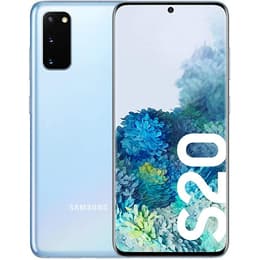
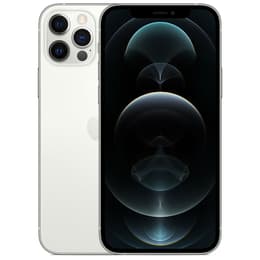
The Samsung Galaxy S20, an Android smartphone, was introduced in March 2020, while Apple's iPhone 12 Pro, running iOS, followed in October 2020. Both devices offered advanced features for their time, but they cater to different user preferences through their distinct operating systems and hardware philosophies. Key differences lie in their display technology, camera capabilities, and approach to software longevity.
Colour
Storage
When considering the long-term usability of these devices, their release timelines and software support are important factors.
Year of Release
Compatible with latest Update
OS
Foldable
Both the Galaxy S20 and iPhone 12 Pro deliver robust performance for everyday tasks and demanding applications, though their underlying architectures differ.
The visual experience on both devices is vibrant and clear, though they employ different display technologies and refresh rates.
Resolution
Screen type
Both smartphones offer advanced camera systems capable of capturing high-quality photos and videos, each with its own strengths.
Main camera
Front camera
Beyond core features, several practical elements differentiate the user experience of these two devices.
Weight
Width
Height
Depth
Screen size (in)
Network
SIM card
Carrier compatibility
Users often praise the Samsung Galaxy S20 for its vibrant 120Hz AMOLED display and the flexibility offered by its expandable storage and versatile camera system, particularly its zoom capabilities. Some common criticisms have revolved around its battery life, especially when the high refresh rate is enabled, and the regional variations in processor performance.
The iPhone 12 Pro is frequently lauded for its consistent performance, robust software support, and excellent camera system, particularly its low-light capabilities and video recording quality with Dolby Vision HDR. Users appreciate the Ceramic Shield for added durability and the seamless integration within the Apple ecosystem. A common point of discussion for some users is the 60Hz display refresh rate, which is lower than some Android counterparts from the same period.
For users who prioritize a high refresh rate display, expandable storage, and a versatile camera with strong zoom features, the Galaxy S20 may be a suitable choice. Conversely, individuals who value extended software support, consistent performance, advanced video recording, and a strong emphasis on facial recognition security might find the iPhone 12 Pro aligns better with their needs. Both devices remain capable smartphones, and choosing a quality-assured refurbished option for either can be a sustainable choice for consumers.