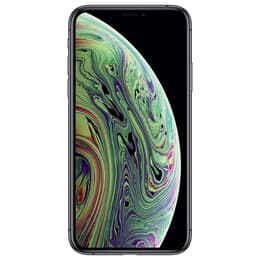


Galaxy S20 FE Vs iPhone XS

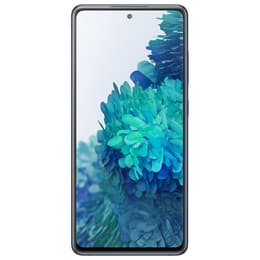
Galaxy S20 FE
Galaxy S20 FE
Starting at

Refurbished price:151.00

Versus €779.00 new

See options
iPhone XS
iPhone XS
Starting at

Refurbished price:128.00

Versus €489.00 new

See options

Ratings

The Samsung Galaxy S20 FE (Fan Edition), released in October 2020, and the Apple iPhone XS, launched in September 2018, represent distinct approaches to smartphone design and functionality from their respective manufacturers. While the Galaxy S20 FE offers a larger display and a more versatile camera system, the iPhone XS emphasizes a compact form factor and a tightly integrated software experience. Both devices operate on different ecosystems, with the S20 FE running Android and the iPhone XS running iOS, influencing their user interfaces and app availability.

Scores

Durability

When considering the long-term usability of these devices, their release timelines and software support cycles are key differentiators.

  • Release Timeline: The iPhone XS, released in September 2018, is two years older than the Galaxy S20 FE, which launched in October 2020. This age difference impacts their respective positions in the update cycle.
  • Software Longevity: The iPhone XS originally shipped with iOS 12 and received major iOS updates up to iOS 18, with security updates continuing into late 2026. The Galaxy S20 FE launched with Android 10 and received three major Android updates, ending its official software support in October 2025 with Android 13 (One UI 5.1).
  • Practical Lifespan: Users prioritizing the latest operating system features and security patches will find the iPhone XS has had a longer major OS update period, though its major OS support has now concluded. The Galaxy S20 FE's major software support has also ended, meaning both devices will primarily receive security updates going forward, if any.

Year of Release

2020

2018

Compatible with latest Update

No

Yes

OS

Android

iOS

Foldable

No

No

Performance

The performance of a smartphone is crucial for daily tasks, from app usage to multitasking and gaming.

  • Processor Capabilities: The iPhone XS is powered by a chip designed for efficient performance, handling everyday applications and multitasking smoothly. The Galaxy S20 FE features a processor that provides a responsive experience for demanding apps and mobile gaming.
  • System Responsiveness: Both devices offer fluid navigation and quick app loading times. The iPhone XS's integrated hardware and software are optimized for consistent performance. The Galaxy S20 FE's processor, combined with its display, contributes to a smooth user experience, particularly noticeable during fast-paced activities.
  • Storage and RAM: The iPhone XS comes with 4GB of RAM and storage options up to 512GB, without expandable storage. The Galaxy S20 FE offers 6GB or 8GB of RAM and 128GB or 256GB of internal storage, with the added flexibility of microSD card expansion up to 1TB.

Memory (GB)

6 GB

4 GB

Screen quality

The display is a primary interface for users, and both devices offer distinct viewing experiences.

  • Display Technology and Clarity: The iPhone XS features a 5.8-inch Super Retina HD OLED display, known for its deep blacks, high contrast, and vibrant colors, with a resolution of 2436x1125 pixels at 458 ppi. The Galaxy S20 FE sports a larger 6.5-inch Super AMOLED display with a resolution of 2400x1080 pixels, offering good clarity and color reproduction.
  • Refresh Rate and Brightness: A key difference is the refresh rate; the Galaxy S20 FE offers a 120Hz refresh rate for smoother scrolling and animations, while the iPhone XS has a standard 60Hz refresh rate. Both displays provide adequate brightness for outdoor visibility, with the iPhone XS reaching 625 nits typical maximum brightness.
  • Viewing Experience: Users who prefer a more compact device and appreciate high pixel density in a smaller form factor may lean towards the iPhone XS. Those who prioritize a larger screen for media consumption and a smoother scrolling experience will find the Galaxy S20 FE's display appealing.

Resolution

1080 x 2400

1125 x 2436

Screen type

Super AMOLED

Super Retina OLED

Audiovisual

Camera capabilities are a significant factor for many users, and both phones provide robust photographic tools.

  • Rear Camera Systems: The iPhone XS features a dual 12MP rear camera system, comprising a wide-angle lens (f/1.8) and a telephoto lens (f/2.4) with 2x optical zoom, both with optical image stabilization. The Galaxy S20 FE offers a triple rear camera setup: a 12MP wide-angle (f/1.8, OIS), an 8MP telephoto (f/2.4, 3x optical zoom, OIS), and a 12MP ultrawide lens (f/2.2).
  • Photography Performance: The iPhone XS excels in capturing detailed images with good color accuracy and dynamic range, especially with its Smart HDR feature. The Galaxy S20 FE provides more versatility with its ultrawide lens and a higher megapixel count for its front camera, offering a broader range of shooting options. Both perform well in everyday lighting, though the S20 FE's larger sensor on the main camera can contribute to better low-light performance.
  • Video and Audio: The iPhone XS supports 4K video recording at up to 60 frames per second and includes stereo audio recording. The Galaxy S20 FE also records 4K video at 30 frames per second. Both devices offer capable speakers for media consumption.

Main camera

12 megapixels

12 megapixels

Front camera

32 megapixels

7 megapixels

Miscellaneous

Beyond core features, several practical elements contribute to the overall user experience.

  • Connectivity and Ports: The Galaxy S20 FE supports 5G connectivity in some variants, along with Wi-Fi 6 and Bluetooth 5.0. The iPhone XS features Gigabit-class LTE (no 5G), Wi-Fi 802.11ac (Wi-Fi 5), and Bluetooth 5.0. The S20 FE uses a USB-C port, while the iPhone XS uses a Lightning connector; neither has a 3.5mm headphone jack.
  • Sensors and Security: The iPhone XS relies on Face ID for secure facial recognition. The Galaxy S20 FE includes an in-display fingerprint sensor for biometric authentication.
  • Build and Handling: The iPhone XS features a glass front and back with a stainless steel frame, offering a premium feel and IP68 water and dust resistance. The Galaxy S20 FE has a plastic back with a matte finish and an aluminum frame, also with IP68 water and dust resistance. The iPhone XS is more compact and lighter at 143.6 x 70.9 x 7.7 mm and 177 g, compared to the S20 FE's 159.8 x 74.5 x 8.4 mm and 190 g.

Weight

190 g

177 g

Screen size (in)

6.5

5.8

Network

4G

4G

SIM card

Dual Physical SIM

Physical SIM + eSIM

Carrier compatibility

Unlocked

Unlocked

The Samsung Galaxy S20 FE and iPhone XS cater to different user preferences, reflecting their respective ecosystems and design philosophies. User feedback often praises the Galaxy S20 FE for its vibrant 120Hz display, versatile camera system with an ultrawide lens, and expandable storage, making it a strong contender for those who consume a lot of media or need ample space for files. Some users appreciate its larger battery capacity, which generally translates to longer usage times for many.

Conversely, the iPhone XS is frequently lauded for its compact size, premium build quality, and the consistent, optimized performance delivered by its operating system. Its camera system is often noted for its reliable image quality and video capabilities. Criticisms for the iPhone XS sometimes point to its smaller battery capacity compared to many Android counterparts, which can lead to more frequent charging for heavy users. The Galaxy S20 FE, while offering a larger screen, might be considered less premium in build by some due to its plastic back, though this also contributes to its durability.

Users prioritizing a larger, high-refresh-rate display, a more flexible camera setup with an ultrawide lens, and expandable storage may find the Galaxy S20 FE better suited to their needs. This device is often favored by those who enjoy mobile gaming, extensive media consumption, or require significant local storage. On the other hand, users who value a more compact device, a highly optimized software experience, and consistent camera performance in a premium glass and metal design might lean towards the iPhone XS. Both devices offer a quality-assured refurbished option, providing an eco-friendly alternative for consumers.


See all articles

Our recent comparisons