

Galaxy S10e Vs iPhone 11 Pro Max

Galaxy S10e
Galaxy S10e
Starting at

Refurbished price:121.00

Versus €759.00 new

See options
iPhone 11 Pro Max
iPhone 11 Pro Max
Starting at

Refurbished price:219.00

Versus €939.00 new

See options

Ratings

The Samsung Galaxy S10e and the Apple iPhone 11 Pro Max, both released in 2019, represent distinct approaches to smartphone design and functionality. While the Galaxy S10e offers a compact form factor with an Android operating system, the iPhone 11 Pro Max provides a larger display and a robust iOS experience. Key differentiators include their physical size, camera systems, and battery endurance.

Scores

Durability

When considering the longevity of these devices, several factors come into play, including their release timelines, software support, and repairability.

  • Release Timeline: The Samsung Galaxy S10e was released in March 2019, while the iPhone 11 Pro Max followed in September 2019. This six-month difference means the iPhone 11 Pro Max benefits from a slightly longer period of potential software updates.
  • Software Support: The Galaxy S10e launched with Android 9.0 and received major OS upgrades up to Android 12. As of April/June 2023, it no longer receives regular security updates, marking the end of its official software support cycle. In contrast, the iPhone 11 Pro Max, running iOS, is typically expected to receive software updates for approximately 5-6 years from its release, offering a longer period of access to new features and security patches.
  • Repairability: The Galaxy S10e received a repairability score of 3 out of 10 from iFixit, indicating it is difficult to repair due to extensive adhesive, a soldered charging port, and integrated display/fingerprint sensor components. The iPhone 11 Pro Max scored 6 out of 10, with critical display and battery repairs being more accessible, though some components are registered to the motherboard, which can complicate third-party repairs.

Year of Release

2019

2019

Compatible with latest Update

No

Yes

OS

Android

iOS

Foldable

No

No

Performance

Both devices were equipped with flagship-level processors at their release, offering strong performance for everyday tasks, though their architectures and real-world implications differ.

  • Storage Options: The Galaxy S10e offers 128GB or 256GB of internal storage, with the added flexibility of expandable storage via a microSD card slot, allowing users to increase capacity up to an additional 512GB. The iPhone 11 Pro Max is available with 64GB, 256GB, or 512GB of internal storage, but it does not support expandable storage.
  • Processor Capabilities: The Galaxy S10e, depending on the region, features either the Exynos 9820 or Snapdragon 855 processor, which capably handles demanding applications and multitasking. The iPhone 11 Pro Max is powered by the A13 Bionic chip, which delivers responsive performance across various tasks, including intensive gaming and video editing. Users often report smooth operation and quick app loading on both devices.
  • Battery Behavior: The Galaxy S10e, with its 3100mAh battery, often requires charging before the end of a full day for heavy users, with some reviews noting mediocre battery life. In contrast, the iPhone 11 Pro Max, equipped with a 3969mAh battery, is widely praised for its exceptional endurance, frequently lasting a full day or even up to two days for some users on a single charge.

Memory (GB)

6 GB

4 GB

Screen quality

The visual experience on both smartphones is delivered through high-quality displays, each with distinct characteristics that cater to different preferences.

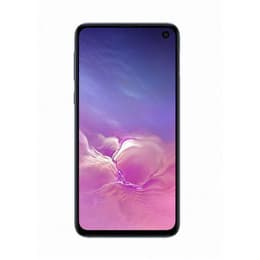
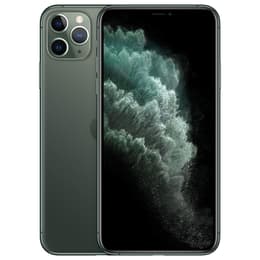
  • Display Technology and Clarity: The Galaxy S10e features a 5.8-inch Dynamic AMOLED display with a Full HD+ resolution (1080 x 2280 pixels), resulting in a pixel density of 438 PPI. This provides vibrant colors and deep blacks. The iPhone 11 Pro Max boasts a larger 6.5-inch Super Retina XDR OLED display with a resolution of 1242 x 2688 pixels, offering a pixel density of 458 PPI. Both displays offer excellent clarity and color reproduction.
  • Brightness and Viewing Experience: The Galaxy S10e can reach a maximum brightness of 603 nits in manual mode, providing good visibility in various lighting conditions. The iPhone 11 Pro Max offers a typical brightness of 800 nits, peaking at 1200 nits for HDR content, which enhances outdoor visibility and HDR media consumption. The S10e features a flat display with a punch-hole cutout for the front camera, while the iPhone 11 Pro Max has a notch at the top of its display.
  • Refresh Rate: Both devices feature a standard 60Hz refresh rate, providing a consistent visual experience for most content.

Resolution

1080 x 2280

1242 x 2688

Screen type

Dynamic AMOLED

Super Retina XDR OLED

Audiovisual

The camera systems on the Galaxy S10e and iPhone 11 Pro Max offer different capabilities, influencing their performance in various photographic scenarios.

  • Rear Camera Systems: The Galaxy S10e is equipped with a dual-camera setup on the rear, consisting of a 12-megapixel wide-angle lens and a 16-megapixel ultra-wide-angle lens. It performs well in good lighting conditions, capturing detailed and colorful images. The iPhone 11 Pro Max features a triple-camera system, including a 12-megapixel wide, a 12-megapixel ultra-wide, and a 12-megapixel telephoto lens with 2x optical zoom.
  • Low-Light and Video Performance: While the Galaxy S10e's low-light photography is considered adequate, it does not match the performance of its competitors in challenging light conditions. The iPhone 11 Pro Max excels in low-light environments thanks to its dedicated Night mode, which significantly improves image quality. For video recording, the iPhone 11 Pro Max offers high-quality 4K video capture with extended dynamic range and cinematic stabilization across all its rear lenses.
  • Front Camera and Audio: The Galaxy S10e has a 10-megapixel front camera. The iPhone 11 Pro Max features a 12-megapixel front camera. Both devices offer stereo speakers, with the Galaxy S10e featuring AKG-tuned speakers with Dolby Atmos support.

Main camera

12 megapixels

12 megapixels

Front camera

10 megapixels

12 megapixels

Miscellaneous

Beyond core performance and display, several practical features and design elements differentiate these two smartphones.

  • Connectivity and Ports: The Galaxy S10e includes a 3.5mm headphone jack, a feature absent on the iPhone 11 Pro Max. Both devices support wireless charging and are IP68 rated for water and dust resistance. The Galaxy S10e uses a USB-C port for charging and data transfer, while the iPhone 11 Pro Max utilizes Apple's proprietary Lightning port. Neither device supports 5G connectivity.
  • Biometric Security: The Galaxy S10e features a side-mounted fingerprint sensor integrated into the power button, which users often find fast and convenient. The iPhone 11 Pro Max relies on Face ID for biometric authentication, offering secure facial recognition.
  • Design and Handling: The Galaxy S10e is a more compact and lightweight device, measuring 142.2 x 69.9 x 7.9 mm and weighing 150g, making it suitable for one-handed use. The iPhone 11 Pro Max is significantly larger and heavier at 158 x 77.8 x 8.1 mm and 226g, which can impact one-handed usability for some users. Both phones feature glass and aluminum constructions.

Weight

150 g

226 g

Screen size (in)

5.8

6.5

Network

4G

4G

SIM card

Physical SIM

Physical SIM + eSIM

Carrier compatibility

Unlocked

Unlocked

Connector

USB-C + Jack 3.5mm

Lightning

The Samsung Galaxy S10e and iPhone 11 Pro Max, while both released in 2019, cater to different user priorities. Users frequently praise the Galaxy S10e for its compact size, comfortable one-handed use, and the inclusion of a headphone jack and expandable storage. Its vibrant AMOLED display and capable daylight camera are also often highlighted. However, common criticisms revolve around its mediocre battery life and less impressive low-light camera performance.

Conversely, the iPhone 11 Pro Max receives widespread acclaim for its exceptional battery life, powerful performance, and a versatile triple-camera system that excels in low-light conditions and video recording. Its large, bright OLED display is also a significant advantage for media consumption. Frequent concerns include its substantial size and weight, which can make it cumbersome for some, and the absence of a headphone jack or expandable storage.

Users prioritizing a compact form factor, a traditional headphone jack, and expandable storage may find the Galaxy S10e better suited to their needs. Those who value extended battery life, a larger display, superior camera capabilities (especially in challenging light), and a longer software support window will likely lean towards the iPhone 11 Pro Max. Both devices offer a quality-assured refurbished option, providing an eco-friendly alternative for consumers.


See all articles

Our recent comparisons






