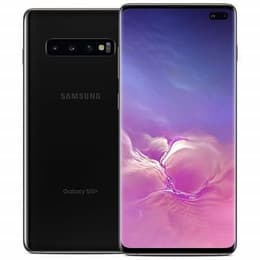
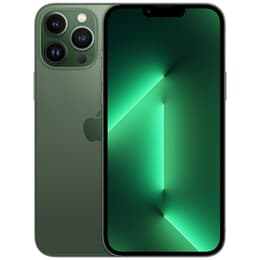


Galaxy S10+ Vs iPhone 13 Pro

Galaxy S10+
Galaxy S10+
Starting at

Refurbished price:143.00

Versus €1,009.00 new

See options
iPhone 13 Pro
iPhone 13 Pro
Starting at

Refurbished price:313.00

Versus €1,149.00 new

See options

Ratings

The Samsung Galaxy S10 Plus, released in March 2019, and the iPhone 13 Pro, launched in September 2021, represent different generations and operating systems within the smartphone landscape. While the Galaxy S10 Plus operates on Android, the iPhone 13 Pro runs on iOS. Key differentiators between these two devices include their respective software ecosystems, display technologies, and camera capabilities, reflecting advancements over their release timelines. Both models are available as quality-assured refurbished options, offering an eco-friendly alternative for consumers.

Scores

Durability

When considering the long-term usability of these devices, their release dates and software support cycles are important factors.

  • Release Timeline: The Galaxy S10 Plus was released in March 2019, making it several years older than the iPhone 13 Pro, which debuted in September 2021. This age difference directly impacts the duration of software support each device can expect.
  • Software Longevity: The Galaxy S10 Plus launched with Android 9 and received updates up to Android 12, meaning its official software support has concluded. In contrast, the iPhone 13 Pro, released with iOS 15, is compatible with iOS 18 and is estimated to receive major iOS updates for several more years, potentially until iOS 28 or 29, offering a significantly longer period of software relevance.
  • Physical Durability: Both devices feature robust builds with IP68 ratings for water and dust resistance. The Galaxy S10 Plus utilizes Gorilla Glass 6 on the front and Gorilla Glass 5 on the back, while the iPhone 13 Pro features a Ceramic Shield front cover and a textured matte glass back, framed by stainless steel. The iPhone 13 Pro received an iFixit repairability score of 5 out of 10, indicating that while some components like the display and battery are relatively accessible, certain repairs, particularly those involving Face ID after a screen replacement, can be challenging for third-party services.

Year of Release

2019

2021

Compatible with latest Update

No

Yes

OS

Android

iOS

Foldable

No

No

Performance

The performance of these smartphones varies considerably due to their different generations of internal components and operating system optimizations.

  • Processing Power: The Galaxy S10 Plus is equipped with a processor that, while capable for its time, is now several generations older. It handles everyday tasks smoothly, but users engaging in demanding applications or intensive gaming might experience slower loading times and less fluid performance compared to newer devices. The iPhone 13 Pro features a more current-generation processor, delivering excellent responsiveness for complex applications, high-fidelity gaming, and seamless multitasking.
  • Multitasking and Storage: The Galaxy S10 Plus offers 8GB or 12GB of RAM and storage options up to 1TB, with the added flexibility of a microSD card slot for expandable storage. The iPhone 13 Pro comes with 6GB of RAM and storage configurations up to 1TB, but without expandable storage. Despite the difference in RAM numbers, the iPhone's optimized software ensures efficient multitasking.
  • Battery Behavior: The Galaxy S10 Plus houses a 4100 mAh battery. User experiences generally indicate it can last a full day with moderate usage. The iPhone 13 Pro, with a 3095 mAh battery, benefits from significant software and hardware optimizations, with many users reporting it comfortably lasts a full day of normal usage, representing a notable improvement over its predecessors.

Memory (GB)

8 GB

6 GB

Screen quality

The visual experience offered by both devices is distinct, primarily due to differences in display technology, size, and refresh rates.

  • Display Technology and Clarity: The Galaxy S10 Plus features a 6.4-inch Dynamic AMOLED display with a Quad HD+ resolution of 3040 x 1440 pixels, resulting in a pixel density of 522 ppi. This provides a clear and vibrant viewing experience with deep blacks and rich colors. The iPhone 13 Pro has a 6.1-inch Super Retina XDR OLED display with a resolution of 2532 x 1170 pixels and a pixel density of 460 ppi, also offering excellent clarity and color accuracy.
  • Brightness and Refresh Rate: The Galaxy S10 Plus operates at a standard 60Hz refresh rate, providing a smooth but conventional scrolling experience. It supports HDR10+ for enhanced contrast and color in compatible content. The iPhone 13 Pro features ProMotion technology, offering an adaptive refresh rate that can dynamically adjust from 10Hz to 120Hz, resulting in noticeably smoother scrolling and more fluid animations. Its display also boasts higher typical brightness of 1000 nits, peaking at 1200 nits for HDR content, making it highly visible in various lighting conditions.
  • Screen Design: The Galaxy S10 Plus features curved edges, giving an immersive 'Infinity Display' look. The iPhone 13 Pro has a flat display with a smaller notch compared to previous iPhone models.

Resolution

1440 x 3040

1170 x 2532

Screen type

Dynamic AMOLED

Super Retina XDR OLED

Audiovisual

Both smartphones offer capable camera systems, but the iPhone 13 Pro benefits from newer advancements in computational photography and sensor technology.

  • Rear Camera Systems: The Galaxy S10 Plus features a triple rear camera setup: a 12MP wide-angle lens with a variable aperture (f/1.5-2.4) and optical image stabilization (OIS), a 12MP telephoto lens with 2x optical zoom and OIS, and a 16MP ultrawide lens. The iPhone 13 Pro also has a triple 12MP Pro camera system, including a wide lens with a larger sensor and f/1.5 aperture with sensor-shift OIS, an ultrawide lens with autofocus and an f/1.8 aperture, and a telephoto lens with 3x optical zoom and an f/2.8 aperture. It also incorporates a LiDAR scanner for improved depth sensing.
  • Photography Features: The iPhone 13 Pro introduces features like Cinematic Mode for video with shallow depth of field, ProRes video recording (available in 4K at 30fps for models with 256GB storage or more), and a dedicated Macro mode utilizing the ultrawide lens. It also offers Night mode across all its cameras and Photographic Styles. The Galaxy S10 Plus includes features like HDR10+ video recording and various scene optimizers.
  • Front Cameras: The Galaxy S10 Plus has a dual front camera system with a 10MP wide lens and an 8MP depth sensor. The iPhone 13 Pro features a 12MP front camera with an f/2.2 aperture. Both are capable of capturing detailed selfies and supporting video calls.

Main camera

12 megapixels

12 megapixels

Front camera

10 megapixels

12 megapixels

Miscellaneous

Beyond core features, several practical elements differentiate the user experience between these two devices.

  • Connectivity: The Galaxy S10 Plus supports 4G LTE and Wi-Fi 6, providing fast wireless data speeds. The iPhone 13 Pro steps up to include 5G connectivity, offering potentially faster cellular data speeds in areas with 5G network coverage, alongside Wi-Fi 6. Both support Bluetooth 5.0.
  • Ports and Biometrics: A notable difference is the port type; the Galaxy S10 Plus uses a USB-C port and retains a 3.5mm headphone jack, offering broader compatibility with existing accessories. The iPhone 13 Pro uses Apple's proprietary Lightning port and does not include a headphone jack. For security, the Galaxy S10 Plus features an ultrasonic in-display fingerprint sensor, while the iPhone 13 Pro relies on Face ID for facial recognition.
  • Physical Characteristics: The Galaxy S10 Plus measures 157.6 x 74.1 x 7.8 mm and weighs 175g. The iPhone 13 Pro is slightly more compact at 146.7 x 71.5 x 7.65 mm but heavier at 204g, partly due to its stainless steel frame. These differences can influence how each device feels in hand and pocket.

Weight

175 g

203 g

Screen size (in)

6.4

6.1

Network

4G

5G

SIM card

Physical SIM

Physical SIM + eSIM

Carrier compatibility

Unlocked

Unlocked

Connector

USB-C + Jack 3.5mm

Lightning

User sentiment for the Samsung Galaxy S10 Plus often highlights its impressive display, the convenience of its 3.5mm headphone jack, and the flexibility of expandable storage. However, common criticisms revolve around its aging software support and the eventual decline in performance compared to newer models. The iPhone 13 Pro is frequently praised for its powerful camera system, smooth performance, vibrant ProMotion display, and Apple's commitment to long-term software updates. Some users note its weight and the continued use of the Lightning port as minor drawbacks.

For users who prioritize a larger display, the versatility of a headphone jack, and the option for expandable storage, the Galaxy S10 Plus may align with their needs. Conversely, individuals seeking a device with extended software longevity, a highly capable camera for both photos and video, and consistently fluid performance for demanding tasks will likely find the iPhone 13 Pro more suitable. Both devices, when purchased as refurbished options, provide a sustainable choice for consumers looking to make an informed decision while also contributing to environmental responsibility.


See all articles

Our recent comparisons






