
iPhone

Compare models
Differences at a glance
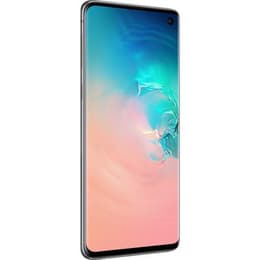
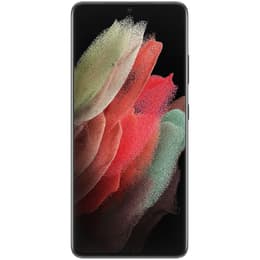
The Samsung Galaxy S10, released in March 2019, and the Samsung Galaxy S21 Ultra 5G, launched in January 2021, represent different generations of Samsung's flagship smartphone line. While both devices run on the Android operating system with Samsung's One UI, the S21 Ultra 5G introduces significant advancements in camera technology, display capabilities, and overall performance, reflecting its newer release. These differences cater to varying user priorities, from those seeking a compact and established device to those desiring cutting-edge features and enhanced connectivity.
Colour
Storage
The practical lifespan of a smartphone is influenced by its initial release date, software support, and repairability. The Galaxy S10, being an older model, has reached the end of its major Android OS updates, while the S21 Ultra 5G still receives regular updates, extending its functional life.
Year of Release
Compatible with latest Update
OS
Foldable
Performance in daily use, from app handling to multitasking, is a key differentiator between these two generations of devices, largely influenced by their internal components and battery capacities.
Both devices feature high-quality AMOLED displays, but the newer S21 Ultra 5G incorporates advancements that enhance the visual experience, particularly in smoothness and brightness.
Resolution
Screen type
The camera systems on both the Galaxy S10 and S21 Ultra 5G are capable, but the S21 Ultra 5G introduces a more versatile and advanced setup, especially for zoom capabilities and low-light performance.
Main camera
Front camera
Beyond core features, several practical elements differentiate the user experience and functionality of the Galaxy S10 and S21 Ultra 5G, from connectivity to physical design.
Weight
Screen size (in)
Network
SIM card
Carrier compatibility
Connector
The Samsung Galaxy S10 and Galaxy S21 Ultra 5G cater to different user needs, reflecting the evolution of smartphone technology over their respective release cycles. Users often praise the Galaxy S10 for its more compact size, the inclusion of a 3.5mm headphone jack, and its still-capable performance for everyday tasks. Its established design and features have garnered a loyal following among those who prefer a slightly smaller device with traditional connectivity options. However, some users noted its battery life could be merely acceptable for heavy use.
The Galaxy S21 Ultra 5G is frequently lauded for its exceptional camera system, particularly its versatile zoom capabilities and improved low-light performance, making it a strong choice for photography enthusiasts. Its larger, brighter, and smoother 120Hz display is also a significant highlight for media consumption and general navigation. Criticisms sometimes point to its larger size and weight, which can make one-handed use challenging, and the absence of a headphone jack. Some users have also reported that the advanced display and 5G connectivity can lead to significant battery drain, despite the larger battery capacity.
Users prioritizing a more modern camera experience, a larger and more fluid display, and the latest connectivity standards, including 5G, will find the Galaxy S21 Ultra 5G well-suited to their needs. Its extended software support also offers a longer period of up-to-date features and security. Conversely, those who prefer a more compact form factor, value the convenience of a 3.5mm headphone jack, and find the S10's performance sufficient for their daily activities may lean towards the older model. Both devices, especially when considering quality-assured refurbished options, provide an eco-friendly alternative for consumers looking to make informed and sustainable choices.