


Galaxy Tab A9+ (11.0", 2023) Vs iPad Pro (2021, M1 series)

Galaxy Tab A9+ (11.0", 2023)
Starting at

Refurbished price:135.00

Versus €259.00 new

See options
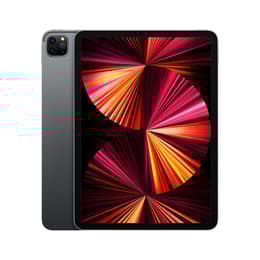
iPad Pro (2021, M1 series)
Starting at

Refurbished price:462.00

Versus €909.00 new

See options

Ratings

The Samsung Galaxy Tab A9+ (2023) and the Apple iPad Pro M1 series (2021) are two distinct tablet offerings, each catering to different user needs and expectations. While both provide a large screen experience for media consumption and productivity, they diverge significantly in their underlying operating systems, processing power, and display technologies. The Galaxy Tab A9+ runs on Android with Samsung's One UI, offering a customizable experience, whereas the iPad Pro M1 series operates on Apple's iPadOS, known for its optimized app ecosystem and integration with other Apple devices.

Scores

Durability

The expected lifespan of a tablet is influenced by its build quality, software support, and the longevity of its internal components. These two devices, released two years apart, offer different trajectories in terms of ongoing usability.

  • Software Longevity: The iPad Pro M1 series, released in May 2021, typically receives major iPadOS updates for an extended period, often 5-7 years or more, with some users on forums speculating up to 10 years of support for M1-powered devices. The Galaxy Tab A9+, launched in October 2023, generally receives fewer major Android version updates compared to Apple's tablets, though security updates are provided for several years.
  • Build and Materials: Both tablets feature durable designs. The iPad Pro M1 series utilizes 100% recycled aluminum for its chassis, contributing to a robust feel. The Galaxy Tab A9+ also features a smooth metal body, offering a solid construction.
  • Practical Lifespan: Users prioritizing the latest software features and long-term compatibility with evolving applications may find the iPad Pro M1 series offers a longer practical lifespan due to Apple's extended software support. For everyday tasks and media consumption, the Galaxy Tab A9+ is built to last, but its software update cycle may limit its advanced functionality over a longer period.

Year of Release

2023

2021

Compatible with latest Update

Yes

Yes

OS

Android

iPadOS

Performance

Performance is a key differentiator, impacting how smoothly applications run, how quickly tasks are completed, and the overall responsiveness of the user interface. These tablets offer varying levels of processing capability designed for different usage scenarios.

  • Processing Power: The iPad Pro M1 series delivers exceptional processing power, enabling seamless multitasking, demanding creative applications like video editing and 3D rendering, and high-fidelity gaming without noticeable slowdowns. The Galaxy Tab A9+ handles everyday browsing, media streaming, and light productivity tasks smoothly, providing a responsive experience for general use.
  • Multitasking and Responsiveness: The iPad Pro M1 series excels in managing numerous applications simultaneously, allowing users to switch between complex workflows with fluidity. Its unified memory architecture contributes to this efficiency. The Galaxy Tab A9+ supports multi-window functionality, allowing users to run several apps side-by-side, which it manages effectively for typical usage.
  • Storage and RAM: The iPad Pro M1 series offers a wide range of storage options up to 2TB, paired with 8GB or 16GB of RAM, providing ample space and memory for professional-grade tasks and large files. The Galaxy Tab A9+ comes with up to 128GB of internal storage and up to 8GB of RAM, with the added flexibility of microSD card expansion up to 1TB.

Memory (GB)

4 GB

8 GB

Screen quality

The visual experience on a tablet is largely defined by its display, with differences in technology, resolution, and refresh rate contributing to how content appears and interacts with the user.

  • Display Technology and Clarity: The 12.9-inch iPad Pro M1 series features a Liquid Retina XDR mini-LED display, offering exceptional contrast, deep blacks, and high peak brightness, making it suitable for HDR content and professional creative work. The 11-inch iPad Pro M1 series uses a Liquid Retina IPS LCD display with vibrant colors and good clarity. The Galaxy Tab A9+ features an 11.0-inch TFT LCD display with a resolution of 1920 x 1200 pixels, providing clear visuals for general media consumption and web browsing.
  • Refresh Rate and Smoothness: Both iPad Pro M1 models boast a 120Hz ProMotion refresh rate, which results in exceptionally smooth scrolling, responsive touch input, and fluid animations. The Galaxy Tab A9+ offers a 90Hz refresh rate, providing a smoother experience than standard 60Hz displays, particularly noticeable during scrolling and gaming.
  • Brightness and Viewing Experience: The 12.9-inch iPad Pro M1 series can reach up to 1600 nits peak brightness for HDR content, ensuring excellent visibility even in bright environments. The 11-inch iPad Pro M1 series offers 600 nits of brightness. The Galaxy Tab A9+ provides sufficient brightness for indoor use and comfortable viewing in various lighting conditions.

Resolution

1200 x 1920

2388 x 1668

Screen type

TFT LCD

Liquid Retina display

Pixel density

210ppp

264ppp

Audiovisual

Camera capabilities on tablets serve various purposes, from video calls and casual photography to augmented reality applications. The camera systems on these two devices reflect their intended uses.

  • Rear Camera System: The iPad Pro M1 series features a dual-camera setup on the rear, including a 12MP wide lens and a 10MP ultra-wide lens, complemented by a LiDAR scanner for enhanced depth sensing and augmented reality applications. The Galaxy Tab A9+ is equipped with an 8MP rear camera with autofocus, suitable for document scanning and casual photography.
  • Front Camera and Video Calls: The iPad Pro M1 series includes a 12MP TrueDepth ultra-wide front camera with Center Stage, a feature that automatically keeps the user framed during video calls, even as they move around. The Galaxy Tab A9+ has a 5MP front camera, which is functional for video conferencing and selfies.
  • Video Recording and Audio: The iPad Pro M1 series supports 4K video recording at various frame rates and offers advanced microphone quality for clear audio capture. The Galaxy Tab A9+ records video at Full HD (1920 x 1080) at 30 frames per second. Both devices offer capable speaker systems for media consumption. The iPad Pro features four-speaker audio.

Miscellaneous

Beyond core performance and display, several practical features contribute to the overall user experience, including connectivity, physical design, and security measures.

  • Connectivity and Ports: The iPad Pro M1 series features a versatile USB-C port with Thunderbolt 3 and USB 4 support, enabling high-speed data transfer up to 40Gb/s and connectivity to a wide range of external accessories and displays. It also supports Wi-Fi 6 and optional 5G cellular connectivity. The Galaxy Tab A9+ includes a USB-C port (USB 2.0), Wi-Fi 5, Bluetooth v5.1, and offers optional 5G cellular models. It also retains a 3.5mm headphone jack.
  • Dimensions and Handling: The 11-inch iPad Pro M1 measures 247.6 x 178.5 x 5.9 mm and weighs 466g, offering a slim and relatively light profile. The Galaxy Tab A9+ measures 257.1 x 168.7 x 6.9 mm and weighs 480g for the Wi-Fi model, providing a comfortable grip for its size.
  • Security and Sensors: The iPad Pro M1 series utilizes Face ID for secure facial recognition and authentication. The Galaxy Tab A9+ offers face recognition for unlocking the device. Both tablets include a range of sensors such as accelerometers and gyroscopes for various functionalities.

Weight

250 g

466 g

Screen size (in)

11.0

11

Network

Wi-Fi

Wi-Fi

Carrier compatibility

Without SIM Port

Without SIM Port

The Samsung Galaxy Tab A9+ (2023) and the iPad Pro M1 series (2021) cater to distinct user profiles. Users frequently praise the iPad Pro M1 for its exceptional performance, making it a strong choice for demanding creative tasks, advanced gaming, and professional workflows. Its Liquid Retina XDR display on the 12.9-inch model is often highlighted for its visual quality, and the robust accessory ecosystem, including the Apple Pencil and Magic Keyboard, enhances its versatility. Some common criticisms of the iPad Pro M1 series revolve around iPadOS limitations for true desktop-class multitasking, despite the powerful hardware.

The Galaxy Tab A9+ is generally well-received for its large display, smooth 90Hz refresh rate, and expandable storage, making it a solid option for media consumption, web browsing, and light productivity. Users appreciate its approachable Android interface and the inclusion of a headphone jack. Criticisms often point to its less powerful processor compared to high-end tablets, which might impact performance in very demanding applications.

Users prioritizing raw processing power, a highly optimized app ecosystem for creative professionals, and long-term software support will find the iPad Pro M1 series well-suited to their needs. Conversely, users seeking a larger screen for entertainment, a customizable Android experience, expandable storage, and a more accessible entry point into the tablet market may lean towards the Galaxy Tab A9+. Both devices are available as quality-assured refurbished options, providing an eco-friendly alternative for consumers.


See all articles

Our recent comparisons