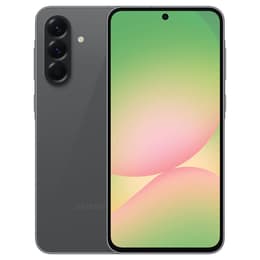
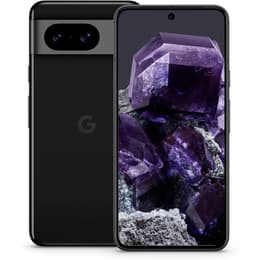


Galaxy A56 Vs Google Pixel 8

Galaxy A56
Galaxy A56
Starting at

Refurbished price:350.00

Versus €499.00 new

See options
Google Pixel 8
Google Pixel 8
Starting at

Refurbished price:264.00

Versus €819.97 new

See options

Ratings

The Samsung Galaxy A56, released in March 2025, and the Google Pixel 8, launched in October 2023, represent distinct approaches to the modern smartphone experience. While both devices operate on the Android platform, they cater to different user priorities through their hardware and software philosophies. The Galaxy A56 emphasizes a large, vibrant display and extended battery life, whereas the Pixel 8 focuses on advanced computational photography and a streamlined software experience with long-term support.

Scores

Durability

When considering the longevity of a smartphone, several factors come into play, including software support, physical durability, and repairability. The Galaxy A56 and Pixel 8 offer robust commitments to extended usability, though with slight differences.

  • Software Updates: The Google Pixel 8 stands out with an impressive commitment to seven years of both Android OS upgrades and security updates, ensuring the device remains current and secure well into the future. The Samsung Galaxy A56 also offers substantial support, with six major Android OS upgrades and seven years of security updates, providing a long operational lifespan for users. [9, 14, 21, 23, 25, 27, 28, 40, 43]
  • Physical Durability: Both devices feature durable builds designed to withstand daily use. The Galaxy A56 incorporates Gorilla Glass Victus+ on both its front and back, complemented by an aluminum frame, and carries an IP67 rating for dust and water resistance. [2, 12, 20, 21, 32] The Pixel 8 also uses Gorilla Glass Victus for its front and back glass, paired with an aluminum frame, and boasts a slightly higher IP68 rating for enhanced dust and water protection. [6, 13]
  • Practical Lifespan: Given their respective software support policies and durable construction, both the Galaxy A56 and Pixel 8 are designed for extended practical lifespans. Users can expect these devices to remain functional and receive essential updates for many years, making them suitable choices for those seeking a long-term smartphone solution.

Year of Release

2024

2023

Compatible with latest Update

Yes

Yes

OS

Android

Android

Foldable

No

No

Performance

The performance of a smartphone is crucial for daily tasks, from browsing and social media to more demanding applications and gaming. The Galaxy A56 and Pixel 8 approach performance with different hardware foundations.

  • Processing Power: The Google Pixel 8 is equipped with a processor designed for flagship-level performance, enabling it to handle demanding applications and complex multitasking with ease. This results in a consistently smooth and responsive user experience across various tasks. [3, 6, 7, 13] The Samsung Galaxy A56 features a mid-range processor that provides capable performance for everyday use, including social media, web browsing, and casual gaming. While it may not match the raw power of higher-end devices, it offers a fluid experience for the average user. [20, 41]
  • Multitasking and Storage: Both devices offer configurations with 8GB of RAM, with the Galaxy A56 also providing a 12GB RAM option, which can contribute to smoother multitasking with many applications open simultaneously. [8, 16, 33] The Pixel 8 comes with 128GB or 256GB of internal storage, while the Galaxy A56 offers similar storage options and the added flexibility of expandable storage via a microSD card in some configurations. [8, 16, 33]
  • Battery Performance: The Samsung Galaxy A56 is powered by a 5000mAh battery, which, combined with its efficient processor, often translates to extended usage times, with some users reporting nearly two days of mixed use. [1, 2, 8, 15, 38, 41] The Google Pixel 8 features a 4575mAh battery, providing reliable all-day power for most users, though heavy usage might necessitate a charge before the day ends. [5, 6, 13, 24, 39]

Memory (GB)

8 GB

8 GB

Screen quality

The display is a primary interface for any smartphone, and both the Galaxy A56 and Pixel 8 offer high-quality viewing experiences with distinct characteristics.

  • Display Technology and Clarity: Both devices feature vibrant OLED display technology, known for deep blacks and rich colors. The Samsung Galaxy A56 sports a 6.7-inch Super AMOLED display, offering a spacious viewing area with FHD+ resolution for clear and detailed visuals. [1, 2, 8, 12, 20, 26, 36] The Google Pixel 8 comes with a more compact 6.2-inch OLED display, also with FHD+ resolution, providing sharp images and a comfortable one-handed experience. [3, 6, 29, 30, 35]
  • Brightness and Smoothness: Both phones feature a 120Hz refresh rate, contributing to smooth scrolling and responsive interactions. The Galaxy A56 can reach a peak brightness of 1900 nits, with 1200 nits in high brightness mode, ensuring good visibility in various lighting conditions. [1, 2, 12, 20, 26] The Pixel 8's display can achieve up to 1400 nits in high brightness mode and a peak of 2000 nits, making it highly visible even under direct sunlight. [6, 22, 29, 30, 35]
  • Viewing Experience: The larger screen of the Galaxy A56 is well-suited for media consumption and multitasking, offering an immersive experience for videos and games. The Pixel 8's slightly smaller display provides a more manageable form factor for users who prefer a device that is easier to handle and operate with one hand, without compromising on visual quality.

Resolution

1080 x 2340

1080 x 2400

Audiovisual

Camera capabilities are a significant consideration for many smartphone users, and both the Galaxy A56 and Pixel 8 offer compelling photographic tools, albeit with different strengths.

  • Rear Camera Systems: The Samsung Galaxy A56 features a versatile triple-camera setup on the rear, including a 50-megapixel main sensor with optical image stabilization, a 12-megapixel ultrawide lens, and a 5-megapixel macro lens, providing options for various photographic scenarios. [8, 20, 33, 36, 45] The Google Pixel 8 employs a dual-camera system, consisting of a 50-megapixel main sensor with optical image stabilization and a 12-megapixel ultrawide lens with autofocus. The Pixel line is particularly renowned for its advanced computational photography, which enhances image quality and offers unique editing features. [6, 13, 30]
  • Front Camera and Video: For selfies and video calls, the Galaxy A56 is equipped with a 12-megapixel front-facing camera. [8, 20, 33, 45] The Pixel 8 features a 10.5-megapixel front camera. [6, 13] Both devices are capable of recording video in 4K resolution from both their front and rear cameras, offering good quality for content creation and video conferencing. [6, 12, 16]
  • Photography Performance: The Galaxy A56 excels in detail preservation and natural color accuracy with its primary camera, performing well in most lighting conditions. [20, 41] The Pixel 8, with its computational photography, often produces images with excellent dynamic range and consistent quality, particularly in challenging lighting, and offers features like Magic Eraser for photo editing. [30]

Front camera

13 megapixels

10.5 megapixels

Miscellaneous

Beyond the core features, several practical elements contribute to the overall user experience of a smartphone. The Galaxy A56 and Pixel 8 offer a range of connectivity, design, and sensor options.

  • Connectivity and Ports: Both devices support 5G connectivity for fast mobile data speeds, along with modern Wi-Fi standards and Bluetooth for wireless connections. [6, 8] The Galaxy A56 includes a USB Type-C port for charging and data transfer. [8] The Pixel 8 also features a USB Type-C port, specifically USB 3.2, which can offer faster data transfer speeds. [6] Neither phone includes a traditional 3.5mm headphone jack. [6, 18]
  • Design and Handling: The Samsung Galaxy A56 measures 162.2 x 77.5 x 7.4mm and weighs 198 grams, offering a substantial feel with its 6.7-inch display. [8, 20, 45] The Google Pixel 8 is more compact at 150.5 x 70.8 x 8.9 mm and weighs 187 grams, making it easier for one-handed use. [6, 13, 29] Both phones feature glass backs and aluminum frames, contributing to a premium feel. [2, 6, 12, 20, 21, 29, 32]
  • Sensors and Charging: Both devices incorporate an optical under-display fingerprint sensor for secure unlocking. [2, 26, 32, 35] The Galaxy A56 supports 45W wired fast charging, though it does not include a charger in the box or offer wireless charging. [1, 2, 8, 33, 36] The Pixel 8 supports 27W wired charging and also offers 18W wireless charging capabilities. [6, 13, 24]

Weight

197 g

187 g

Screen size (in)

6.5

6.2

Network

5G

5G

SIM card

Dual Physical SIM + eSIM

Physical SIM + eSIM

Carrier compatibility

Unlocked

Unlocked

User feedback for the Google Pixel 8 often highlights its exceptional camera performance, particularly its computational photography features, which consistently deliver high-quality images. Users also appreciate its clean Android experience and the promise of extensive software updates. Some common criticisms include battery life that, while improved over previous models, may not always last heavy users a full day without a top-up, and a processor that, while capable, might not benchmark as high as some competitors. [5, 11, 24, 39, 42]

For the Samsung Galaxy A56, users frequently praise its large, vibrant display, impressive battery longevity, and the premium feel of its design. The extended software support is also a significant positive. Some users note that while the processor is capable for everyday tasks, it may not be ideal for intensive gaming. The absence of wireless charging and the need to purchase a separate fast charger are also points of consideration. [1, 2, 15, 20, 26, 38, 41]

Users prioritizing a compact device with a top-tier camera system and the longest possible software support will find the Google Pixel 8 well-suited to their needs. Its focus on a pure Android experience and advanced image processing makes it a strong contender for photography enthusiasts. Conversely, users who value a larger display for media consumption, exceptional battery life, and a premium design will likely lean towards the Samsung Galaxy A56. Its robust build and long-term security updates also make it a practical choice for those seeking durability and sustained performance.

Both devices offer compelling features for different user profiles, and exploring quality-assured refurbished options for either model can provide an eco-friendly alternative for making an informed and sustainable choice.