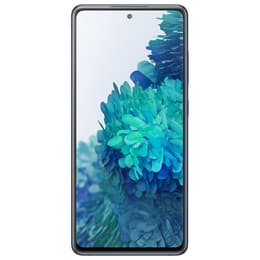
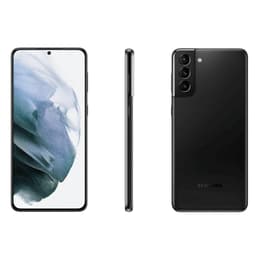


Galaxy S20 FE Vs Galaxy S21+ 5G

Galaxy S20 FE
Galaxy S20 FE
Starting at

Refurbished price:151.00

Versus €779.00 new

See options
Galaxy S21+ 5G
Galaxy S21+ 5G
Starting at

Refurbished price:200.00

Versus €1,299.99 new

See options

Ratings

The Samsung Galaxy S20 FE, released in late 2020, and the Samsung Galaxy S21+ 5G, launched in early 2021, are both Android smartphones from Samsung's flagship Galaxy S series. While the S20 FE was positioned as a 'Fan Edition' offering key flagship features, the S21+ 5G represented a more premium tier in its generation. The primary distinctions lie in their build materials, processor generations, and camera capabilities, catering to slightly different user expectations within the high-end smartphone market.

Scores

Durability

When considering the longevity of these devices, their release timelines and Samsung's software support policies are key factors.

  • Release Timeline and OS Support: The Galaxy S20 FE, initially released in October 2020 (with the 5G variant following in March 2021), received three major Android OS updates and five years of security patches, with official support concluding around October 2025. [6, 14, 25] The Galaxy S21+ 5G, launched in January 2021, benefited from Samsung's extended support policy, receiving four major Android OS updates (up to Android 15/One UI 7) and five years of security updates, with its support ending around February 2026. [12, 24, 26, 29]
  • Software Longevity: Users prioritizing the absolute latest software features and security updates for the longest possible duration will find the Galaxy S21+ 5G offers a slightly extended period of official support. However, both devices have now reached or are nearing the end of their official update cycles.
  • Repairability: The Galaxy S20 FE has a repairability score of 7.5 out of 10, indicating it is moderately repairable with some effort. [3] The Galaxy S21+ 5G is also considered repairable, though some components like the battery are securely glued, and certain repairs may require display removal. [17, 23] Both models offer a practical lifespan that can be extended through careful handling and, when necessary, professional refurbishment.

Year of Release

2020

2021

Compatible with latest Update

No

Yes

OS

Android

Android

Foldable

No

No

Performance

The performance of a smartphone is crucial for daily responsiveness and handling demanding applications.

  • Processor Capabilities: The Galaxy S20 FE is powered by a processor that handles everyday tasks, multitasking, and most applications smoothly. The 5G variant typically features a Snapdragon 865-class processor. [4, 8] The Galaxy S21+ 5G, with its newer generation processor (Snapdragon 888 or Exynos 2100 depending on region), offers a noticeable step up in raw processing power, leading to faster app loading times and more fluid performance in graphically intensive games. [1, 7, 18]
  • System Responsiveness and Multitasking: Both devices provide a responsive user experience. The Galaxy S21+ 5G's newer processor and typically 8GB of RAM contribute to slightly more efficient multitasking and sustained performance under heavy loads. [1, 7, 18] The S20 FE, often available with 6GB or 8GB of RAM, also manages multiple applications well, though heavy users might notice a difference in how quickly apps resume from the background. [2]
  • Thermal Management: Some users of the Galaxy S20 FE have reported the device getting warm during extended heavy use or gaming sessions. [31] Similarly, the Galaxy S21+ 5G, particularly the Exynos variant, has also had user reports of heating under demanding conditions. [22, 39]
  • Storage Options: The Galaxy S20 FE offers storage options of 128GB or 256GB and includes a microSD card slot for expandable storage, providing flexibility for users with large media libraries. [2, 8] The Galaxy S21+ 5G comes with 128GB or 256GB of internal storage but lacks a microSD card slot, meaning users must rely solely on the internal capacity. [1, 7, 18, 26]

Memory (GB)

6 GB

8 GB

Screen quality

The display is a primary interface, and both devices offer vibrant viewing experiences with some key differences.

  • Display Technology and Size: The Galaxy S20 FE features a 6.5-inch Super AMOLED display, providing rich colors and deep blacks. [5, 40] The Galaxy S21+ 5G steps up to a 6.7-inch Dynamic AMOLED 2X display, which offers enhanced color accuracy and brightness. [1, 7, 11]
  • Resolution and Clarity: Both phones feature a Full HD+ resolution (1080x2400 pixels), resulting in sharp visuals for everyday content consumption. [1, 2, 7] While the S20 FE's display is clear, some users noted that text might not appear as sharp as on higher-resolution flagship screens. [27]
  • Brightness and Refresh Rate: Both devices boast a 120Hz refresh rate, contributing to smoother scrolling and a more fluid user interface. [5, 7] The Galaxy S21+ 5G generally offers higher peak brightness, which can improve outdoor visibility compared to the S20 FE, where some users found outdoor readability challenging. [1, 7, 11, 27]
  • User Experience: Early models of the Galaxy S20 FE experienced some touchscreen issues, with reports of erratic touch inputs and unresponsiveness for some users. [21] The Galaxy S21+ 5G's display is protected by Corning Gorilla Glass Victus, offering enhanced durability. [7, 11]

Resolution

1080 x 2400

1080 x 2400

Screen type

Super AMOLED

Dynamic AMOLED 2X

Audiovisual

Both smartphones are equipped with versatile camera systems designed to capture a variety of moments.

  • Rear Camera System: The Galaxy S20 FE features a triple-camera setup consisting of a 12-megapixel main sensor, a 12-megapixel ultrawide lens, and an 8-megapixel telephoto lens with 3x optical zoom. [2, 9] The Galaxy S21+ 5G also has a triple-camera system, including a 12-megapixel main sensor, a 12-megapixel ultrawide lens, and a 64-megapixel telephoto lens that achieves 1.1x optical zoom and 3x hybrid zoom. [1, 11, 34]
  • Photography Performance: Both devices are capable of capturing good photos in various conditions. The S20 FE is praised for its overall camera quality, with good performance in standard and ultrawide shots. [28] The S21+ 5G generally offers sharper images and better exposure and color reproduction, particularly with its telephoto capabilities. [30]
  • Low-Light and Video Quality: Both phones perform adequately in low-light conditions, though the S21+ 5G's newer processing can offer slight improvements. For video recording, both support 4K at 60fps. The S21+ 5G is noted for better video capabilities and improved microphone quality for recordings. [28, 30, 33]
  • Front Camera: The Galaxy S20 FE comes with a 32-megapixel front camera. [2] The Galaxy S21+ 5G features a 10-megapixel front camera. [11] While the S20 FE has a higher megapixel count, some users found its front camera software applied a beauty mode that could not be fully disabled, leading to softer images. [28] The S21+ 5G's front camera is generally considered to offer better overall quality. [30]

Main camera

12 megapixels

12 megapixels

Front camera

32 megapixels

10 megapixels

Miscellaneous

Beyond core features, several practical elements contribute to the overall user experience.

  • Connectivity Options: Both the Galaxy S20 FE and the Galaxy S21+ 5G support 5G connectivity, along with modern Wi-Fi standards and Bluetooth. The S21+ 5G also includes Ultra Wideband (UWB) support, which can enable more precise location tracking and device-to-device communication. [1, 7, 16]
  • Port Types and Sensors: Both devices feature a USB-C port for charging and data transfer. Neither includes a traditional 3.5mm headphone jack. For biometric security, both offer in-display fingerprint sensors and face recognition. The S21+ 5G's fingerprint sensor is noted for being larger and more responsive than its predecessor. [2, 7, 33]
  • Build Materials and Durability: The Galaxy S20 FE features a plastic back, which some users found less premium than glass, though it can be more resistant to shattering. [28] The Galaxy S21+ 5G utilizes a glass back (Gorilla Glass Victus) and an aluminum frame, offering a more premium feel and enhanced scratch resistance. [1, 7] Both phones carry an IP68 rating for dust and water resistance, providing protection against immersion in water. [1, 2, 7, 8, 11]
  • Weight and Dimensions: The Galaxy S20 FE measures 159.8 x 74.5 x 8.4mm and weighs 190 grams. [2] The Galaxy S21+ 5G is slightly larger and heavier at 161.5 x 75.6 x 7.8mm and 200 grams. [1, 7, 11] These differences can impact one-handed use and pocketability.

Weight

190 g

200 g

Screen size (in)

6.5

6.7

Network

4G

5G

SIM card

Dual Physical SIM

Dual Physical SIM + eSIM

Carrier compatibility

Unlocked

Unlocked

The Samsung Galaxy S20 FE and Galaxy S21+ 5G, while from consecutive generations, offer distinct propositions for users. Common praise for the S20 FE often highlights its strong performance for its segment and capable camera system, making it a well-rounded device. [27, 20] However, some users reported touchscreen issues and concerns about battery drain when utilizing the 120Hz display and 5G connectivity. [21, 20]

The Galaxy S21+ 5G is frequently lauded for its more refined design, vibrant Dynamic AMOLED 2X display, and generally improved performance. [39] User criticisms sometimes point to heating under heavy use, particularly with certain processor variants, and some reported notification or camera bugs. [22, 38]

Users prioritizing a slightly more modern design, a brighter display, and a newer generation processor for demanding tasks may find the Galaxy S21+ 5G better suited to their needs. Its extended software support also offers a marginal advantage in terms of longevity. Conversely, users who value expandable storage, a slightly more compact form factor, and a device that still delivers solid performance for everyday use might lean towards the Galaxy S20 FE. Both devices represent capable Android smartphones that can continue to serve users well, especially as quality-assured refurbished options, providing an eco-friendly alternative for those seeking reliable technology.


See all articles

Our recent comparisons






